


 Shkruar nga Pamfleti
US and Ukrainian negotiators have agreed on an "updated and refined peace framework" and plan to continue "intensive" work on a peace plan in the coming days, the countries announced on Sunday.
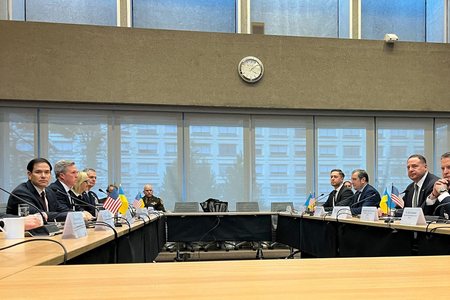
A joint statement said talks on a US-backed plan in Geneva had been "very productive".
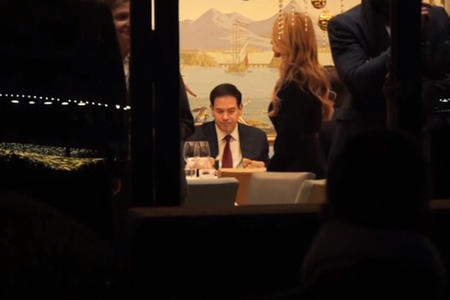
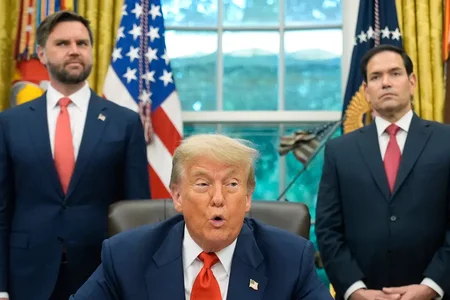
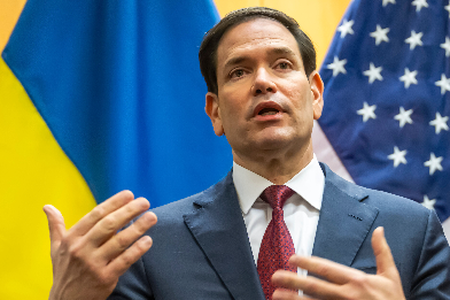
US Secretary of State Marco Rubio said there had been a "tremendous amount of progress" in perfecting a plan, which has been welcomed cautiously by Russia but not by leaders in Kiev and Europe, who see it as too favorable to the Kremlin.
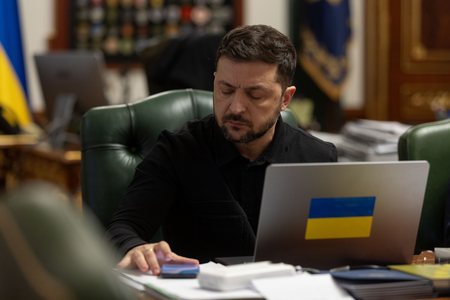
Rubio said there was "still work to be done," while Ukrainian President Volodymyr Zelensky said there were "signs that President Donald Trump's team is listening to us."
Speaking to reporters late Sunday, Rubio said the negotiating teams in Geneva had had a "very good day."
He said the main aim had been to try to narrow the "open points" from the US 28-point plan and that the parties involved had achieved this to a "considerable extent".
However, the top US diplomat said that any final agreement would need to be approved by the presidents of Ukraine and the US before being presented to Russia and that there were still some issues being negotiated.
Positive reports of the meeting came hours after Trump accused Ukraine's leaders of showing "zero gratitude" for US efforts to end the Russia-Ukraine war.
The US president also pointed out that Europe, where Kiev has some of its most loyal allies, is continuing to buy oil from Russia. Moscow relies heavily on its oil and gas exports to continue financing its war in Ukraine.
Several media outlets reported seeing an alternative plan to end the war, drawn up by Kiev's European allies, led by the UK, France and Germany. The BBC has not seen the document and Rubio denied any knowledge of its existence.
While the draft of the US-backed plan has not been published in full, important details have leaked in recent days.
The controversial provisions include Ukraine's agreement to withdraw troops from parts of the eastern Donetsk region that it currently controls, and international recognition of Russian de facto control of Donetsk, the neighboring Luhansk region and the southern Crimean peninsula, which was annexed by Russia in 2014.
The plan also includes freezing the borders of Ukraine's southern Kherson and Zaporizhia regions along the current battle lines, and would see Ukraine agree to limit the size of its army to 600,000 people, from around 880,000 now.
The draft essentially includes a promise that Ukraine will not seek NATO membership. Instead, Kiev would receive "reliable security guarantees," details of which are not provided.
The document says it is "expected" that Russia will not invade its neighbors and that NATO will not expand further.
The draft also suggests that Russia will be "reintegrated into the global economy," through the lifting of sanctions and inviting Russia to rejoin the G7 group of the world's most powerful countries - making it the G8 again.
Trump previously gave Ukraine until next Thursday to agree to the proposals, although he later said the draft did not constitute a "final offer" after Ukraine's allies expressed their concerns.
And Rubio told reporters Sunday that he was "very optimistic that we'll get it done in a very reasonable period of time very soon," whether it's Thursday, the next few days or Monday of the following week.
Before the talks began in Geneva, Rubio and the State Department insisted that the widely publicized plan was designed by the US.
This came after a bipartisan group of US senators claimed that the Secretary of State had told them that the draft was a Russian proposal and did not represent the position of the Trump administration.
Rubio rejected the statement and said it was written by the US with "input" from Moscow and Kiev, while a State Department spokesman described the senators' account of their conversation with Rubio as "completely false."


Lini një Përgjigje