


 Shkruar nga Pamfleti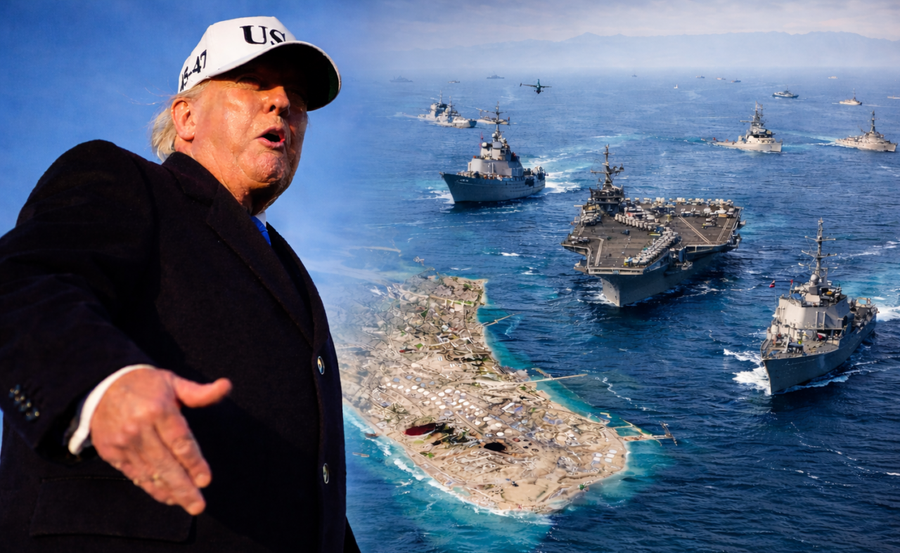
Trump's history of unpredictable moves, Iran's negotiating tactics, and precedents where talks have served as cover for military action all raise skepticism about a quick solution.
US President Donald Trump's decision to withdraw the threat to destroy Iran's energy infrastructure came after strong warnings from US allies and Gulf countries, who in private communications stressed the risks of such an escalation, Bloomberg reports, citing informed sources.
Trump said on Monday that he was giving Iran a five-day deadline before taking action, citing new contacts with Tehran that he said could lead to a deal and an end to the conflict.
However, according to Bloomberg, this decision was made in a climate of deep concern among US partners, who warned that the war was sliding into a destructive phase. Regional officials stressed that permanent damage to Iranian infrastructure would significantly increase the likelihood that the country would end up as a failed state after the conflict.
Trump's withdrawal coincides with another of his priorities: calming markets. The announcement of the five-day suspension and opening for talks came just before the US markets opened, sending Brent crude oil prices lower and the S&P 500 index and US bond yields higher.
“Trump needed a way to back away from a threat that would lead to a new escalation, this time to civilian energy infrastructure, which could be considered a war crime,” said Dana Stroul, a former Pentagon official for the Middle East. “It’s no coincidence that the announcement of the five-day pause and talks came just before the opening of U.S. markets.”
According to diplomatic sources cited by Bloomberg, countries such as Egypt, Turkey and Pakistan are acting as mediators between the US and Iran, while it remains unclear whether direct negotiations are taking place.
Trump said Iranian representatives have contacted the United States to begin talks, following threats to strike energy facilities. “We’ve been negotiating for a long time, but this time they’re serious, and that’s because of the extraordinary work of our military,” he said.
He added that the talks have included an Iranian official, his son-in-law Jared Kushner and adviser Steve Witkoff, claiming that Tehran is willing to hand over nuclear material and not restart its program, a claim that has not been confirmed by the Iranian side.
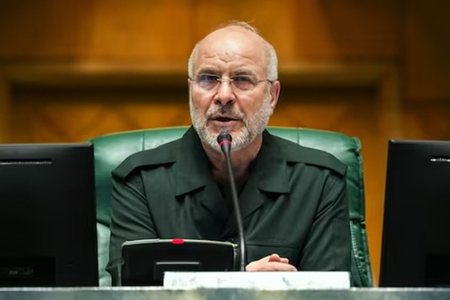
Iran's Foreign Ministry immediately denied these claims, while the speaker of the Iranian parliament described Trump's statements as "fake news" intended to influence markets.
Bloomberg points out that European allies are particularly concerned about a prolonged conflict, which could divert resources and attention from the war in Ukraine, while Gulf countries have warned of retaliation if their energy interests are affected.
Trump himself acknowledged the economic dimension of the decision, stating that "the price of oil will drop significantly once a deal is reached."
However, according to Bloomberg analysis, serious questions remain about the sustainability of this course. Trump's history of unpredictable moves, Iran's negotiating tactics, and precedents where talks have served as cover for military action raise skepticism about a quick solution.
Tehran's swift response and claims of "victory" also deepen the uncertainty. The semi-official Fars news agency reported that Trump's withdrawal was linked to fears of possible attacks on energy infrastructure across West Asia.
Analysts warn that the pause could also strengthen Iran's strategy . "This could reinforce the belief in Tehran that through threats, particularly to energy infrastructure, it can force the US to withdraw," said Jonathan Panikoff.
Meanwhile, it remains unclear whether the US will completely stop striking military targets during this period, while Israel continues its operations, avoiding energy facilities.
Although Israel was informed in advance of Trump's decision, the continuation of operations shows that there is still no imminent prospect of ending the war.
At the same time, countries like Turkey, Saudi Arabia, and Oman are intensifying diplomatic efforts to reduce tensions, while Gulf states have toughened warnings against Iran, stressing that they will react if their interests are affected.
Trump's decision reflects a fluctuating strategy: within a few days he has signaled escalation, the possibility of ground operations, de-escalation, and then a new ultimatum.
In conclusion, according to Bloomberg, the situation remains deeply unstable, where diplomacy, military action and market reactions intertwine in a fragile balance.






Lini një Përgjigje