


 Shkruar nga Pamfleti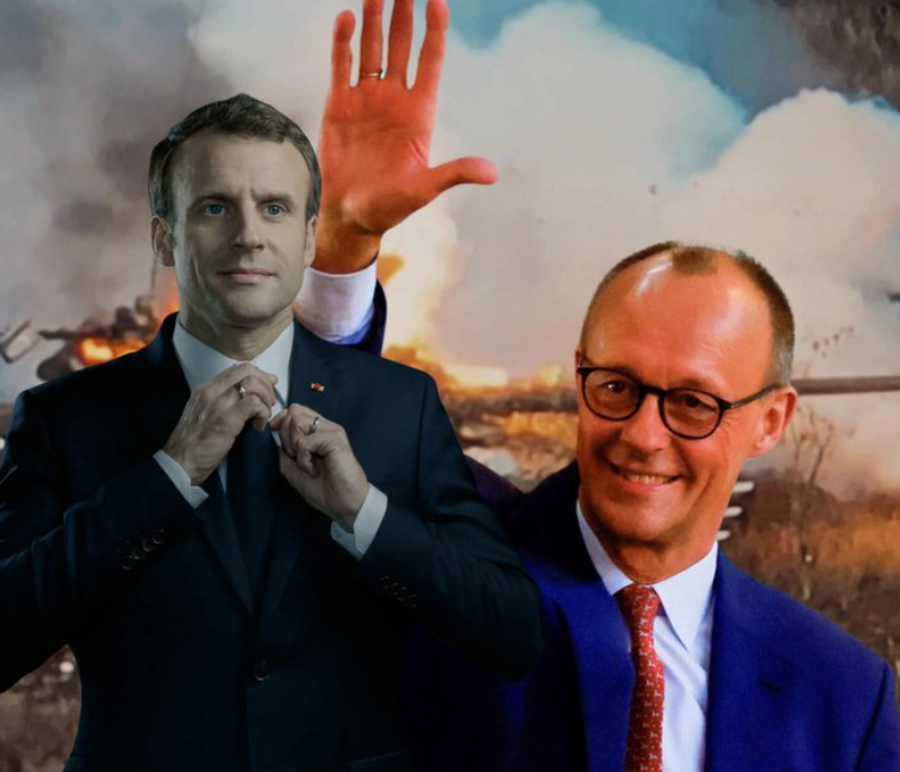
Vladimir Putin had failed in three years of massacres and ruthless aggression in Ukraine. Donald Trump needed only five weeks of ultimatums and strong statements to shake Europe out of its inertia, forcing it to change radically.
The blows of friends are the most painful, but sometimes they can also work miracles, at least considering the diplomatic activism and the rush to make decisions and proposals that has been setting Europe in motion for several days, on the wave of an unprecedented desire for existential rebirth and rebirth.
The metamorphosis has just begun, at the summit of 27 countries gathered yesterday in Brussels, but the revolutionary impulses are incredible.
Germany under incoming Chancellor Friedrich Merz has cut corners, with the same brutality as Trump, by ending the country's historic Atlanticism and opting for European independence. He has taken action even before he officially takes office: announcing a modification of the debt ceiling to invest 500 billion in rebuilding German defense and infrastructure.
Merz's Euro-independence movement allows him to recover the Franco-German axis, in full accordance with the staunch autonomism of Emmanuel Macron's France, which, in another unprecedented gesture, puts French nuclear deterrence at the service of European defense, although always under the direct control of Paris.
Meanwhile, the summit of the 27 countries accepts Ursula von der Leyen's 800 billion euro RearmEurope plan, where 150 billion are loans raised with the guarantee of the EU budget, foresees another 350 billion from unspent cohesion funds, targets the resources of the European Investment Bank and the Capital Market Union to keep within the EU the 300 billion of savings that each year go to the United States, leaving open for the future the options for the European Stability Mechanism and common debt.
Europe is preparing to move off the community tracks to pursue a more flexible, diverse and modern integration.
And so, another revolution: European defense, rather than a 27-nation project, is being built on a coalition of the willing among the EU and NATO countries with the strongest military capabilities and cultures. This includes the UK, Norway, and Canada, as well as close synergies with Turkey and Ukraine itself, which, together with Turkey, maintain the two most powerful and operational militaries and military industries in Europe.
A European mini-NATO, which is hoped to be supported by American guarantees. Because the great rush has begun to secure Kiev, that is, Europe itself, and its volunteers know that today, and in the near future, they alone can guarantee very little./Bota.al


Lini një Përgjigje