


 Shkruar nga Paolo Garimberti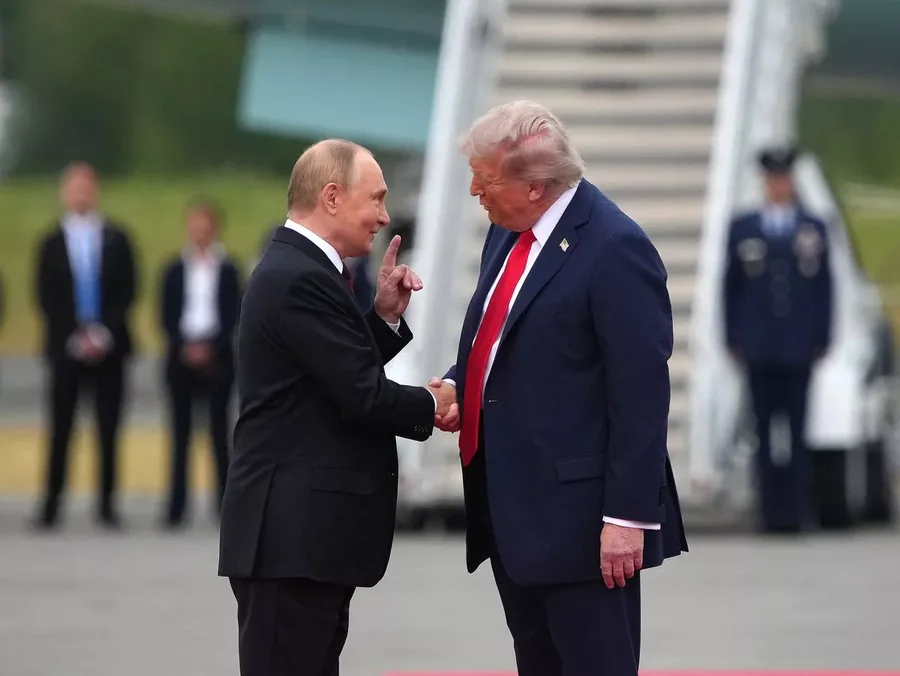
Now the American president seems to be in a state of revenge...
Donald Trump is on an unexpected journey. He continues to oscillate between his fatal attraction to Putin, his apparent dislike of Zelensky, and his frustration at feeling mocked by the czar every time he thinks he has convinced him.
Now the US president seems to be in a state of revenge. The "terrible sanctions" against Rosneft and Lukoil, the two Russian oil giants, to "degrade the sources of financing for the war machine", as Treasury Secretary Scott Bessent put it, are the first reprisals of the Trump administration against the Kremlin. Not even Joe Biden had gone that far: he had always avoided targeting Rosneft and Lukoil for fear of raising energy market prices. Trump's change comes after the cancellation of the summit with Putin in Budapest, announced last week as imminent after the phone call between the two, which preceded the rather tense meeting with Zelensky at the White House.
This time, the American president avoided a repeat of the Anchorage disaster, when the czar returned the tycoon's triumphant welcome with a barrage of missiles and drones in Ukraine.
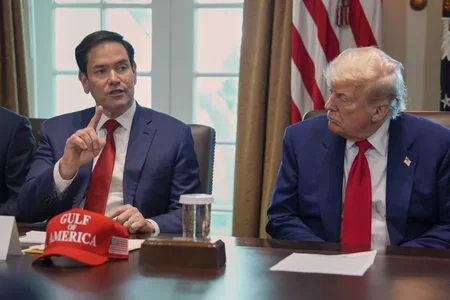
The reason for the change lies in the preparation. Anchorage was amateurishly prepared by Steve Witkoff, the real estate developer turned diplomat who, in his repeated visits to the Kremlin, had shown excessive deference to Putin. For Budapest, the preparation was entrusted to Secretary of State Marco Rubio, who has a strong background in international politics, honed during years of service on the Senate Foreign Relations Committee, and has never shown much sympathy for Putin.
Rubio, in preliminary calls with Sergei Lavrov, a veteran of Russian diplomacy, understood that Budapest risked becoming another trap. Rubio called Lavrov’s proposals “maximalist”: Putin wants a lot, even parts of Donbas that have not yet been occupied, in exchange for very little. The question now is how long Trump will remain in this state, obsessed as he is with the Nobel Peace Prize. Until the next call from Putin? Putin uses honey with him, while showing his teeth on the ground: two days ago, he ordered exercises by the Russian strategic nuclear forces and continues to bomb energy targets, as well as civilians in Ukraine.
Europe, which has launched its nineteenth package of sanctions and gathered its heads of state and government together in Brussels to discuss Ukraine with Zelensky, may have an impact on Trump’s poor mood. But, as usual, the EU is not united, arguing over everything, including the use of frozen Russian sovereign assets, which would be essential to help Ukraine resist. And the twelve-point plan to end the war seems unrealistic, even if it contains one proposal that could irritate Trump’s egocentrism: the chairmanship of the Peace Committee.
If the West manages to come together again, while maintaining the course of the latest sanctions, Putin could face an unprecedented “Time of Troubles.” The wartime economy is beginning to show its cracks, which even Kremlin propaganda cannot fully hide.
One symptom is the coal crisis, as Putin himself acknowledged at a recent conference. Although they represent only 1 percent of GDP, coal mines are a critical resource for several regions. Since the war began, 23 of them have closed and 53 are at risk. In 1989, the massive miners’ strike heralded the collapse of the USSR, and in 1998, miners throwing their helmets on the pavement symbolized the worst economic crisis in modern Russia. And Putin knows this well, because it was precisely because of that crisis, two years later, that he rose to power, replacing Yeltsin. / Adapted from “Pamphlet” by “La Repubblicca”


Lini një Përgjigje