


 Shkruar nga Pamfleti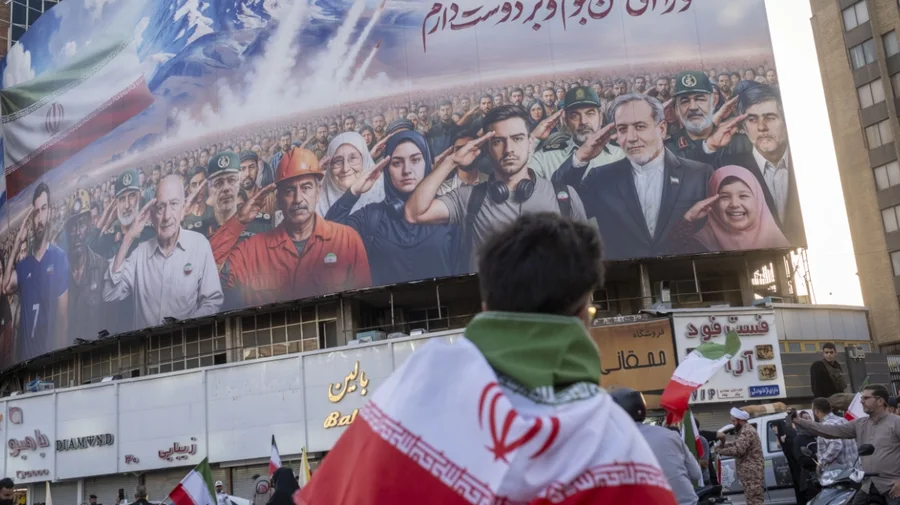
Donald Trump is betting on two key assumptions: that US bombing destroyed Iranian nuclear facilities and that Tehran will not retaliate. If that is not proven, the Middle East could spiral into an uncontrollable crisis.
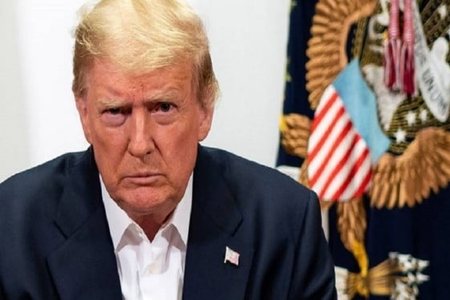
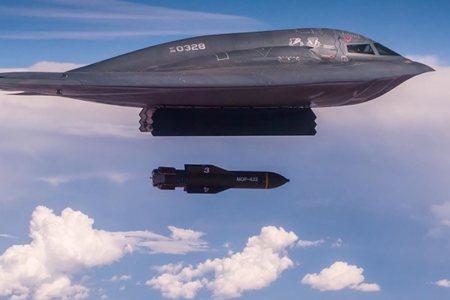
In a late statement from the White House and a post on Truth Social that began with the phrase "Ford is no more," US President Donald Trump confirmed the most dramatic American attack in the Middle East in recent years: the bombing of three Iranian nuclear facilities - at Fordow, Natanz and Isfahan, by stealth B-2 bombers with bunker-busting bombs.
Washington claims to have achieved "complete success", while Iran speaks of "superficial damage" and announces a response "at a time and place of its own choosing". At the same time, Israel applauds and strengthens security measures, while the international community from the UN to Europe calls for escalation, with the clock counting down to a second attack.
Within this geopolitical context, Sky News' analysis tries to shed light on the possible paths that are opening up: what are the scenarios for tomorrow and what Trump really wants with this unexpected action.
The US president made his move. He took a huge risk and it is based on the accuracy of two main assumptions:
1. That the air strikes actually destroyed Iranian nuclear facilities.
Despite the US president's claims that the targets were "completely neutralized", US military officials have repeatedly stressed that the complete destruction of the Iranian nuclear program is extremely difficult.
The most realistic expectation from such attacks is a temporary delay in uranium enrichment activities, not their ultimate elimination.
2. That Iran will not respond decisively.
The second assumption is even more dangerous. Trump is betting that Tehran either does not have the ability or will not dare to strike American bases or disrupt international shipping.
He hopes that more moderate voices in the Iranian regime will see reality and choose diplomacy, recognizing their defeat.
In his address to the nation, Trump referred to the execution of Iranian General Qasem Soleimani in 2020. At the time, although everyone expected a harsh response, Iran limited itself to limited actions.
The White House leadership believes that the current situation could be repeated, that there will be no harsh response.
Two scenarios after the attack
Sky News describes two possible outcomes of the situation:
Optimistic scenario: Iran does not respond immediately and substantially, its nuclear plans are significantly delayed and Trump emerges as the leader who "restored order" in the Middle East without long-term involvement.
Negative scenario: Even if there is only one attack on a US base with human losses, the crisis will escalate uncontrollably. The dynamics of the conflict will change and the risk of a full-scale war will be imminent.
The internal political dimension
Recall that Trump was elected with the slogan of avoiding new wars. Now, he is re-entering the Middle East and with the upcoming elections.
He is betting that his voters will support this "strategy". That is why in his special speech he stood alongside the secretaries of state and defense and his vice president, he does not want to bear the risk alone. The
question now is: will Iran "swallow" the insult or will it respond in a way that will change the course of history in the Middle East? / Adapted "Pamphlet" from "Protothema"


Lini një Përgjigje