


 Shkruar nga Pamfleti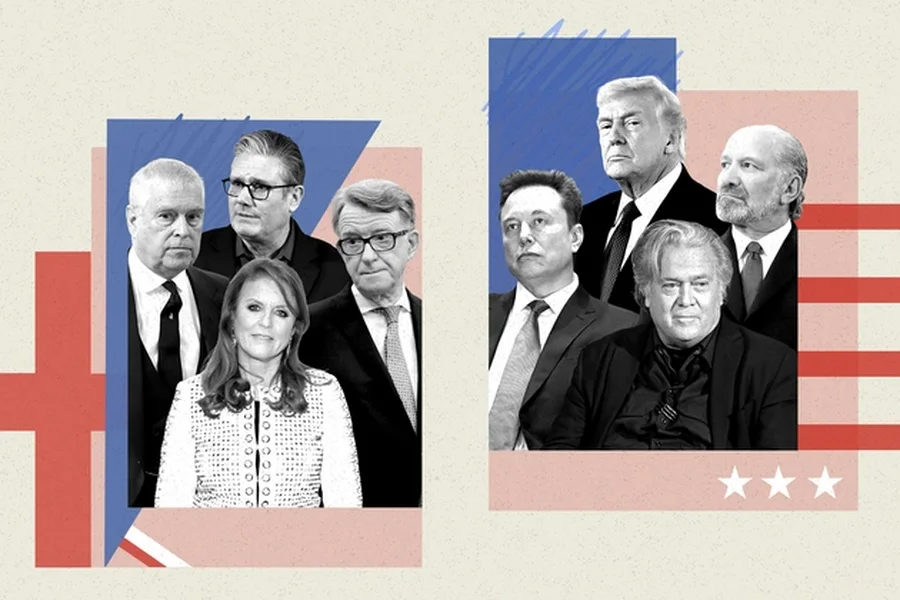
While Europe is grappling with the consequences and moral responsibility of the Epstein connections, in the United States the lack of political accountability is becoming increasingly apparent.
New revelations about the connections of political and economic elites to Jeffrey Epstein have brought visible consequences in several European countries, while in the United States the institutional and political response remains limited.
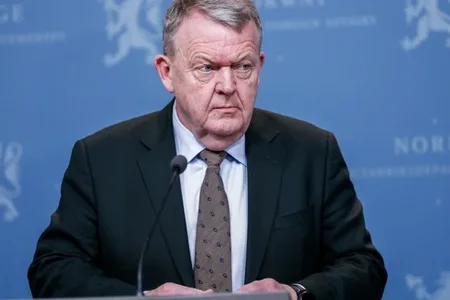
In Norway, a senior diplomat has been suspended and police are investigating a former prime minister. In the United Kingdom, the former ambassador to the US has been sacked and resigned from the House of Lords; police are investigating allegations that he shared sensitive market information with Epstein. Andrew Mountbatten-Windsor, formerly known as Prince Andrew, has been stripped of his royal titles and residence, while a charitable foundation set up by his ex-wife, Sarah Ferguson, has suspended its activities after the publication of emails in which she praised Epstein.
While the European political class is struggling to cope with the consequences of these connections, the contrast with the United States is stark. No high-ranking American politician has resigned, and the consequences have been largely limited to reputational damage.
In Britain, the appointment of former ambassador Peter Mandelson, who has admitted he made a mistake by maintaining ties to Epstein after his conviction, has become a political burden for Prime Minister Keir Starmer. Although Starmer has never met Epstein, he has publicly apologized to the victims, admitting the mistake in the appointment.
In the US, the Republican Party and former President Donald Trump have evaded political responsibility for documented ties to Epstein. Trump has denied any wrongdoing and said his relationship with Epstein ended years ago. There is no evidence linking him to Epstein's criminal network.
Other figures in the US administration, such as Commerce Secretary Howard Lutnick, have remained in office despite the release of documents suggesting closer ties than previously reported. Similarly, leaders of financial and academic institutions have maintained their positions, expressing only public regret for their acquaintance with Epstein.
Critics say the lukewarm response reflects a decline in public accountability standards in the US, linked to political polarization and a culture of impunity during the Trump era. Norm Eisen, a former US ambassador and critic of the Trump administration, says that “those who should be ashamed are retreating and waiting for the storm to pass.”
However, some American figures have withdrawn from public life, including former Treasury Secretary Larry Summers and heads of cultural institutions. For many other well-known names, the consequences have remained largely at the image level.
Elon Musk has stressed that the crux of the matter is not the release of documents, but the prosecution of those who committed crimes. "Without arrests, this remains a show without real justice," he wrote.
According to Rufus Gifford, former US ambassador to Denmark, the main question for American society is why the reaction is not the same as the European one and whether this double standard existed even before Donald Trump. / Adapted from "Politico"




Lini një Përgjigje