


 Shkruar nga Rachel Siegel & Aaron Schaffer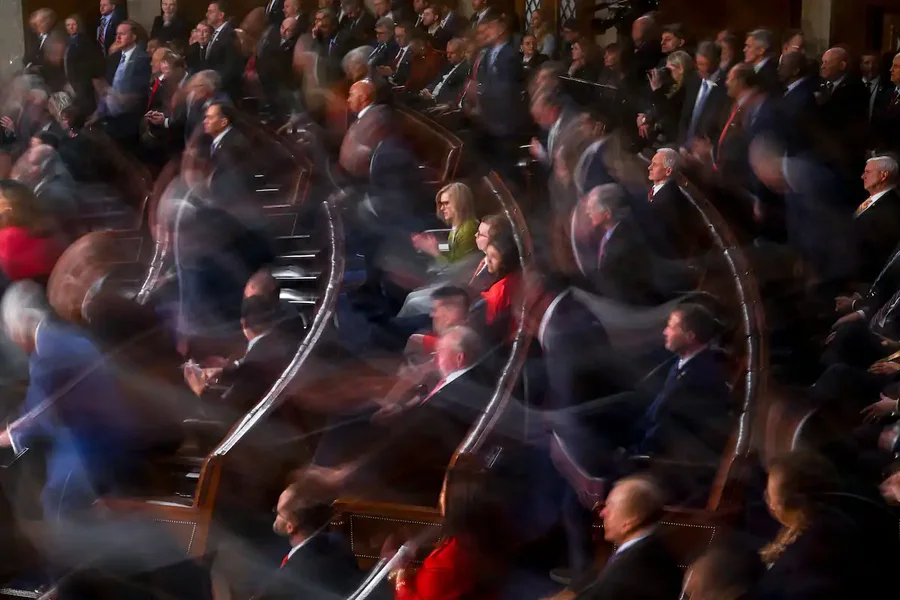
Trump administration officials have used personal mortgage files to attack White House opponents...
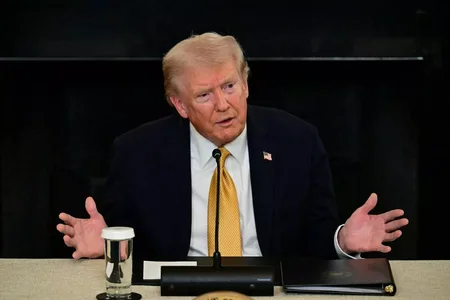
President Donald Trump's administration is using personal mortgage records to investigate, criminally prosecute and indict "enemies" for fraud, focusing on people who appear to claim multiple homes as primary residences.
The tactic could pose a particular threat in Washington, where dozens of lawmakers and other political figures also report having mortgages on more than one home.
The underlying documents don’t always show information that distinguishes errors in the documents from intentional fraud. The three Trump opponents facing investigations for alleged fraud are New York Attorney General Letitia James, Sen. Adam Schiff (D-Calif.) and Federal Reserve Governor Lisa Cook. They have denied any wrongdoing. But they are under pressure: James is scheduled to appear Friday in federal court in Norfolk, after being indicted by the Justice Department this month. Trump is still trying to remove Cook from the Federal Reserve board.
The types of files that Trump allies have used to promote their allegations could draw more attention to powerful figures across the capital.
At least 41 members of the House of Representatives, 29 Democrats and 12 Republicans, included multiple mortgages in their most recent annual financial disclosure reports, according to an analysis of publicly available documents by the Washington Post.
At least 26 senators, 16 Republicans and 10 Democrats, disclosed multiple mortgages in their filings.
The Post’s analysis did not examine the lawmakers’ specific mortgage documents, which can include details about whether the properties will be used as primary homes, rental properties or vacation homes. The Post’s review also found no violations, as public records often do not include key information about borrowers’ intentions or their correspondence with lenders, putting everyone on the same page.
However, the findings highlight the unusual nature of using documents as a basis for fraud.
Kathleen Engel, who focuses on mortgage regulation at Suffolk University, said the fact that so many powerful people hold multiple mortgages raises questions about how Trump “chooses the people he’s going to target and the people he’s going to bless.”
Prominent officials directly involved in the administration's fraud investigations also point to numerous mortgages in public records.
Në qershor të vitit 2020, Todd Blanche, zëvendësprokurori i përgjithshëm, të cilit zyrtarët e strehimit i dërguan kallëzimin penal të James, mori një kredi hipotekare 30-vjeçare prej 141,550 dollarësh për një shtëpi në Maryland me të birin. Muajin pasardhës, Blanche gjithashtu modifikoi një kredi prej më shumë se 400,000 dollarësh për shtëpinë e tij në New York. Bazuar në dokumentet në dispozicion, asnjëra prej shtëpive nuk ishte specifikuar si shtëpi e dytë apo lloje të tjera pronash.
Kjo duket se i bën dokumentet të ngjashme me ato që Shtëpia e Bardhë ka përdorur kundër kundërshtarëve të saj. Por zyrtarët e administratës thonë se të dhënat publike të Blanche nuk përmbajnë kontekst të rëndësishëm.
Në një deklaratë, zëdhënësja e Departamentit të Drejtësisë, Natalie Baldassarre, tha se Blanche “kishte një hipotekë për banesën e tij të vetme përpara se shtëpia të shitej. Ashtu si shumë prindër, z. Blanche gjithashtu bashkë-nënshkroi hipotekën e të birit për ta ndihmuar atë në blerjen e shtëpisë së tij, diçka që u zbulua në kohën kur hipoteka u sigurua dhe në Senat në fillim të këtij viti.
Hetime të shumta janë nxitur nga Bill Pulte, kreu i Agjencisë Federale të Financimit të Strehimit. Pulte i ka kthyer mashtrimet me kreditë hipotekare si pjesë qendrore të punës të tij. Ai i pohoi Bloomberg Television se "nëse është një republikan që po kryen mashtrim me kreditë hipotekare, ne do ta shqyrtojmë. Nëse është një demokrat, ne do ta shqyrtojmë. Nëse është një politikan i pasur apo një avokat, ne do ta shqyrtojmë".
Kur u pyet për përhapjen e hipotekave të shumëfishta midis anëtarëve të Kongresit, zëdhënësi i FHFA-së, Tallman Johnson, tha në një deklaratë se “nëse Washington Post zotëron prova për mashtrim hipotekor, ne i kërkojmë Post-it që ta ndajë menjëherë mashtrimin me autoritetet, në vend që ta fshehë atë për qëllime argëtimi”.
Shtëpia e Bardhë nuk iu përgjigj kërkesës për koment.
Demokratë të shquar e kanë akuzuar Pulte për abuzim me rolin e tij në hetimet për mashtrim me kreditë hipotekare dhe për përqendrimin e vëmendjes te armiqtë e Trump, veçanërisht ndërsa disa republikanë të njohur kanë listuar gjithashtu disa shtëpi si banesa kryesore.
Raportimet nga ProPublica treguan se të paktën 3 nga anëtarët e kabinetit të Trump i quajnë disa shtëpi rezidencat e tyre kryesore me kredi hipotekare.
Elita e Uashingtonit mund të ketë më shumë gjasa të ketë shtëpi të shumëfishta sesa të tjerët, thonë ekspertët. Anëtarët e kabinetit ose të emëruarit politikë mund të banojnë në kryeqytet vetëm për disa vite në të njëjtën kohë. Ligjvënësit fluturojnë rregullisht për dhe nga distriktet e tyre të origjinës.
For example, Schiff sent a letter to Quicken Loans, the lender on his Maryland home, confirming that California was his primary legal residence and that he paid taxes in the state, The Post previously reported. In that letter, Schiff also noted that Quicken’s lawyers and the House Administration Committee had told him that, since his family lived in Maryland for most of the year, his home there could also be considered a primary residence for insurance underwriting purposes.
Patricia McCoy, an expert on financial regulation at Boston College School of Law, said Washington's unique obligations could make someone more likely to take out a loan.
"Federal salaries are attractive, but you don't get rich on a federal salary," McCoy said, adding, "if a person is not independently wealthy, then they are going to be under some financial pressure."
Beyond Washington, about 1.18 million second homes nationwide were purchased with mortgages from 2018 to 2023, according to research from the Pew Charitable Trusts that analyzed Home Mortgage Disclosure Act data. Second-home purchases peaked at 261,000 in 2021, but have since fallen to 88,000 in 2024.
However, properties owned by regulators, lawmakers and other powerful middlemen in Washington can attract disproportionate scrutiny. Dylan Hedtler-Gaudette, acting vice president for policy and government affairs at the Project on Government Oversight, said public documents are being used as “additional pressure points that can be used to manipulate people.” /Adapted from the Washington Post/







Lini një Përgjigje