


 Shkruar nga Pamfleti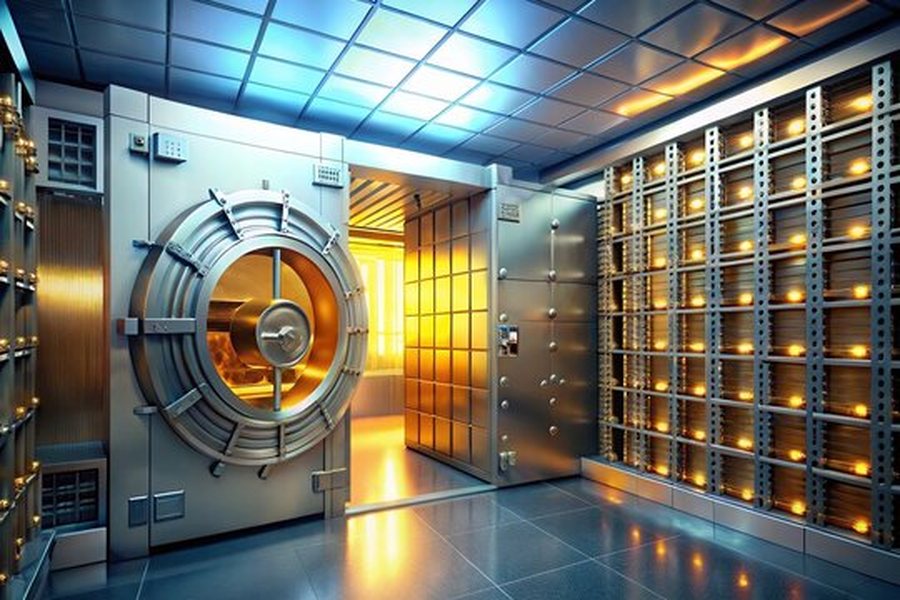
Holds 4,500 tons of gold, the myths and mysteries surrounding Fort Knox...
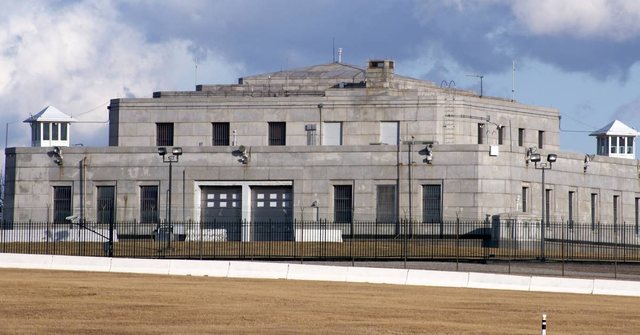
In the heart of Kentucky, behind the armored doors of Fort Knox, lies one of the most secure and mythologized vaults of global wealth. But in 2025, what was once considered a bastion of gold and international trust is increasingly seen as a symbol of an era that is ending.
Germany has been demanding the return of its gold stored in the United States for years. Italy, until now silent, is reopening the debate in a low voice, but one that is sounding louder and louder, according to the "Corriere Della Sera". In 2019, Giorgia Meloni herself, then in opposition, shared on Facebook the clear call: "Rimpatriare subito l'oro italiano!" (Return Italian gold to the homeland immediately!). Now that she is prime minister and a declared ally of Washington, she no longer repeats it publicly, but the geopolitical atmosphere makes the question inevitable: is America safer for our reserves?

Why is Europe pulling gold from the US?
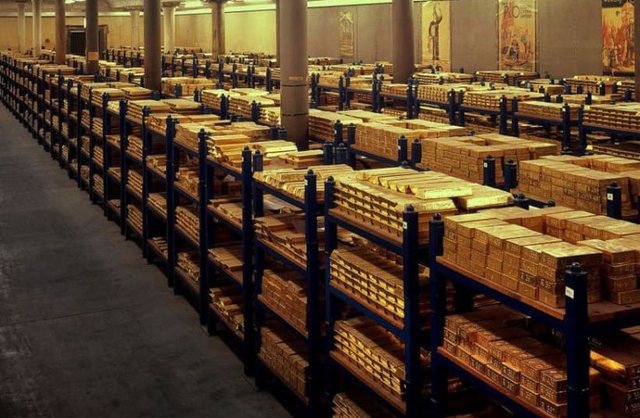
In the vaults of the Federal Reserve in New York, there are over $245 billion in gold belonging to countries like Germany and Italy. Berlin stores a third of its reserves there (the second largest in the world after the US), while Italy has almost half of its treasury.
This once-faithful trust in the Federal Reserve has waned. Not just because of geopolitical tensions, but also because of the unpredictable monetary policies of Donald Trump. Threats to the Fed's independence, attacks on the institution, and tensions with financial elites are making the idea that Europe's gold should be held by America increasingly questionable.

Fort Knox: myth, reality and mystery
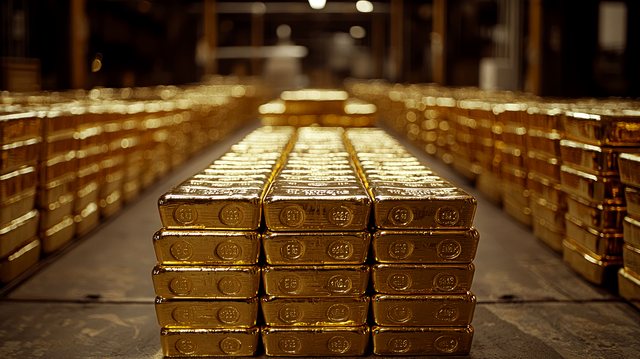
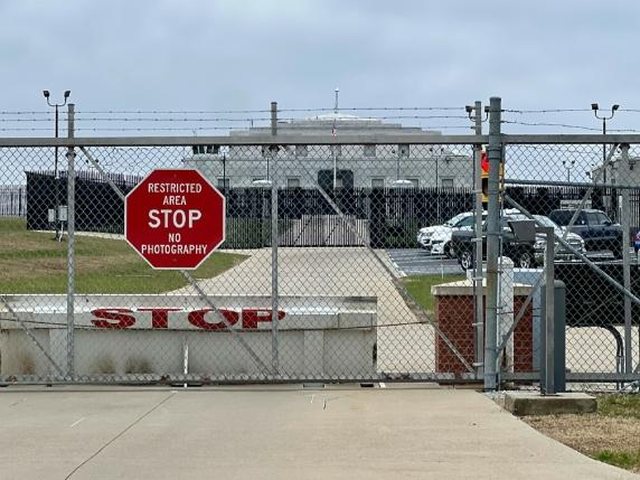
Fort Knox, unlike the Federal Reserve, is an armored military base that houses over 4,500 tons of gold, wealth that theoretically belongs to the United States. The location is so secure that even American presidents have rarely entered it. According to some reports, the steel door that protects the treasury weighs over 20 tons and cannot be opened without the presence of a group of officials who each know only part of the code.

But the mystery surrounding Fort Knox stems from a lack of transparency. No one has ever independently confirmed the exact amount of gold. That has fueled suspicions and conspiracy theories, but it is also recently raising legitimate political concerns: Is the gold our countries hold in the U.S. really safe? And if not, could it turn into a global crisis in time?
Return of gold, a matter of sovereignty
Germany began partially restoring its reserves in 2013, recovering over 300 tons of gold from New York and Paris. The process was done quietly and gradually. Today, Berlin no longer blindly trusts American guarantees and aims to have more direct control over the national reserves.

Italy, with 2,452 tons of gold, is the third largest country in the world in terms of quantity, but currently has no clear strategy for returning it. Meloni's silence on the issue is political, but not necessarily strategic. If the world plunges into a major conflict, such as the rumored US-Iran conflict or a crisis in Taiwan, the security of that wealth becomes not only a financial issue, but also a geopolitical one.
Political reactions in Europe
Demands for Germany and Italy to repatriate gold have increased, fueled by concerns raised by Fabio De Masi, a former MEP for the German left-wing party Die Linke and now a member of the far-left BSW party. De Masi has stressed that there are “strong arguments” in favor of returning the reserves, considering the issue as a topic related to national security and monetary sovereignty.
"Gold is a strategic resource and must be preserved with the utmost care, especially in a period of growing geopolitical uncertainty," declared the Italian-German politician, son of a CGIL unionist and grandson of a partisan.
Even Michael Jäger, president of the European Taxpayers Association, has raised concerns in this regard:
"We are very concerned that Trump could interfere with the independence of the Federal Reserve." / Prepared by "Pamphlet"








Lini një Përgjigje