


 Shkruar nga Pamfleti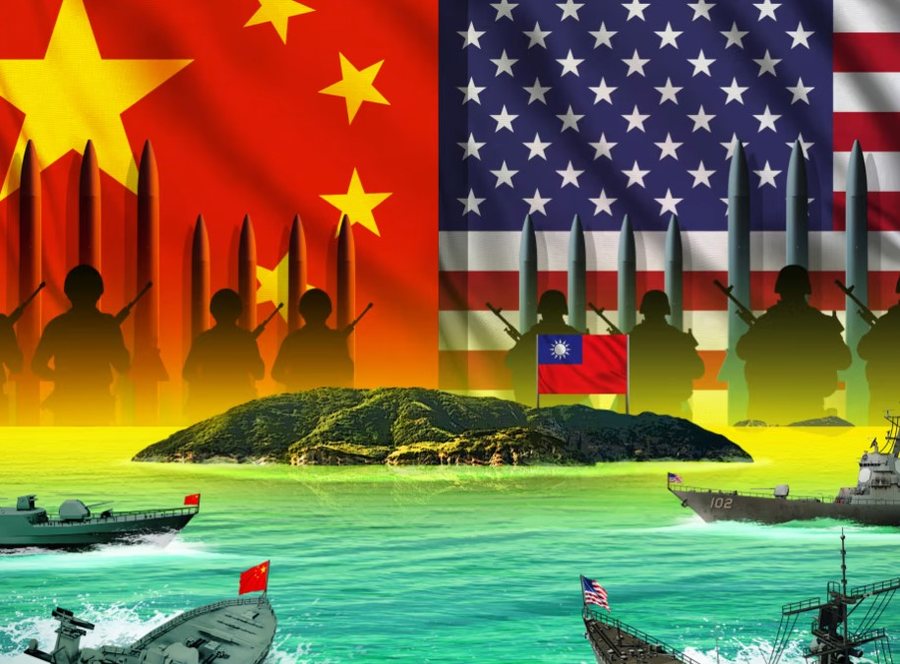
The documents show technology transfers and training that increase the risk of an air offensive.
Russia has agreed to equip and train a Chinese airborne battalion, and share its expertise in airborne landings of armored vehicles, a capability that analysts say could boost Beijing's capacity to invade Taiwan, according to new documents revealing deepening military cooperation between the two countries.
The agreements allow Beijing to gain training and technology in one of the areas where Russian capabilities still exceed Chinese ones: the Russian air force, which has greater experience, according to analysts.
Moscow has become increasingly dependent on China for dual-use equipment that supports its sanctions-hit military industry and to sustain the war in Ukraine, but these deals show that Beijing is simultaneously harnessing its partner's combat expertise to advance Xi Jinping's ambition to build a modern military with capabilities that can rival or surpass the United States.
These accords are an example of how the two militaries are moving beyond symbolic exercises and public statements to create interoperable systems and shared combat experience in areas that China considers critical to winning a battle over Taiwan, the self-governing island of 23 million people that Beijing claims as its own territory.
The documents, the details of which have been independently verified by the Royal United Services Institute, a British think tank, appear to demonstrate the deepening alliance between Moscow and Beijing as Russia attempts to shape a new global order to counter the West and disrupt the status quo.
The complex level of cooperation between Russia and China also highlights a weakness in the Pentagon's efforts to shift resources away from defending Ukraine and Europe and focus on countering China in the Asia-Pacific region, analysts said.
“This is a very good example of how the Russians have become a catalyst for the Chinese,” making the two countries’ security challenges almost insoluble separately, said Jack Watling, senior fellow for Land Warfare at RUSI.
In a potential war over Taiwan, Russia's supply of oil, gas and natural resources, and its large military industry, could become "a strategic reserve for China," added Watling, who co-authored the report published Friday by RUSI on the documents.
Details of the agreements
Kampion dokumentesh prej 800 faqesh, të siguruara nga grupi haktivist Black Moon dhe të shqyrtuara nga The Ëashington Post, zbulojnë se në tetor 2024 Rusia pranoi të shesë 37 mjete amfibie të lehta BMD-4M, 11 armë vetëshkathuruese anti-tank Sprut‑SDM1, 11 transportues personash ajrorë të blinduar BTR‑MDM për Forcën Ajrore të Ushtrisë Çlirimtare kineze.
Kontrata kryesore e pajisjeve, që kishte një vlerë preliminare prej 584 milionë dollarë para finalizimit, përfshinte edhe transferimin e disa automjeteve komandë dhe vëzhgimi, si dhe sisteme specialë parashutash të projektuar për të zbarkuar ngarkesa të rënda nga lartësi të mëdha.
Dokumente shtesë në këto arkiva shfaqin disa raunde negociatash, përfshirë një takim në Pekin në prill 2024, ku pala kineze kërkoi që Rusia të përshpejtojë afatin e dorëzimit për disa mjete, të përfshijë dokumentacion të plotë teknik dhe t’i përshtasë armët që të jenë kompatibile me softuerët, elektronikën, sistemet radio dhe navigacionit kineze.
Dokumente të ndara përshkruanin programe trajnimi për parashutistët kinezë në përdorimin luftarake të armëve, dhe sistemet e avancuara komandë dhe kontrolli që drejtojnë operacionet, nga specialistë rusë në Rusi dhe më pas në Kinë.
Në raportin e publikuar të premten, RUSI deklaroi se trajnimi dhe transfere që përshkruhen në këto file do t’i japin forcës ajrore kineze “kapacitet të zgjeruar manovre ajrore” që ofron “opsione sulmuese ndaj Tajvanit, Filipineve dhe shteteve ishullore në rajon.”
Kremlini nuk ka reaguar deri më tani ndaj kërkesës për koment mbi marrëveshjen. As Ministria e Mbrojtjes së Kinës, as kontraktorët shtetërorë të përfshirë nuk kanë reaguar.
Ndërkohë që Kina deri tani ka refuzuar të furnizojë me sasi të mëdha pajisje ushtarake për përpjekjet ushtarake ruse, dy vendet kanë vazhduar të përqafojnë një partneritet të ngushtë sigurie që të dy e konsiderojnë kyç për të kundërshtuar SHBA-të dhe aleatët e saj.
Objektiv: Tajvani
Për Kinën, ekspertiza dhe armët ruse për zbarkime me ajër janë më me vlerë si pjesë e përgatitjeve për një pushtim të mundshëm të Tajvanit, thanë analistët.
Planifikuesit kinezë i konsiderojnë “absolutisht thelbësore” njësitë e vogla dhe mirë të pajisura që dërgohen me helikopterë ose avionë në orët e para të konfliktit, thanë analistë si Lyle Goldstein, ekspert për ushtritë kineze e ruse në Universitetin Broën.
Edhe me fuqinë e madhe zjarri, një pushtim i plotë i Tajvanit do të ishte një operacion kompleks dhe me rrezik për një ushtri kineze që nuk e ka testuar plotësisht këtë lloj operacioni. Për të pasur sukses, Kina do të duhet të dërgojë qindra mijëra trupa në pak pika përshtatshme në bregdet të ishullit — tërë kohën duke penguar ose mundësisht shmangur ndërhyrjen amerikane.
“Këta kanë studiuar D‑Day-në përpara e prapa e lart e poshtë dhe kanë kuptuar se do të kishte dështuar pa një komponent ajror,” tha Goldstein.
This makes the Russian experience in Ukraine even more valuable to Beijing, and currently, “Russia will do more or less anything to keep China happy and cooperative,” he said.
Xi, China's most powerful leader in decades, has repeatedly stated that Taiwan's subordination to the Chinese Communist Party is an essential step on the path to "national rejuvenation."
To this end, he has ordered the military to modernize more quickly and prepare to "fight and win" wars and, according to US intelligence, be ready to take Taiwan by 2027, although experts say this is not an official deadline for launching an attack.
For Taiwan, Russian support for Chinese offensive air capabilities deepens concerns that Beijing could seize infrastructure inland, even as it attacks from ports and beaches on the coast.
“Previously, China’s lack of ability to send troops in large numbers and maintain logistical support was considered a weakness, but if Russia is providing technical support, this will be a greater challenge to Taiwan’s anti-landing operations,” said Su Tzu-yun, director at the Institute for National Defense and Security in Taiwan.
Faced with heightened Chinese aggression and uncertain support from the US administration, Taiwan has increased military spending and focused on exercises to fend off a possible invasion. Annual drills this year included training to shoot down a Chinese air attack on the main Taoyuan airport, a point that Chinese military commentators have identified as key to breaching Taiwanese defenses.
Leaked Pentagon assessments from 2023 showed that Taiwan's air defenses are particularly vulnerable to missile attacks that could give China air superiority in the early stages of conflicts. /Adapted from "Washington Post"



Lini një Përgjigje