


 Shkruar nga Gjergj Zefi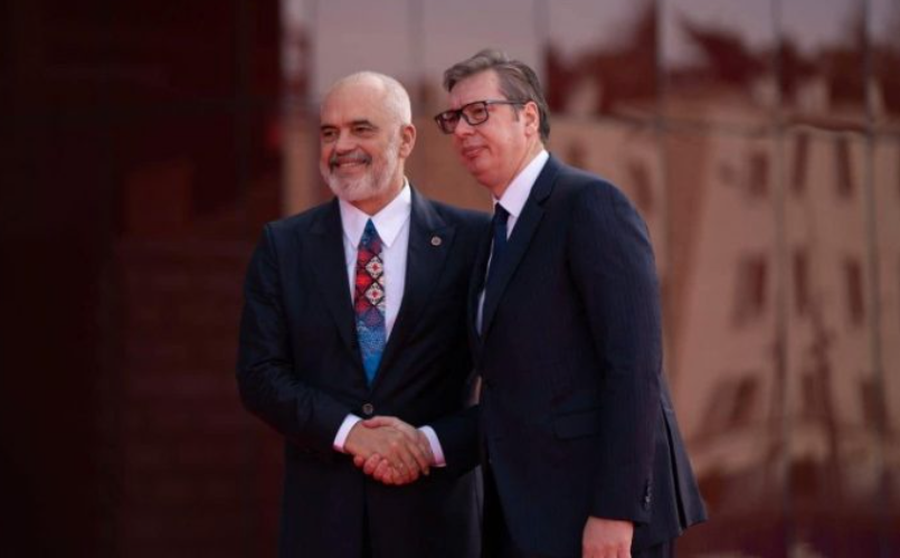
The false stability of autocrats...
Edi Rama in Tirana and Aleksandar Vučić in Belgrade are two leaders who have understood better than anyone how to buy the West’s silence: by selling stability as a political product and offering strategic obedience to Brussels in exchange for the freedom to govern as they wish. Today, the Western Balkans are less democratic, more captured, and more at risk of a return to authoritarianism, not because of the internal strength of these leaders, but because of the shameful compromise that Western powers have chosen to make with them.
Rama and Vučić are two sides of the same Balkan coin: modern autocrats who have mastered how to use the language of the West to advance their personal agendas of unlimited power. Both grew up politically in a post-conflict climate where stability has become the region’s most powerful currency, and they have capitalized on this skillfully, offering Brussels, Berlin, and Washington a guarantee: tranquility in exchange for the freedom to govern without control.
In Serbia, Vučić plays the role of balancer between East and West, flirting with Moscow and Beijing but maintaining a moderate pro-EU rhetoric when necessary.
In Albania, Rama has disguised everything with Euro-Atlantic vocabulary, Western aesthetics and digital technocracy, but in essence he has installed a regime of vertical control, where power is concentrated as never before. They govern not by law, but with the arrogance of legitimacy that they think is given to them by manipulated votes and foreign support.
The EU and its international partners are not naive. They know very well that neither independent justice, nor free media, nor separation of powers work in Tirana and Belgrade. But they choose to remain silent. For Vučić, because he is a guarantee that another wave of aggressive nationalism will not erupt. For Rama, because he is “reliable” to manage immigrants, to implement infrastructure projects and to keep Albania in line with Western interests in the region.
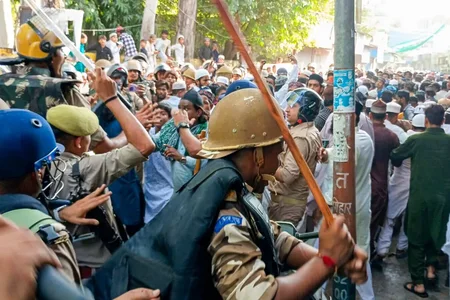
This reality is dangerous. It legitimizes soft autocracy, in the name of stability. And it sets a precedent: that as long as you are useful to the great powers, you can govern as you please in your country. This model is exporting democratic regression throughout the region. Serbia is today a semi-authoritarian state. Albania is following suit step by step. And this is happening not because Vučić or Rama are geniuses, but because the EU has chosen to see the Balkans through the glasses of low compromise, and not of the values it preaches.
If Europe does not change course, it will face tomorrow a Balkans that is unhappy, unstable, and filled with leaders who no longer believe in democracy, but only in perception management. And by that point, it will be too late./ Pamphlet



Lini një Përgjigje