


 Shkruar nga Pamfleti
The return of the discussion about the bandage seems to be one of the elements that includes the government's scenario to cope with the second part of the year. The state "delays", but does not forget...
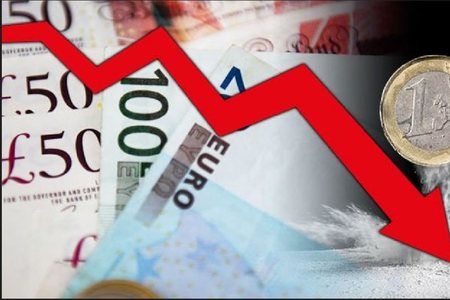
In October 2022, in Albania, inflation, which measures the change in the prices of goods of a certain basket, reached 8.3%, which was the highest level since 1998.
In the same period, in the European Union, inflation reached 10.6%, which is the highest level of all time. Data from INSTAT, which publishes the harmonized index of consumer prices, showed that Albania had the fifth lowest price increase in Europe, at similar levels to Spain and France, while the record was 22% (Estonia).
At first glance, Albania managed to cope well with the wave of price increases, which started with the distortions in the markets, which created the pandemic and then, the attack of Russia on Ukraine.
In fact, what "saved" the country in the first wave was the non-change of energy tariffs, as the whole of Europe was faced with an increase in its price, especially gas.
In October, the price of energy contributed to over 40% of the increase in inflation in the countries of the European Union. While the structure of the energy resources used by Albania favored the inhibition of the price increase.
Wide non-use of gas, unlike Europe, which uses it massively for cooking and heating; the use of eclectic energy produced in the country by water power (while the winter season turned out to be wet), made Albania exposed only to fluctuations in the price of imported fuel and electricity.
At that time, the Albanian Prime Minister "threatened" to change the price of electricity, through the introduction of the consumption band, which would automatically lead to a significant price increase for consumers who consumed above the band 800 kWh per month and would be applied for the period October-December (every kilowatt under the 800 band was paid at the price of 9.5 Lek, while every kilowatt/hour above it, at 42 Lek/kWh).
If the bandwagon were to be implemented, inflation would jump to double-digit levels in the final months of 2022. But the government backed off, perhaps fearful of growing discontent, as local elections loomed.
Regarding fuel prices, the government persistently kept the Transparency Board, a body composed of representatives of various state institutions, that set a ceiling on fuel prices and was in force for more than a year, being repealed just last week.
Less long-lived was the Board that fixed food prices. Both boards, in fact, faced debates about their efficiency and state intervention in the free market, until they were overturned by the Constitutional Court.
Now that the elections are over, the government seems more "calm" and "unconcerned" about inflationary pressures. In May, contrary to the Bank of Albania's expectations, the Consumer Price Index returned to growth, after 6 consecutive months of slowing down, reaching 4.7%, from 4.6% the previous month.
The promise to raise salaries in the state administration may have had a psychological effect, but the main reason is related to the increase in the prices of food products.
And in a country, where families spend over 40% of the expenses for food, from 13% which is the European average, the indicator is significant and risks devaluing even the little increase that the administration will receive this year, while senior officials are protected, since they almost doubled their salaries.
On the other hand, the increase in inflation when the trend in the world is downward, shows that the government's policies to protect the population were not so visionary.
Përkundrazi, prodhimi vendas në këto dy vjet është bërë aq jokonkurrues sa shumë tregje po zëvendësohen nga importi. Shembujt më të mirë janë industria e përpunimit të qumështit, me rritje 14% të çmimeve në maj, apo prodhuesit e birrës (importet e këtij produkti janë shtuar me më shumë se 50% muajt e parë të vitit). Një vend bujqësor si Shqipëria, ndërkohë, po has vështirësi në sigurimin e produkteve bazë si patatja e qepa.
Vetë tregu duket se po vuan pasojën e mungesës së politikave afatgjata të zhvillimit dhe rritjes së konkurrueshmërisë, por edhe qeveria këtë herë mund t’i japë një “dorë” inflacionit.
Së fundmi, kreu i qeverisë përmendi, edhe një herë, barrën që ka mbajtur qeveria për energjinë, duke mos e transmetuar këtë te familjet, pavarësisht sasisë së favorshme të reshjeve në stinën e dimrit, duke paralajmëruar se në verë mund të kthehet sërish fasha.
Argumenti do të jetë shumë i thjeshtë: rritja e çmimeve në tregun ndërkombëtar dhe thatësira që patjetër do të shfaqet në një apo më shumë muaj në stinën e verës. Ndërkohë pak sqarime kemi dëgjuar e pak llogari është dhënë për reformat reale në sektorin e energjisë dhe miradministrimin e burimeve financiare dhe hidrike nga kompanitë përkatëse.
Even the latest data speak of an increase in losses and the level of non-payments, or an increase in the costs of creating the Energy Exchange, which so far has not affected the price reduction, on the contrary, it has further increased the commission costs. But accountability and effectiveness in the administration of resources, in this case energy ones, as always, is of little importance.
The return of the discussion about the bandage seems to be one of the elements that includes the government's scenario to cope with the second part of the year. The state "delays", but does not forget.../ Monitor


Lini një Përgjigje