


 Shkruar nga Pamfleti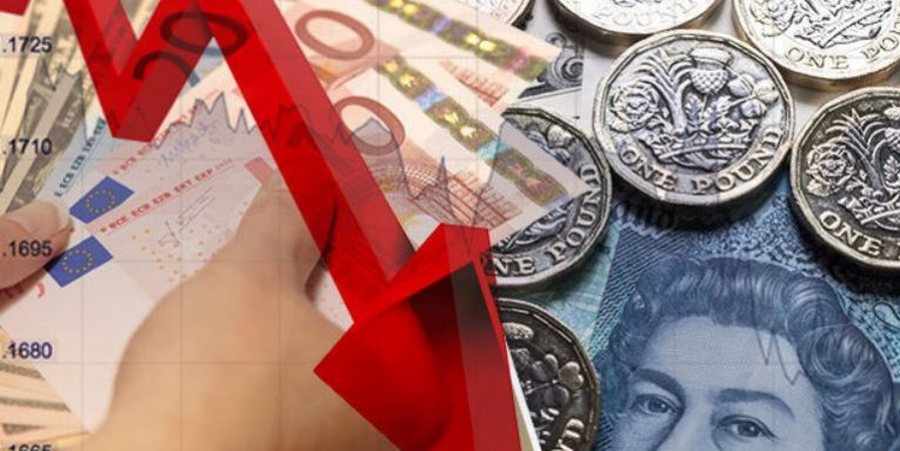
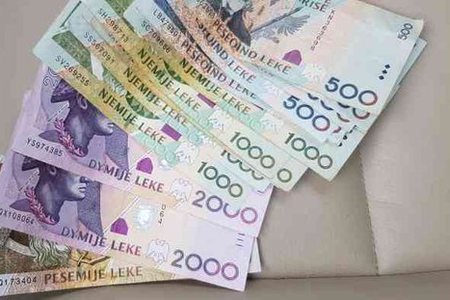
Informal money, also known as the gray economy, is an illegal channel or tool, not controlled by government authorities. The impact of informal money on the strengthening of the lek is a complex issue and can have different impacts.
Some factors that can be related to informal money and the strengthening of LEK can be:
1. High demand for LEK: If there is a large amount of informal money in circulation in the country, this can create a demand for added for the Albanian lek. In cases where the demand for the lek is higher than the supply, this definitely affects the strengthening of the lek against other currencies, including the Euro.
2. Confidentiality and risk: Informal money usually moves outside the banking and financial systems, being used for secret and uncontrollable transactions. Investors and speculators may prefer to hold excess balances in LEK as less exposed to risk as well as government control.
3. Trust in banks and financial institutions: When trust in banks and financial institutions is weak, individuals and businesses may choose to hold their money informally. That does not seem to be the case..or it does not dominate.
In the conditions of a more stabilized economy and well supervised by the competent authorities, the influence of informal money on the strengthening of the lek could be reduced.
But what is the amount of informal money circulating in Albania?
According to the estimates of some experts and studies, the percentage of informal money in Albania is high, but varies in variability. In a World Bank report in 2019, it was mentioned that informal money in Albania can reach up to 40% of the Gross Domestic Product (GDP). Another report published by the International Monetary Fund in 2020 estimates the percentage of Albania's unsolved economy at around 30% of GDP.
However, these are just estimates and do not give an officially confirmed figure, as it is simply immeasurable. Informal money can circulate in many sectors of the economy in Albania.
Construction: The construction sector has had a history associated with informal money in Albania. A part of residential and commercial construction is usually carried out with payments in hand "CASH" and outside the banking system. This means that informal money is quite present in this sector.
Transport: Transport is a sector where informal money is very present.
Tourism: Much of the tourism industry in Albania is heavily influenced by informal money. In tourist areas, such as the coast and mountain areas, many tourism services, such as accommodation, restaurants, and other tourist activities, can be circulated informally.
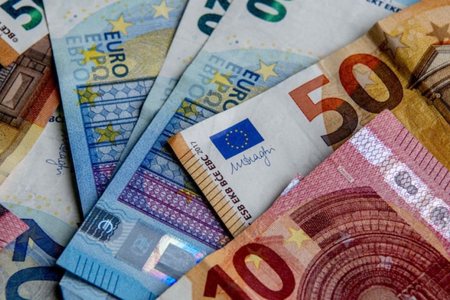
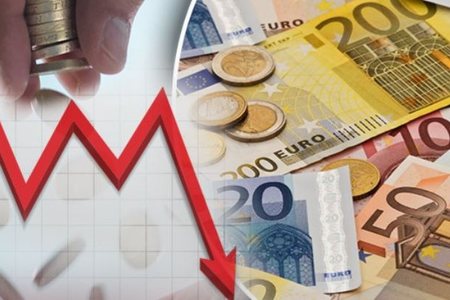
So LEK strengthens much more because: there is a lot of informal money which increases the demand for LEK. High demand for LEK means a stronger LEK, thus a weaker Euro...
Meanwhile, the export companies that give the biggest plus to the economy are being affected a lot, since the fall of the Euro to these proportions, if it continues, will bring great damage.
How long will the fall of the EURO and the strengthening of the LEK continue?
Unpredictable as long as the levers of control are not held by any hand, neither by the state authorities, nor the financial ones.../ Pamphlet


Lini një Përgjigje