


 Shkruar nga Ionut Popescu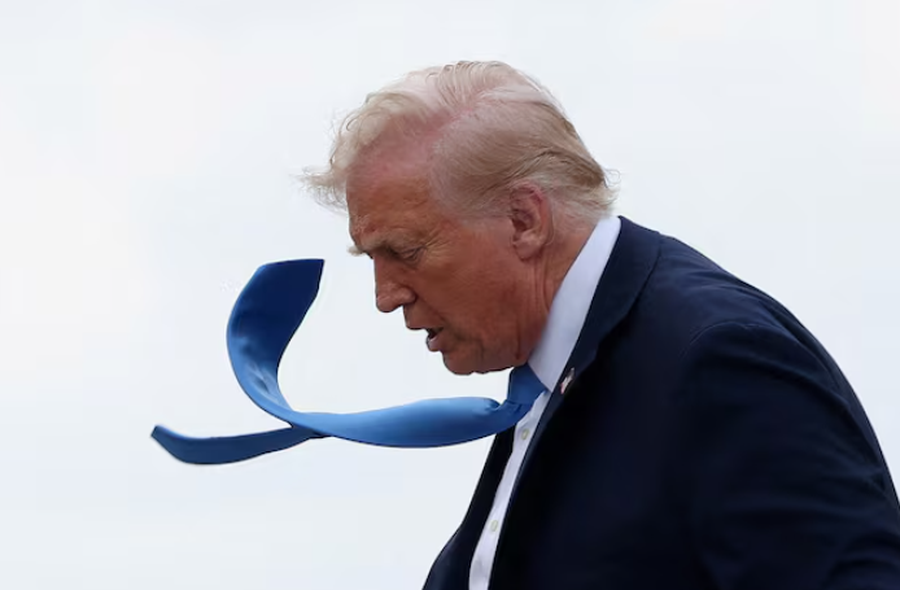
The United States may no longer be the undisputed global hegemon. However, it can remain an unrivaled global power if it pursues the right realistic strategy...
Is there a grand strategy behind all the dramatic moves in President Trump's nearly 100 days in his second term? Despite appearances, and what many foreign policy experts argue, the answer is yes. Whether the Trump Doctrine will be successful remains to be seen.
However, his principles are reasonable and based on the genuine realist tradition of American foreign policy exemplified by Alexander Hamilton, Theodore Roosevelt, and Richard Nixon. The Trump administration's grand strategy rests on three main realist principles.
First, by an international system dominated by competition between great powers, second, a foreign policy based on the national interests of realpolitik (or what they call “America First”), and third, by a greater appreciation for geoeconomics and the role of financial power in global politics.
After a brief period (the post-Cold War era) of friendship and low levels of tension between the great powers, it is now clear that we are once again in a new era where realist thinking and behavior are dominating world politics, from military competition to trade relations and technological advances.
Over the past decade, two geopolitical trends have emerged. First, China is aiming to achieve regional and ultimately global hegemony. Second, Russia's invasion of Ukraine is destabilizing European security and the global economy.
Since President Xi Jinping came to power in 2013, Beijing’s aim to displace the US from its role as the main guarantor of security in East Asia has become more apparent. As Xi put it in 2014: “It is up to Asians to lead Asia’s affairs, solve its problems, and uphold the continent’s security.”
Meanwhile, he continues to reiterate China's need to reassert control over what it considers its territories, including Hong Kong, Taiwan and the South China Sea. Speaking on the 110th anniversary of the Chinese Revolution in 2021, Xi declared that "the historic task of fully reunifying the motherland must be accomplished, and will definitely be accomplished."
Meanwhile, US-Russia diplomatic relations reached their lowest point since the worst moments of the Cold War, when the Pentagon engaged in a proxy war against Russian forces in Ukraine, while Washington imposed major sanctions on the Russian economy.
Për më tepër, dy rivalet e Amerikës janë afruar gjithnjë e më shumë me njëra-tjetrën. Në përgjithësi, çdo vend në pozicionin që mban aktualisht SHBA-ja - fuqia e vetme e madhe pa rivalë strategjikë në rajonin e vet - duhet të fokusohet në ruajtjen e kësaj statuskuoje të favorshme për aq kohë sa të jetë e mundur.
Ajo e bën zakonisht, duke e ruajtur kontrollin e saj rajonal dhe parandaluar që një fuqi tjetër e madhe të bëhet një hegjemon rajonal në rajonet kryesore strategjike të botës: Azinë Lindore, Evropë dhe Lindjen e Mesme. Në mjedisin e sotëm, vetëm Kina ka aftësinë të bëhet një hegjemon rajonal. Rusia dhe Irani, por edhe pretendentëve të tjerë u mungojnë mjetet, pasi rrethohen nga fqinjët më të pasur.
Prandaj, fokusi kryesor i administratës Trump në qëllimet e saj dyfishta të rivendosjes së dominimit të SHBA-së në Hemisferën Perëndimore nga njëra anë, dhe frenimit të rritjes së Kinës nga ana tjetër, përfaqësojnë prioritetet e sakta kryesore që mund të priten nga një doktrinë realiste.
Po ashtu, përpjekjet diplomatike për t’i dhënë fund luftës në Ukrainë dhe për të negociuar një marrëveshje bërthamore me Iranin, janë strategji koherente që synojnë reduktimin e angazhimeve të SHBA-së nga dy zona që kanë tashmë një rëndësie dytësore: Evropa dhe Lindja e Mesme.
Për t’i arritur këto objektiva strategjike, administrata po ndjek një parim të dytë të realizmit: realpolitikën. Sipas shtetarit realist anglez të shekullit XIX, Lordit Palmerston: S’ka aleatë të përjetshëm dhe ne nuk kemi armiq të përhershëm... Vetëm interesat tona janë të përjetshme dhe të përhershme”.
Kur zëvendëspresidenti J.D.Vance apo Sekretari i Mbrojtjes Pete Hegseth kritikojnë NATO-n
dhe aleatët e Evropës Perëndimore, ekipi i Trump është thjesht duke ndjekur këtë parim. Ai po e riorienton diplomacinë dhe aleancat amerikane larg partneriteteve të vjetra në favor të partneriteteve të reja.
Është një qasje e arsyeshme që Shtetet e Bashkuara t’i kushtojnë vëmendje Grenlandës dhe Panamasë, që të përforcojnë kontrollin e saj gjeopolitik të Hemisferës Perëndimore, si dhe të fokusohen në zvogëlimin e angazhimeve të aleancës në skenat dytësore, në mënyrë që t'i forcojnë ato në rajonin e Azisë-Paqësorit dhe të frenojnë synimin e Kinës për hegjemoni.
Ndërsa partneritetet e vjetra po e humbin rëndësinë e tyre, është po aq e rëndësishme të krijohen të reja, dhe asnjë sfidë gjeopolitike nuk është më e mprehtë për Shtetet e Bashkuara sesa prishja e aleancës në zhvillim midis fuqisë së dytë dhe të tretë më të madhe në botë.
Në vend se t’i trajtojmë si një kërcënim i përbashkët ideologjik, qasja më e mirë për ta prishur aleancën në zhvillim ruso-kineze, është të miratohet një strategji realiste kisingeriane e afrimit me Moskën, partnerja më e dobët, dhe të krijohet një pykë strategjike mes tyre.
The first and most urgent step in preventing the strengthening of the Moscow-Beijing axis is to achieve a lasting diplomatic solution to the Ukraine crisis that would improve Washington-Moscow relations. In the long term, Washington must provide Russia's leaders with sufficient security guarantees to ensure their sphere of influence in Eastern Europe.
Second, as the system shifts from unipolarity to multipolarity, the nature of the world order will be questionable, realistic, and can no longer be liberal, as was the case under American hegemony in the unipolar era. Secretary of State Marco Rubio was right to call the liberal world order “a dangerous illusion,” and to call for a foreign policy that serves the national interest.
The third, but perhaps most vital pillar of Trump's grand strategy concerns a realistic approach in the realm of economic and technological policy, to counter China's economic warfare and techno-nationalism that allowed it to catch up with or even surpass Western countries in these dimensions of global power.
In this context, tariffs should be considered primarily as an economic weapon against China, which could advance America’s geoeconomic interests and discourage American and Western companies from investing in China. The United States and China are engaged in a geopolitical confrontation akin to a Cold War, not simply in a “competition.”
Therefore, the realist approach requires the Trump administration to move towards a gradual but deliberate and sustained economic disengagement from China. To win the new technological war against China and maintain its current geopolitical position, the US must adapt its approach to domestic innovation and manufacturing, science and technology funding, export controls, promotion of international technical standards, and infrastructure investment to prevent Beijing from dominating key technologies of the future.
The US cannot return to the unchallenged global hegemony it enjoyed during the 1990s. But it can remain a major global power for decades to come if its leaders pursue the right realistic strategy. The Trump Doctrine has all the hallmarks of such an approach. It is now up to the administration to implement it without unnecessary distractions.
Note: Ionut Popescu, associate professor of political science at Texas State University.


Lini një Përgjigje