


 Shkruar nga Serge Schmemann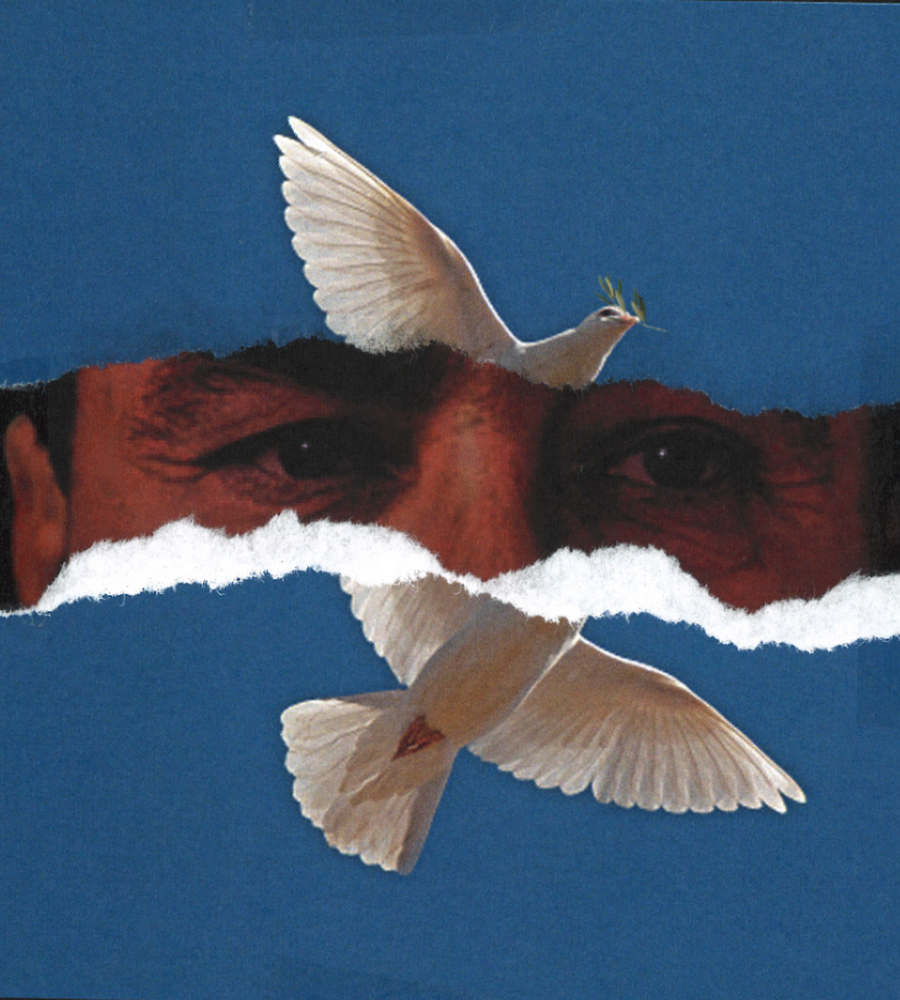
By creating a “Peace Board” with paid membership, Donald Trump is rewriting the rules of global diplomacy. This new instrument of power evokes disturbing parallels with the propaganda machine of the Soviet Union, where the rhetoric of peace served as a shield for authoritarian ambitions…
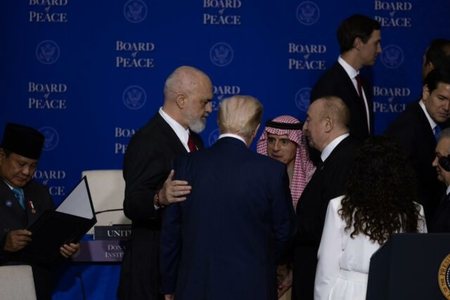
For anyone who has spent any time in the former Soviet Union, US President Donald Trump's newly created "Peace Board," which held its first meeting on Thursday, revives some disturbing echoes.
No one wanted peace as much as the Soviet people, or so it seemed from the relentless stream of official proclamations. It was displayed on billboards, in May Day slogans, and in “peace marches” along the Volga River, where foreigners were invited to sing “We Shall Overcome” with brightly dressed schoolchildren, or to meet with “ordinary” – read: carefully prepared – Soviet citizens to discuss American militarism.
“Mir i druzhba!” – peace and friendship – was often the first toast at any formal meeting between Soviet officials and foreigners, with the implied subtext that we, the foreigners, were the warmongers.
A colleague of mine called these officials “hardliners for peace and friendship,” and popular humor suggested that many Soviets agreed. The word “Mir” also means “world” in Russian, which made for a pretty significant anti-slogan: “We want Mir! The whole world!”
The Kremlin did not have a “Board” or “Institute” specifically for peace, as Trump now has, but it did have a “World Peace Council,” a “Soviet Peace Foundation,” and a “Soviet Peace Committee,” headquartered in Moscow on Prospekt Mira, or Peace Boulevard.
These groups were a powerful weapon in Soviet anti-war politics, organizing regular international conferences and providing generous secret funding to numerous anti-war movements that actually glorified the Soviet Union.
Like any concerted effort to deceive public opinion, this strategy sometimes worked. I met Russians who seemed to genuinely believe that America wanted war. On a trip to the Russian steppes, I was asked so often—either naively or provocatively—why “you Americans” want war that I finally replied sharply to one of them: “We can’t do it any other way; we just want war so terribly!”
It is not clear whether Trump is aware of how much the Soviets also wanted peace, although he has offered a seat on his Peace Board to Vladimir Putin, the descendant of the Bolshevik leaders whose invasion of Ukraine has so far resulted in the killing, wounding or disappearance of almost 2 million people.
Po ashtu, ideja e vetë Trumpit për paqen është mjaft e mjegullt. Ai nuk humbet asnjë rast pa kërkuar një Çmim Nobel për Paqen për 8 konfliktet që pretendon se i ka përfunduar: midis Izraelit dhe Iranit, Izraelit dhe Hamasit, Pakistanit dhe Indisë, Ruandës dhe Kongos, Tajlandës dhe Kamboxhias, Armenisë dhe Azerbajxhanit, Egjiptit dhe Etiopisë, si dhe Serbisë dhe Kosovës.
Që të jemi të qartë, shumica e këtyre marrëveshjeve ishin zgjidhje të përkohshme për mosmarrëveshje të vjetra, dhe jo të gjitha ishin vërtet luftëra. Në të njëjtën kohë, administrata Trump ka sulmuar anije në Karaibe, ka pushtuar Venezuelën për të kapur udhëheqësin e saj, ka bombarduar Iranin dhe zonat e kontrolluara nga Huthit në Jemen, si dhe ka dërguar aeroplanmbajtëse për të kërcënuar Teheranin.
Sidoqoftë, Bordi i Paqes i Trump ndryshon nga frontet sovjetike në disa mënyra kyçe. Bordi u krijua fillimisht për të mbikëqyrur procesin e paqes në Gaza. Trump thotë se anëtarët kanë premtuar 5 miliardë dollarë për rindërtimin e saj.
Megjithëse ky mision u la disi në hije, aleatët e SHBA-së kanë frikë se Trump e imagjinon këtë bord si një alternativë të kontrolluar plotësisht prej tij - një strukturë vetëm me ftesë dhe me pagesë prej 1 miliard dollarësh për një vend të përhershëm - që synon të zëvendësojë Këshillin e Sigurimit të OKB-së.
“Bordi i Paqes do të tregojë se është organi ndërkombëtar më i rëndësishëm në histori”- deklaroi ai në një postim. Ndërsa Fondi Sovjetik i Paqes, ishte krijuar për t'i ngjarë një lëvizjeje bazë, që financohej nga një “donacion” vjetor nga paga e një dite nga çdo qytetar sovjetik.
Ai synonte të përmirësonte rolin e Moskës në organizatat ndërkombëtare, jo t'i zëvendësonte ato. Qëllimi qendror i propagandës sovjetike ishte “gjuha e dyfishtë” oruelliane: përshkrimi i një sistemi totalitar si kulmi i demokracisë.
“Lufta është paqe!”, ishte vetëm një pjesë e kësaj strategjie. Shtypja brutale, rrjeti i gjerë i policisë politike, kulti i personalitetit dhe korrupsioni i përhapur, maskoheshin si barazi e përsosur dhe respekt për të drejtat e njeriut.
Një nga eufemizmat e mi të preferuar sovjetikë, ishte përshkrimi zyrtar i çdo ndryshimi si “përsosje e mëtejshme”. Bashkimi Sovjetik, mund të ketë qenë pionier i kësaj gjuhe, por ajo tashmë është bërë pjesë e pandarë e regjimeve autoritare kudo në botë.
Udhëheqësi i një sistemi të përsosur, është sipas përkufizimit i pagabueshëm. Në Bashkimin Sovjetik, ishte e paimagjinueshme që udhëheqësi të pranonte një gabim. Donald Trump, që nuk ka pranuar kurrë një gabim në mënyrë të qartë, po ndjek një linjë të ngjashme. “Do të kërkoj falje ndonjëherë në të ardhmen, shpresojmë të largët, nëse gaboj ndonjëherë…”- tha ai dikur. Megjithatë, një kult personaliteti bëhet i vështirë për t’u ruajtur kur udhëheqësi fillon të zbehet fizikisht apo mendërisht, ashtu siç ndodhi me Leonid Brezhnjevin në fund të pushtetit të tij.
The more confused he became, the more tributes were paid to him and cities were named after him. Trump is trying to perpetuate his name at every turn, arguing that “you have to put your name on things, otherwise no one remembers you.”
Of course, any similarities between Soviet practices and what is happening in the United States may be coincidental. But experience in the old Soviet Union teaches you to see authoritarianism hiding behind every gilded door or egotistical monument.
History shows that the lies of an authoritarian system do not last forever. But that would be more comforting if countries did not slip into the same cycle again. Vladimir Putin knows this game well. He knows how to turn peace into a political bargain, waiting for the right moment to play his next move. / Pamphlet from the “New York Times”
Note: Serge Schmemann is a member of the editorial board of The New York Times. During his long career, he served as the newspaper's bureau chief in Moscow, Bonn and Jerusalem. He is a Pulitzer Prize winner for his coverage of the aftermath of the collapse of the Soviet Union.


Lini një Përgjigje