


 Shkruar nga Prof.dr. Skënder Asani
The fundamental question is not only whether North Macedonia will continue its path towards Europe, but whether its political elites will understand that the European future is built on inclusive dialogue, democratic compromise, coexistence and historical responsibility towards its citizens. History will not remember those who set “red lines” towards the future, but those who had the political courage to build bridges over crises and divisions.
Commitment to Eurointegration has been one of the highest political and civic priorities of the citizens of North Macedonia since the founding of the state in the 1990s. For decades, citizens have invested their faith, patience and optimism in the belief that the European project will guarantee stability, functional democracy, interethnic equality and institutional advancement. This path shows that almost every step towards Euro-Atlantic structures has been accompanied by new obstacles, sometimes driven by external factors with geopolitical agendas and sometimes generated by internal political dynamics that have hindered reforms and state consensus.
The process of European integration has become a protracted endeavor, characterized by delays, uncertainties and recurring crises, where civic ideals often clash with short-term political calculations. Currently, this process is at a turning point, which will affect not only the strategic direction of the state, but also its democratic identity, multiethnic character and the credibility of the European project in the region.
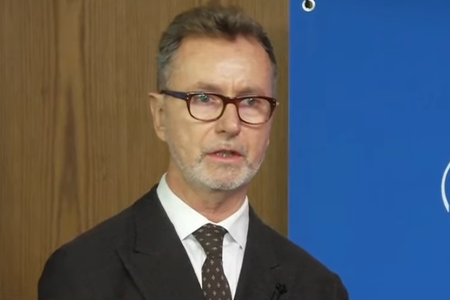
The recent political developments in North Macedonia, reflected in the statements of senior state officials regarding the rejection of constitutional changes and the definition of “red lines”, signal the beginning of a new phase of institutional and diplomatic tensions, with possible long-term consequences for the internal stability and the Euro-Atlantic strategic orientation of the country. The statement by Foreign Minister Timco Mucunski, in the presence of the Secretary General of the Council of Europe, Alain Berset, that the country “is not ready for constitutional changes”, should not be seen only as a usual political stance or as part of an internal procedural debate. On the contrary, it signals a clear change in the official discourse, which is gradually moving away from the integration paradigm and entering a phase of more confrontational rhetoric towards international partners.
Kjo ndodh në prag të debatit të rëndësishëm që pritet të zhvillohet në mesin e qershorit në Parlamentin Evropian, ku eurodeputeti Thomas ëaitz do të paraqesë raportin e progresit për Maqedoninë e Veriut. Ky debat vlerësohet si një nga më të ndjeshmit dhe më të diskutueshmit në vitet e fundit, sipas analizave diplomatike dhe politike. Fokusi i tij do të përfshijë jo vetëm bllokimin e procesit të ndryshimeve kushtetuese, por edhe shqetësimet mbi funksionimin demokratik, respektimin e standardeve evropiane dhe ruajtjen e karakterit multietnik të kornizës kushtetuese. Vendimi i ardhshëm i Parlamentit Evropian mund të marrë një ton paralajmërues dhe kritik politik, duke sinjalizuar se procesi i eurointegrimit të Maqedonisë së Veriut ndodhet në një fazë vendimtare, potencialisht në një nga etapat përmbyllëse të izolimit të zgjatur institucional dhe diplomatik.
Një aspekt shqetësues i situatës aktuale është perceptimi në rritje në qarqet ndërkombëtare se esenca e Marrëveshjes së Ohrit po zbehet gradualisht, si pasojë e politikave të centralizimit institucional, relativizimit të të drejtave kolektive dhe rritjes së tensioneve ndëretnike. Marrëveshja e Ohrit, e konsideruar historikisht si themel i stabilitetit dhe bashkëjetesës në vend, duket se po humb peshën e saj politike, ndërsa çështje si përdorimi i gjuhës shqipe, përfaqësimi institucional dhe balanca ndëretnike po trajtohen gjithnjë e më shumë si tema të zakonshme politike, e jo si parime të pandryshueshme të rendit kushtetues. Kjo krijon paqëndrueshmëri politike dhe psikologjike, veçanërisht tek shqiptarët që e shohin Marrëveshjen e Ohrit si garanci për ekzistencën e tyre politike dhe institucionale.
Nga këndvështrimi i analizës së komunikimit politik, retorika aktuale qeveritare përfaqëson një model tipik të ndërtimit të narrativës së “rrethimit politik”, ku përgjegjësia për krizën zhvendoset jashtë dhe aktorët ndërkombëtarë paraqiten si pengesë për sovranitetin dhe identitetin kombëtar. Ky model përdoret zakonisht nga qeveritë që përballen me krizë legjitimiteti ose vonesa reformash, duke synuar mobilizimin e opinionit të brendshëm përmes diskursit emocional dhe nacionalist. Në rastin e Maqedonisë së Veriut, kjo qasje mbart rrezik serioz politik, pasi mund të thellojë polarizimin ndëretnik, të rrisë tensionet me partnerët euroatlantikë dhe të minojë besimin e qytetarëve në institucionet shtetërore.
Komuniteti ndërkombëtar duhet ta trajtojë këtë moment politik me seriozitet të shtuar, duke mos e reduktuar situatën vetëm në çështje teknike të ndryshimeve kushtetuese apo mosmarrëveshjeve bilaterale. Kriza aktuale ka marrë karakter strukturor dhe ndikon drejtpërdrejt në drejtimin strategjik të shtetit. Çdo vonesë në angazhimin diplomatik dhe politik mund të ketë pasoja të paparashikueshme për stabilitetin rajonal, veçanërisht duke pasur parasysh ndjeshmërinë gjeopolitike të Ballkanit Perëndimor.
The lack of a clear and transparent international commitment to guarantee democratic standards, protect the Ohrid Agreement, and preserve the European integration process increases the risk that North Macedonia will enter a new cycle of political and institutional crisis, with long-term consequences for the entire region.
This analysis aims to serve as a political and diplomatic warning to local and international opinion, emphasizing that the June debate in the European Parliament should not be seen as a parliamentary formality, but as a decisive moment for the democratic, multiethnic and European future of North Macedonia. If the current processes continue with the same dynamics of political polarization and exclusionary rhetoric, the risk of political isolation and internal crisis becomes increasingly real, with consequences that go beyond political discourse and affect the institutional stability and social cohesion of the state.
The discourse on the current political and institutional crisis in North Macedonia has gone beyond procedural debates on constitutional amendments and now touches on the fundamental issue of the state’s historical orientation and its ability to preserve its democratic, multiethnic and European identity. The escalation of political discourse, the gradual relativization of the Ohrid Agreement standards and the creation of a confrontational atmosphere with international partners endanger not only the European integration process, but also civic trust and institutional cohesion.
Therefore, the current moment requires government prudence, strategic vision, and the restoration of the culture of political dialogue as an essential condition for avoiding isolation and preserving the country's European orientation.
The fundamental question is not only whether North Macedonia will continue its path towards Europe, but whether its political elites will understand that the European future is built on inclusive dialogue, democratic compromise, coexistence, and historical responsibility towards its citizens.
History will not remember those who set "red lines" towards the future, but those who had the political courage to build bridges over crises and divisions.
Skopje, 11 May 2026


Lini një Përgjigje