


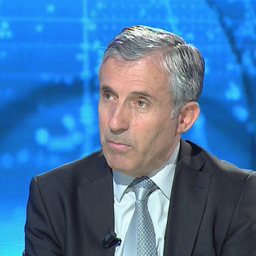
 Shkruar nga Prof. Dr. Enver Bytyçi
So, Enver Hoxha, for reasons that are unknown, continuously supported Tito in his "difficulties in convincing the Serbs"! He created the political conditions for him to maintain the balance of relations between the republics of the former Yugoslavia, sacrificing Kosovo.
A document discovered in the archives by the master of memoir research, the renowned journalist Dashnor Kaloçi, was published as the minutes of a conversation between the former communist leader, Enver Hoxha, and the former charge d'affaires of the Republic of Albania in Belgrade, Lik Seiti. The meeting was dated September 19, 1970. The document gives us a picture of the relations between Yugoslavia and Albania at the time and at the same time focuses on the positions of the Albanian political leaders of Kosovo in comparison with each other. At the epicenter is the role and figure of Fadil Hoxha, who had a conversation with the Albanian diplomat and the latter had requested that he transmit that conversation to Enver Hoxha. Ramiz Alia was also present.
What stands out is related to a view, according to which "Kosovo should not have sought a Republic within the Federation of Yugoslavia". This view was given to our diplomat in Belgrade by Fadil Hoxha himself. While the former leader of communist Albania authorized Lik Seit to verbally give this answer to Fadil Hoxha: "We consider your opinion to not accept the creation of a second Albanian Republic to be right. This is a right and patriotic position. The People's Republic of Albania will fight an opposing position with all its might. We agree with your opinion that there is only one People's Republic of Albania in the world"!
Is this a defining moment in the search for the hypothesis, whether Enver Hoxha helped or harmed Kosovo even after 948 during his government?! Until I read the document in question, I had a dilemma, whether Enver Hoxha only in the years 1941-1948, more precisely 1944-1948, was on the side of the Yugoslavs and Serbia and against Kosovo, or did this position extend even later in time?! But I was more inclined to the truth that secret agreements with Tito existed throughout Hoxha's reign. I support this fact in the agreement with the secret service of Serbia and Yugoslavia for the return to Albania of those who fled from our country. In the mistreatment, even to the point of cruelty, of Albanian patriots who were fleeing from Yugoslavia (Kosovo) and their violent return again to the hands of the Serbian-Yugoslav security. Or the fact that Hoxha's Albanian government tried to create a military coalition after 1968, as it was said, "against Russian aggression"! Even trade relations with Yugoslavia were among the favorites of the regime of the time.
Megjithatë proëesverbali i kësaj bisede e vitit 1970 e zgjidh përfundimisht dilemën. Enver Hoxha në vazhdimësi ishte kundër Republikës së Kosovës në kuadër të ish-Jugosllavisë. Ai madje shprehet se një qëndrim “pro Republikës së Kosovës” do ta luftonte me të gjitha forcat! Pikëpamja e liderit shqiptar të Shqipërisë nuk është evasive. Eshtë shumë e saktë dhe e prerë. Jo Republikës së Kosovës. Kjo do të thotë se kërkesën e shqiptarëve në protestat e vitit 1968 për “Kosova Republikë” e kishte kundërshtuar jo vetëm Beogradi, por edhe Tirana zyrtare. Tirana zyrtare kësisoj e kishte favorizuar Titon në vendimin e tij për statusin e Kosovës në pajtim me pikëpamjen serbe.
Sigurisht që Fadil Hoxha e testoi Lik Seitin me paraqitjen e mendimit të tij rreth Kosovës. Ai kishte porosi nga Tito ta bënte këtë test. Këtë e pranon vetë Hoxha në bisedë. Enver Hoxha, duke ditur se ishte Tito ai që dëshironte të dinte mendimin e udhëheqjes shqiptare rreth statusit në diskutim të Kosovës e konfirmoi qëndrimin e tij besnik ndaj Titos. E mori këtë mendim përmes të ngarkuarit me Punë të Shqipërisë në Jugosllavi dhe madje pa patur nevojë për shpjegime të mëtejshme vendosi: “Kosova nuk duhet të jetë Republikë në Federatën e Jugosllavisë”! Kaq i mjaftonte liderit jugosllav që të mos kishte vështirësi në marrjen e vendimit, pra që Kosova të ishte një krahinë autonome e Jugosllavisë e formalisht edhe e Serbisë. Ai mori përgjigjen e njejtë si ajo e vitit 1946, kur Titoja i kishte thënë se “Kosova do t’i bashkohej Shqipërisë pas luftës, por se ishin serbët ata që nuk do ta pranonin këtë”! Sërishmi pengesë ishte "mos paranimi nga ana e Serbisë një Republike të Kosovës në kuadër të Federatës Jugosllave”!
Pra, Enver Hoxha për arsye të cilat nuk dihen, në vazhdimësi mbështeti Titon në “vështirësitë e tij për të bindur serbët”! Ia krijoi atij kushtet politike që të ruajë balancën e marrëdhënieve midis republikave të ish-Jugosllavisë, duke sakrifikuar Kosovën. Arsyetimi se “në Ballkan nuk mund të ketë dy republika shqiptare” ishte thjesht një justifikim. Në fund të fundit Republika e Kosovës në Jugosllavi nuk kishte statusin e shtetësisë. Kosova nuk do të ishte anëtare e OKB-së dhe e asnjë organizate tjetër ndërkombëtare. Si e tillë ajo nuk e cënonte as e dobësonte Republikën e Shqipërisë. E kundërta është e vërtetë.
Për këtë arsye duhet besuar se interesi i Hoxhës ishte neutralizimi i ndonjë rreziku ushtarak që vinte nga ana e Jugosllavisë. Për këtë arsye Tirana zyrtare sakrifikoi pozitën e shqiptarëve në ish-Jugosllavi. Hoxha i frikësohej edhe provokimeve ushtarake të vogla, se ato mund të shërbenin si mundësi e shpërthimit të pakënaqësive brenda-shqiptare kundër tij. Gjithëka lidhej kësisoj me pushtetin e tij. Në këtë sens një Republikë e Kosovës në kuadër të Jugosllavisë i jepte të drejtën asaj të vendoste veton dhe të zhvillonte marrëdhënie të ngushta pa asnjë pengesë me Republikën e Shqipërisë. Kjo marrëdhënie shihej si rrezik për regjimin diktatorial të Enver Hoxhës.
However, it has often been interpreted according to the tastes of historians that after March-April 1981, Enver Hoxha and the Albanian government supported the demand of Albanians in Kosovo for a Republic. This support is interpreted by historians of the then regime and those who want to justify the anti-Kosovo stances of the current regime as Enver Hoxha's "patriotism". Again, we are dealing with the illusion of deception. In 1981, the communist regime in Albania was at the height of the economic, financial and political crisis. China had already divorced relations with Albania. The country was in total isolation. The theory of "reliance on its own forces" was not working. Therefore, the regime was called to its last refuge, nationalism. This began with the celebrations of the 100th anniversary of the Albanian League of Prizren (June 1978) and was strengthened in the following years.
But there was another reason. It seems that there was disagreement in the leadership of the Party of Labor regarding the stance towards Serbian violence against Albanians in Kosovo. According to Jens Reuter, during 1991 over 1000 Albanians were killed in Kosovo, although the media had hidden this fact. In these conditions, former Prime Minister Mehmet Shehu wanted to radicalize actions against Serbian massacres in Kosovo. But Enver Hoxha was against it. As a result, he had to support the Albanians' demand for a Kosovo Republic, in order to balance the situation, until he liquidated his rival at the head of the government. Meanwhile, Hoxha was the main Albanian responsible for the Serbian massacres of 1944-1946 in Kosovo, when according to figures over 50 thousand Albanians were killed and massacred. They were accused of being reactionaries, because they were nationalists. Enver Hoxha did the same thing in Albania. Many of them became victims of Serbian terror in the eyes of the Albanian brigades and divisions sent there. While the Tivar Massacre began in the presence of Albanian authorities and ended with their knowledge.
All of these followed the former Albanian dictator like a shadow. But not only that. All of his successors, from Nano to Rama, followed the same political line of compromise and submission to Belgrade, severely damaging the interests of the Albanian nation and especially martyred Kosovo! What has happened in the relations of the Communist Party (of Labor and Socialist) with Yugoslavia, and therefore with Serbia, are the shameful black spots of our history. This is also proven by the conversation traced and published these days between Enver Hoxha and Lik Seitaj!


Te tere, nga hoxha te rama, perfshi berish, nano, te ndyre çirake te Serbit, dhe jo vetem. Prandaj I do Rusia, Europe, Amerika. Qe ky vend te mos ngreje koke, te mbetet koloni