


 Shkruar nga Ylli Pata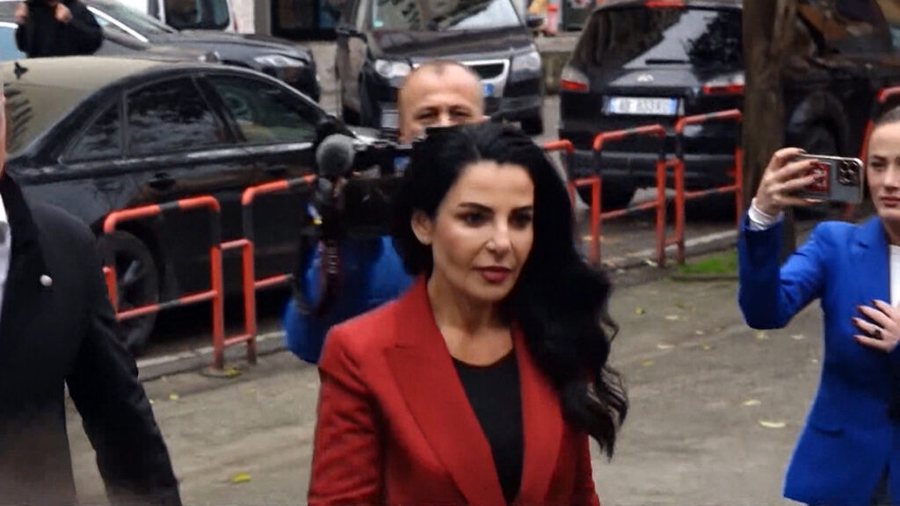
What happens in Parliament if a request is made?
Senior lawyers in Albania have not liked SPAK. Most of them are not sympathizers of Edi Rama and the majority, but they think that the General Prosecutor's Office is a more likely structure to undertake the operations that SPAK undertakes.
But this desire or idea of a part of traditional jurisprudence, even though we are not the England of "Common Law", is a part of legal thought.
Who here is confused as badly as a cat and a mouse when they argue on panels. After all, we have not really seen a constitutionalist debate, but today Era Markoçi brought it from the USA. A lawyer knowledgeable about the Albanian legal structure while being a professional who works in an aggressive and complicated terrain like the USA.
Her analysis of the Albanian government's clash with the Constitutional Court over the "Balluku" case was like a ruling from the Constitutional Court. Clear, logical, legally unobjectionable, but also practical to implement.
Precisely from Ms. Markoçi's approach, the question that arises spontaneously is, why did SPAK request a suspension of duties for Belinda Balluku, and not a classic security measure, which she would normally face in the Albanian Parliament?
Here the "flying with leeks" takes over because there are no or we do not have arguments. If SPAK were to take the case to the Assembly, at least it would leave the ball in the hands of the majority. Whether you accept it or not. That is, if they were to request house arrest, plus a search warrant, accompanied by evidence that has opened our stomachs in the media. The majority would make a decision, of course accompanied by a series of arguments from its people in the mandates committee.
Here the battle would make sense. Remember Arben Kraja's lonely battle when he requested house arrest for Sali Berisha in the Partizani case? He dismantled the attacks with one phrase: "he has violated the procedure for forcing him to appear, so we are requesting another measure." The logic cannot be disputed.
SPAK can normally request a confrontation in Parliament for security measures, and even has the possibility of a public display of its work. It has not done so, as it has chosen the short route. As was the case of Ilir Meta, where permission was not needed, Erion Veliaj, and the recent case of Balluk where they suspended him just for not going to Parliament. We can also add Ilir Beqaj, who they have forgotten there in prison even though the former minister has refused a summary trial, although otherwise, as the self-taught lawyers of the panels say, it is not an automatic admission of guilt.
What happens in the Assembly if a request comes? Very simple: The evidence is confronted, between the lawyers of the special prosecution and the Parliament. These two parties are really clashing in the matter, but the public is the third true one. Where, based on the questions and answers, more is learned about the file, the issue, the legal case than from the rampant propaganda and lined up by the media that are subjective.
SPAK's challenge with senior politicians will be that of Parliament, where television time, a predetermined framework, and even an injection from the circles that are already known for panels do not apply.
There will be a live confrontation, as happened in the Constitutional Court for the Veliaj case, where in reality that issue has had even more light than the horses of the apocalypse.
But SPAK does not seem to like this debate, which takes the measures it can; imprisonment when possible, or even suspension, when it can find a space. What about the trial? Ardit Gjebrea does a trial every week on his show under the direction of a well-known lawyer called Eni Çobani, why do we also do these confrontations of "big fish" on Arditi? At least until they go to court? One thing is super guaranteed; a large audience!


Lini një Përgjigje