


 Shkruar nga Klodian Tomorri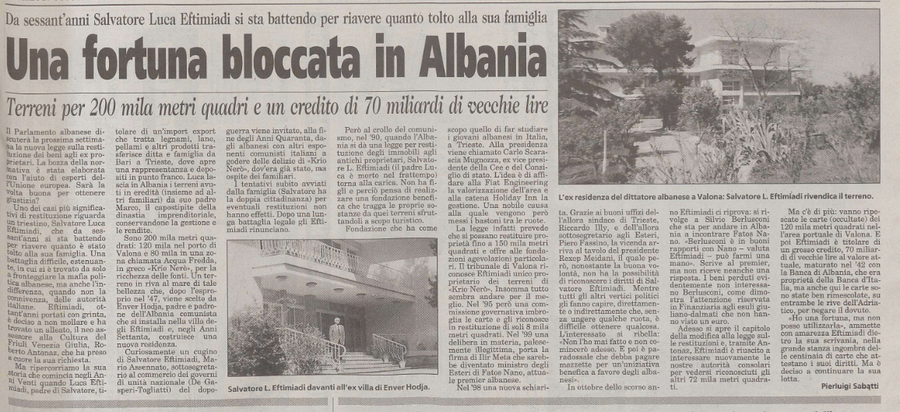
But as it turned out, neither the commander of the Coast Guard nor even the Italian government could help Salvatore Eftimiadh to get the properties, first seized by communism and later looted by gangs and the political mafia of Albania.
In 1992, the commander of the first squadron of the Italian Coast Guard deployed in Albania, was on leave in Trieste. Although at that time, a simple soldier, later this officer's name would become very well known and loved by Albanians. It is about Paolo Muner, one of the greatest Italian albanologists.
During his stay in Trieste, a mutual friend introduces the soldier Muner to an Albanian named Salvadore Eftimiadhi. There, the young officer would learn the tragic story of a prominent family from Vlonia, which for decades fought against a great injustice, the robbery of property.
"From the first meeting, Salvatore overestimated my capabilities, thinking that I could help him, as he had often done with others," writes the Italian soldier-turned-researcher in his memoirs.
But as it turned out, neither the commander of the Coast Guard nor even the Italian government could help Salvatore Eftimiadh to get the properties, first seized by communism and later looted by gangs and the political mafia of Albania.
History
The Eftimiadhs were a powerful merchant family in Vlora. At the end of the 800s, they moved and moved their business to the south of Italy. Soon after arriving in Bari, the Eftimiadhs established a shipping and trading enterprise. The main business of the family was import-export.
According to historical documents, the family developed the business in Bari until the 1920s. Then, Luka Eftimiadhi decided to transfer the family and the business again, this time to Trieste. But in addition to the large commercial business in Italy, the Eftimiadhs during this time also used the assets inherited from their grandfather Marko Eftimiadhi in Albania. It was about buildings and over 200,000 square meters of land in the area of the Port of Vlora and that of Cold Water, which the family had leased.
Everything was going well. Until 1944, when the communists came to power in Albania. Their land in Vlora was all nationalized by the communist government, while the villa of the Eftimiadhs in Ujin e Ftohte was chosen by Enver Hoxha as his government residence. Together with them, 10 million lire were also seized from the family, which they had deposited in the National Bank of Albania, a figure that, with today's value, is quoted at almost 50 million euros. In fact, the irony is great.
At the end of the 40s, a cousin of the Eftimiadhs, Mario Assenatto, who held the post of Deputy Secretary of Trade in the Italian governments of the De Gaspari-Togliati national union, was invited by Enver Hoxha together with a large delegation of Italian communists , to rest in the government villa that had been stolen from the Eftimiadhs. In that villa, Assenatto had previously been invited as a family member.
With the hope that the good relations between the Italian communists and Enver Hoxha would help him get their properties, Luca Eftimiadhi started his efforts from that time. But in vain. Enver Hoxha did not give in to anyone.
After decades of efforts, the family gives up. Not only because he realized that he could no longer take the property, but also because it was shrinking.
Luka Eftimiadhi had two children from his marriage. The first, Marco Eftimiadhi, joined the Italian partisans in the war against the fascists and was tragically killed by the SS Germans. The second, Salvatore Eftimiadhi, had no children and was the only Eftimiadhi left alive. This prompted him to surrender and end the decades-long war for his property.
From the communists to the mafia
But the political developments of the 90s, in Albania, brought back to Salvatore Eftimiadhi the hope that he would finally get what was his legitimate wealth. Left alone by the Eftimiadh dynasty, he no longer wanted the properties for the family, but wanted to open a foundation in Vlora, which would enable young people from Vlora to study at the University of Trieste.
However, as it turned out later, the political mafia that gained power after the 90s was even more ruthless than Enver's communists. Although the Court of Vlora recognized him by law as the heir to the property in Ujin e Tohte, including the government villa, the Property Restitution Commission falsified the papers.
At that time, few knew the history of the Eftimiadhs, whose properties had begun to be alienated with the firms of high-ranking Albanian governors. But she would find out a decade later.
"Berlusconi give me back my properties"
On October 17, 2002, the newspaper "Il Piccolo" would open on the front page with the headline: Berlusconi help me get my properties. The article came out one day before Silvio Berlusconi's official visit to Tirana, where he was to meet with the Albanian Prime Minister of the time, Fatos Nano.
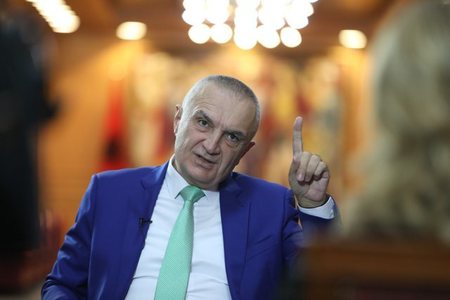
In the article explaining the tragic ordeal of the Eftimiadhi family, the newspaper accused the former prime minister, Ilir Meta, of blocking the return of the Eftimiadhi's properties through his firm. But neither Berlusconi's call for help nor Foreign Minister Fassino's official request to the then president Rexhep Mejdani had any result.
Shuarja e dinastisë
Salvatore Eftimiadhi ndërroi jetë në vitin 2008. Bashkë me të u shua edhe familja që dikur kishte qenë një nga më të fuqishmet, jo vetëm në Vlorë, por edhe në Trieste të Italisë. Eftimiadhët nuk arritën dot kurrë të merrnin pronat e tyre. Por Salvatore la pas Fondacionin Luca dhe Marco Eftimiadi, të krijuar enkas për të administruar pronën shqiptare për qëllime bamirësie ndaj komunitetit vendas.
I pafuqishëm për të çarë korrupsionin në Shqipëri, Salvatore Eftimiadi kishte përfshirë në bordin e fondacionit figura të fuqishme, përfshirë gjeneralin italian Francesco Lissi, ish shefi i Interpolit në Shqipëri, me shpresën se ata do të mund të realizonin dëshirën e tij, qoftë edhe pas vdekjes.
Por shpejt fondacioni do të zbulonte se një pjesë e pronës ishte tjetërsuar nga eksponentë të botës së nëndheshme. Në këto kushte Lisi vendosi të heqë dorë nga beteja gati një shekullore dhe negocioi me uzurpatorët duke arritur një marrëveshje.
Marrëveshje me bandat
Dy vjet më parë, gazetarja Lindita Çela publikoi një investigim, i cili ekspozoi për herë të parë emrat që qëndronin pas tjetërsimit të pronave të Eftimiadhëve dhe ata që e detyruan fondacionin të pranonte një marrëveshje për të rimarrë një pjesë të vogël të pronës.
Sipas dokumentave të publikuar nga Çela, fondacioni Luca dhe Marco Eftimiadi nënshkroi në vitin 2015 një kontratë me Artur Shehun, duke rënë dakord të pranonte tetë apartamente dhe tre hektarë vijë bregdetare. Asnjë nga këto prona nuk ishte fillimisht pjesë e pasurisë origjinale të Eftimiadhëve dhe fondacioni ra dakord të hiqte dorë nga çdo pretendim për tokën stërgjyshore. Marrëveshja e dhurimit u nënshkrua nga Pëllumb Petritaj, që përfaqësonte Artur Shehun dhe Alketa Ylli Orsini si përfaqësuese e fondacionit Eftimiadhi.
Por marrëveshja u prish shpejt. Fondacioni kishte menduar të ndërtonte një marinë të vogël që do të gjeneronte fonde për misionin e tij bamirës, i cili përfshinte ndërtimin e urave midis Shqipërisë dhe Italisë. Ky plan u ndal kur fondacioni kuptoi se toka e dhuruar ishte fituar me dokumente të falsifikuara.
Tashmë toka në fjalë është e sekuestruar nga prokuroria. Por saga e pronës së Eftimiadhëve do të dilte sërish në sipërfaqe këtë herë, nga emisioni investigativ Report në Rai 3. Gazetarët italianë intervistuan gjeneral Lissin, duke e pyetur për mënyrën se si fondacioni “Luca dhe Marco Eftimiadhi” përfitoi tokën nga Shehu.
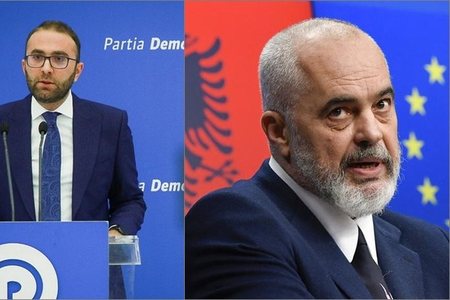
“Nuk e njihja këtë person. Rastin ma solli Ëngjëll Agaçi. Unë e besoja Agaçin, pasi ai ishte njeri i besuar i kryeministrit shqiptar, Edi Rama” deklaroi Lissi.
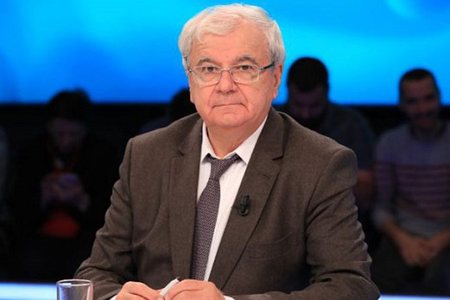
However, Mr. Agaçi has a slightly different version. "On 31.03.2012, as a lawyer, I took on a formal task from the Court of Trieste, on behalf of the then Curator, to follow the documentary and material events of the True Trust of the late Mr. Salvatore Eftimiadi. I stopped the activity in question after I took the aforementioned institutional function and I communicated it to the curator first verbally and then officially from the Law Studio, of which I was a part" - says Agaçi who denies that Artur Shehu was his client .
An ordeal of robberies, started almost a century ago. This is the tragic saga of the Eftimiadhs whose properties were seized by Enver Hoxha, but robbed by crime and corrupt post-communist governments.


Lini një Përgjigje