


 Shkruar nga Ben Andoni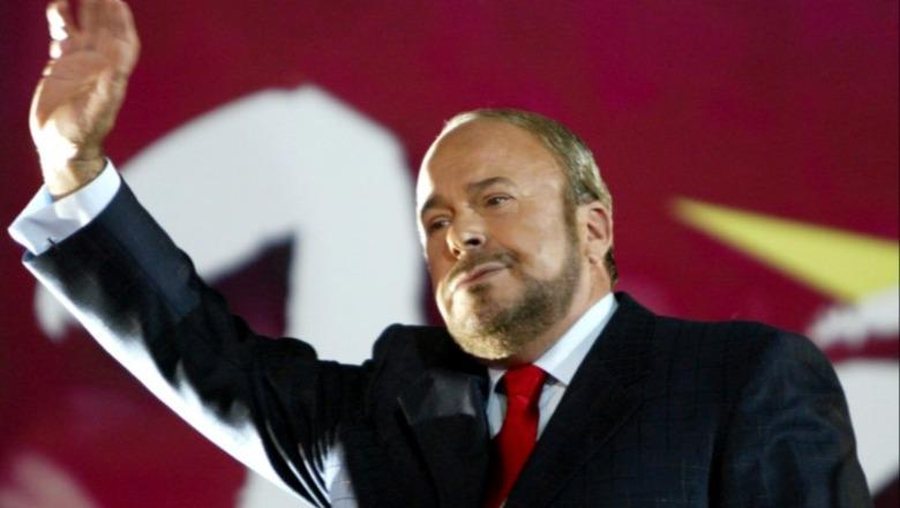
Albanian personalities, especially those after the '90s, are scattered across cities and in various plots in funeral spaces that, it must be said, in our country do not correspond properly to what we think and desire for public respect.
The death of former Albanian Prime Minister Fatos Nano has brought a long line of tributes from countless ordinary people, colleagues, relatives, politicians from both sides and diplomats. In a carefully curated protocol line, the Albanian state, especially the Executive of Mr. Rama and the responsible people, have shown a lot of class in the funeral honors of this type, as well as in international summits in the organizations. But, when it comes to the moment of eternal rest, where the state's legacy is layered and carries the organizations of structures at different times, then the work is lame.
Albanian personalities, especially those after the '90s, are scattered in different cities and plots in funeral spaces that it must be said that in our country do not correspond properly to what we think and desire for public respect. It is time for a Pantheon, but rather a space dedicated to distinguished individuals and, this repeated request, always raises its head in moments when we have the death of personalities from different fields and where the natural question that arises is: Where will they rest?!
A Pantheon or more precisely a “place of honor” constitutes a prominent space in a civil cemetery, which not only provides the necessary and respected space for the deceased, but also creates a parameter of comfort and tranquility for relatives and friends. That place also serves as a part that can help the historical and cultural heritage, but also as a place of evocation, where contemporaries look and reflect on the natural destiny of each individual. On the other hand, the maintenance of this space by contemporaries, in different times, powers and periods shows the quality of the moral aspect of a society and the respect for its history. And, even more, they serve as an open museum, where architecture, history and sublimity teach and tear to judge and meditate.
Albania has one, but it is extremely unkempt and extremely confusing in the hills of the Artificial Lake, where in a few square meters lie the Frashëri brothers, Faik Konica, Mit'hat Frashëri, British soldiers who fell during World War II, and a little further on, their sworn enemies, the Wehrmacht soldiers who fell in Albania. Imaginable paradoxes, but united by a great truth: Destiny is natural, one and only, and it is called "Death".
The understanding of a Pantheon of all the figures in the country, as well as the designation of a specific area, which is respected and maintained, not only gives dignity to the memory of the deceased but also constitutes a fundamental aspect of many cultural and religious traditions. So far, we have done so to some extent with the Cemeteries of monarchs and Martyrs, but not with the personalities who have lived with us and whose contribution is tangible and has had such a profound impact on society.






Sa me shpejt i shkofshin nga pas ne varreze komshij, Rama, Saliu kerrma me gjithe hajdutet. Ta bejne nji lagje varresh veç me maskarenj