


 Shkruar nga Afrim Imaj
Follows from Part One and Part Two
"I had teacher Sali Berisha. It was a privilege to be his student"
The events of '97 reminded me of the Kinshasa of my childhood
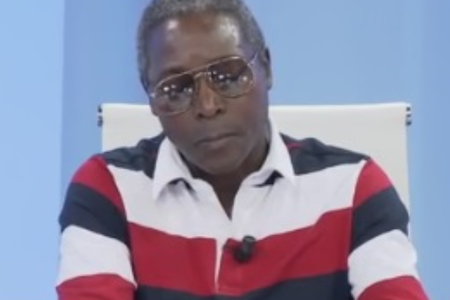
"Albanians are not racist and do not recognize religious division." This is how the Congolese, who has been Albanianized for decades, answers when you ask him what keeps him connected to the people of our country. According to him, for a country, for a nation, for an ethnicity, this is more than an ordinary value of civilization. However, for Urbain, not everything shines even among Albanians. When it comes to things that resonate in our realities, he instantly remembers the events of '97, with a somewhat special perception: "The events of '97, he says, reminded me of Kinshasa in
childhood. I said that for a moment everything was broken. I said that Albanian harmony could go this far. Yes, thanks to God, things were closed quickly...". However, according to him, the instinct of '97 sleeps somewhere and occasionally raises its head in different forms. The doctor of African origin also assesses the chaos in which our Parliament falls from time to time...
I felt very good in Vora, I owe a lot to its residents
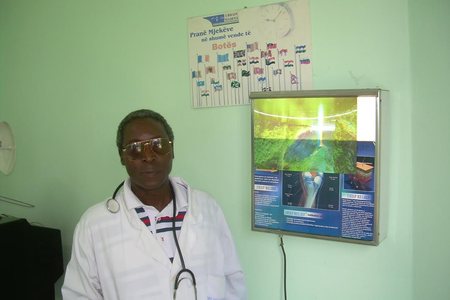
For years, Urbaini, or Arbeni, as everyone who knows him calls him in Tirana, has worked as a doctor in the hospital center of Vora. He specializes in the diagnosis of rheumatism, but most of the time he deals with various medications. He does not have an official schedule and he does not only visit the ambulance, but wherever he is called, in the city, in the village, in the farthest house, where someone is sick and asks for his help. It is clean and pleasant at all times, the citizens of Vora say about it. By the way, Arbeni is also an emergency doctor in the neighborhood where he lives.
Day and night, his neighbors say, dozens of people knock on the doctor's door, and in every case the same answer is heard from his mouth: "Here I come!". More than that, they tell you that he can be one of the rare doctors who never asks you for money for the service he provides. In short, the doctor of African origin has earned a good name among all who know him and among those who need his help. When you ask him if he thinks of moving from the city of Tirana, Urbaini says that he feels very good here and owes a lot to his citizens. But when it comes to wishes, he singles out only two of them: to visit Kinshasa, his birthplace, and to find an opportunity to search for his father's remains.
DETAIL
"I don't even know my father's grave. I met my mother after 30 years"
“Babai ka qenë mjek i talentuar dhe i njohur në Kinshasa. Ka qenë ndërkaq një intelektual progresist. Në qeverinë demokratike u thirr për të bërë detyrën e ministrit të Brendshëm. Pas grushtit të shtetit u arrestua. Mbaj mend kur e morën brutalisht dhe me armë te fyti. Kam qarë me dënesë deri pas mesnate. Babi iku dhe nuk u kthye më. Thanë se e vranë kur e mbanin në qeli. E vranë dhe e hodhën diku. Edhe sot e kësaj dite nuk ia dimë varrin”. Bashkë me këtë ngjarje të dhimbshme, Urbain Masena shton se nga i ati ruan si kujtim dëshirën për t’u bërë mjek, për të trashëguar profesionin e tij. “Nëse arrita ta përmbush këtë amanet të tim eti, - thotë mjeku nga Kinshasa, që shërben në Tiranë, - për këtë u jam mirënjohës shtetit dhe shoqërinë shqiptare që më dhanë mundësinë për t’u kualifikuar, në një kohë kur ky profesion ishte shumë i rezervuar edhe për vendasit”. Po për Urbainin nuk ka qenë tragjike vetëm ndarja me të atin. Një ndarje dramatike e të dhimbshme ka pasur edhe me nënën, që e ka dashur, siç thotë ai, si sytë e ballit. “Për vite me radhë nuk e dija ku ishte, thotë Urbaini.
Vonë shumë vonë e mora vesh se jetonte me njërin nga vëllezërit në Suedi. Bëra përpjekje për të shkuar, po ishte e pamundur. Ishim në kohën e komunizmit dhe dalja jashtë shtetit ishte e pamundur. Vetëm në vitet e demokracisë munda ta takoj. Ishte thinjur e plakur nëna ime. Kishte kaluar një jetë pa një lajm për djemtë dhe të shoqin. Një dramë të pashoqe kishte përjetuar ajo. Ferri është pak më thoshte atë ditë kur u takova me të në Suedi. Nuk kam për t’i harruar kurrë lotët e përmalljes gjatë atij takimi...”
detaj
“Kam pasur pedagog Sali Berishën. Ka qenë privilegj të ishe student i tij”
“Nuk kam qenë i privilegjuar pse kam pasur pedagog Sali Berishën, njërin nga protagonistët kryesor të politikës shqiptare të viteve të demokracisë, por kam qenë në auditorin ku ka kumtuar me pasion e profesionalizëm njëri nga personalitetet e bluzave të bardha”. Këtë fakt ai e veçon me një ndjenjë krenarie, që e dallon qartë në vështrimin e ndezur të syve të tij. Ndërkaq shton se Berisha ka qenë mjeshtër i mësimdhënies, por edhe njeri korrekt e me kod moral, të mrekullueshëm e njerëzor, vë në dukje ai. Ai kujton rreptësinë e tij ndaj vesit, mungesës së vullnetit dhe sjelljes vulgare. “Doktor Berisha, për mua, është shembulli i njeriut këmbëngulës në përmbushjen e bindjes së tij”, thotë Urbaini. Sa për politikën që ushtron nuk është më kurrë ai profesori i mjeksisë. Me sa duket politika i ka dhënë tjetër profil. Kongolezit të diplomuar si mjek në Tiranë i ka qëlluar të punojë edhe tre muaj pas studimeve në klinikën e fiziopatologjisë, në kohën kur ajo drejtohej nga doktor Berisha.
The impression of the best preserves for fatherhood and the high demand of the account that he demonstrated during the exercise of the task. "Above all," Urbain emphasizes, "for Dr. Berisha, tipping was death." The gangrene that rules today in a part of the white shirts has been his biggest enemy". He also mentions some of the names of other lecturers, such as Josif Adhami, Koço Poro, Petrit Gaçe, Kristaq Mosko, Argjend Tafaj, etc., to whom he owes a lot for the influence on his professional formation. He had the opportunity to attend specializations abroad, such as in Belgium, Sweden, the Czech Republic and elsewhere, where he benefited quite a bit, but what he received from the Albanian professors sets him apart much more. Anyway, for Urbain, doctor Berisha "remains a doctor with a big heart and a wonderful teacher". End! / Pamphlet


Lini një Përgjigje