


 Shkruar nga Pamfleti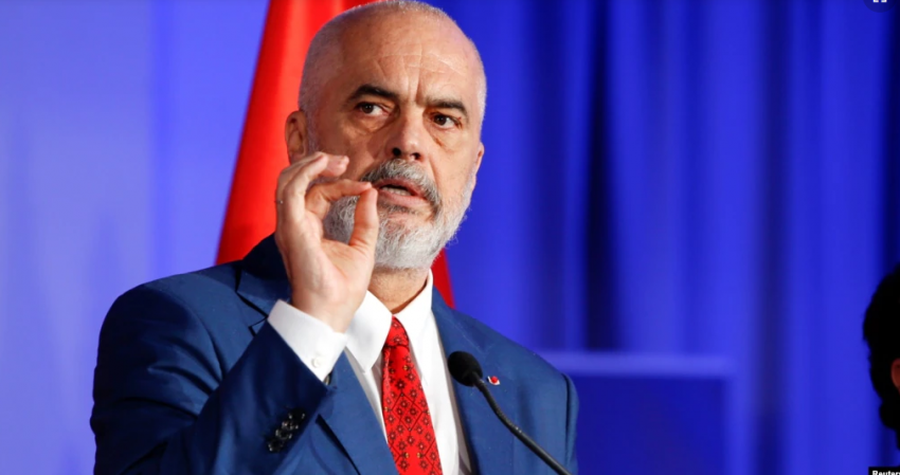
The government changes the law on foreign policy, Rama takes over the appointment of ambassadors and avoids the Assembly...
Prime Minister Edi Rama has decided to take the appointment of ambassadors into his own hands, avoiding the Assembly.
Historically, each candidate for ambassador went to the Foreign Affairs Commission and then his name went to the President. Even though the sessions have been face to face, in legal terms the Assembly was seen as a control step before the name was sent for decree.
However, the Prime Minister has decided to give this right to the Assembly only after the name has been decreed. So a worthless move, since what is the point of the ambassador appearing in a hearing after being appointed?
This is revealed in the new law on the foreign service, which has been submitted for consultation. According to him, the names of the ambassadors from now on will be taken by the Prime Minister to the President, bypassing the Assembly.
"1 . The diplomatic mission is headed by the Ambassador or Chargé d'Affaires. 2. The Ambassador is appointed and dismissed by the President of the Republic, no later than 30 days after the Prime Minister's proposal. 3. The Minister presents to the Prime Minister the proposal for the appointment and release of the ambassador. 4. After the appointment by the President of the Republic, the Ambassador presents the relevant platform in a hearing before the Commission for Foreign Policy ", the law states.
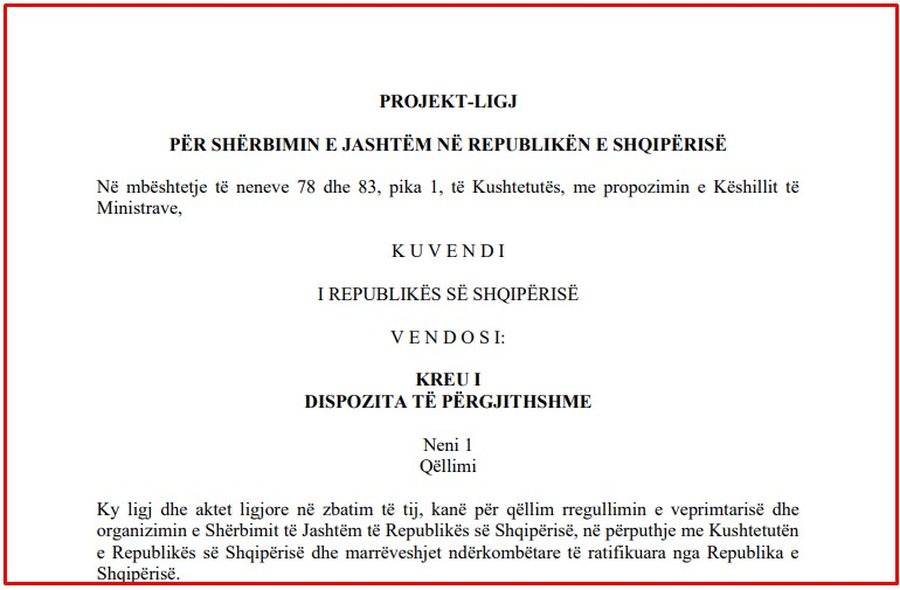
Another development is that the government has decided to change the mandate of diplomats from 3 to 4 years. This action comes after the appointments in the main diplomatic headquarters of the prime minister's loyalists.
" The mandate of the head of the diplomatic mission is four years. The head of the diplomatic mission cannot exercise more than two consecutive mandates in diplomatic missions and consular posts. The head of the diplomatic mission, in the case when the diplomatic representation is at the level of a permanent official, is appointed by the Minister. In the conditions of the temporary absence of the head of the mission, the direction of the diplomatic mission and the functions of the person in charge pass, as a rule, to the diplomat with the highest rank, unless otherwise decided by the Minister ", the law further states.
The legal proposals for the foreign service come nine years after Edi Rama decided to abolish the limit of 20% of candidates he could recruit outside the diplomatic career system, from the ranks of prominent personalities in fields such as international relations or economy, culture or science. In practice, the removal of this limit opened the way for the diplomatic career of some of the functionaries of the Socialist Party.
Even in the new draft, a path is still left open. " 1. The head of the diplomatic mission is selected from among career diplomats with a high rank, not less than adviser. 2. In special cases, based on the interests of the foreign policy of the Republic of Albania, the Minister proposes to the Prime Minister candidacies for the head of the diplomatic mission outside the diplomatic career system, prominent personalities in the field of international relations, law, economy, culture, science or civil society, with a connection or beneficial relationship with the host state ", it is stated in article 33.
The door of customer appointments is also left to the staff of the embassies. In article 37 it is stated that appointments can be made from outside the system: " The personnel of diplomatic missions and consular posts may also include officials appointed by the Minister, based on an agreement with ministries or other state institutions, to perform duties in economic, legal, cultural, scientific, defense, security and any other field, for a specified time. During the time of service in the diplomatic mission or consular post, these officials enjoy the same status as diplomats and, after the end of this service, return to the previous position, or to a position equivalent to it. The procedures for their appointment and financial treatment are regulated by the decision of the Council of Ministers. Expenses for this category of employees are borne by the sending institution . / Pamphlet








Lini një Përgjigje