


 Shkruar nga Pamfleti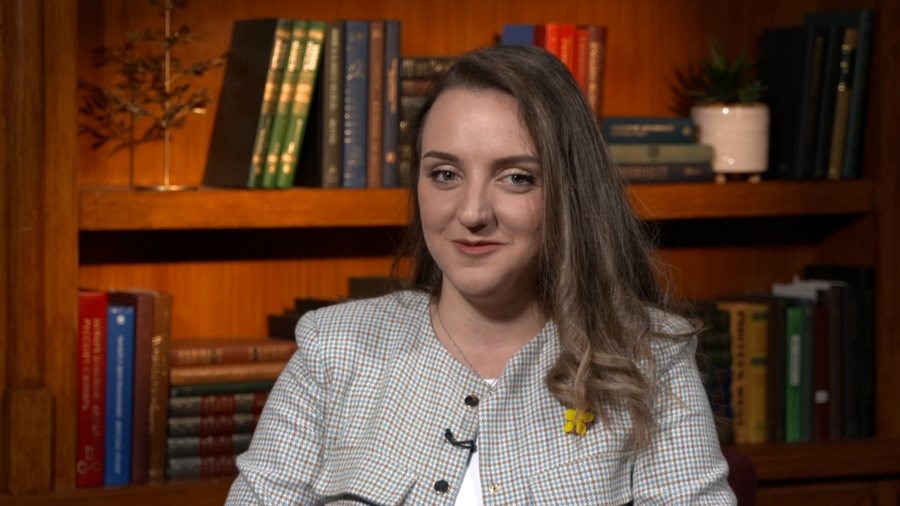
The prejudices faced by survivors of rape during the war in Kosovo, according to activist Dorina Babuni, makes this group feel guilty for what happened to them. Ms. Babuni, one of the most experienced activists from the "Medica Gjakova" organization, helps and collects data for rape victims during the war in Kosovo. During the interview with Voice of America, she says that a report in which she and other activists have worked over two years with the survivors will be published in September. The activist from Kosovo, who is staying in the United States as part of the State Department's International Visitor Program, says most survivors refuse to speak publicly because of the stigma they continue to face 25 years after liberation. of Kosovo. Colleague Artan Haraqija talked with Mrs. Babuni.
Voice of America: A report on which you worked for two years with survivors of sexual violence during the war in Kosovo is expected to be published soon. Can you tell us something about this report?
Dorina Babuni: The report, which will be published in September, is a study on the long-term consequences of sexual violence during the war in Kosovo. It was made by the organization "Medica Gjakova" in cooperation with "Medica Mondial", our partner organization in Germany, and shows what are the consequences of sexual violence during the war in Kosovo, what are the strategies that the survivors used to recover, that to restart their lives. The report also deals with the survivors' perspective on the people's awareness, the situation they are in, and what impact what happened to them had on their lives.
Voice of America: Through the report you have shown that stigma is the main problem they face. It is not only the heavy act that they experienced, but also the very heavy experiences after the war from society, from the district and the family. Can you share with us any of the experiences that survivors have shared with you?
Dorina Babuni: The stigma is what we, together with the survivors, are trying to fight every day because the blame is still unjustly placed on their shoulders. Everyone takes the blame on themselves. This is the trauma they live with. Some of the stories we've been told are how they've thought about ending their lives, or how they've lived with the feeling that everything in their lives could be destroyed if they told what happened to them. There are cases where they are afraid that the husband will throw them out of the house if he finds out what happened. There have been other cases where they have confessed that their parents practically kicked them out of the house 'because it is the shame of the family'. The whole fear is that if they come out openly to tell what happened to them, they will become the shame of the family, they will become the shame of the society. Most of them try to carry this secret, this suffering, with them to the grave. We try to provide support to help them share this experience with others. The moment they share this story with others, that's when healing begins.
Voice of America: 25 years have passed since the end of the war and there are still cases that no one knows about from the family? You know, but haven't told any family members?
Dorina Babuni: There are still many cases. Unfortunately, there are many and we are trying to do this through various activities, through the direct services that we offer in the organization, through various activities to raise awareness in society to accept them as they are. We have to give them support because it's a very sensitive group, it's a group that has experienced a lot of terrible things and all they need is our support. They do not have this support. There are some of them who have revealed their secret or their confessions only in the organization.
VOA: So is there a reason why only two of the survivors have come forward to tell their rape stories?
Dorina Babuni: Exactly, it's all those reasons I mentioned and many others that have influenced them not to come out openly and talk about what happened to them.
VOA: In recent years, your organization has helped the process to secure pensions for rape survivors. There have been complaints from survivors about the time limits imposed on this process, then about the verification by the government commission... Where are the objections?
Dorina Babuni: It's all about the feeling they have when they face the interviews. We are talking about an event that happened 25 years ago, that happened during the war, and sometimes the commission asks for some things that are difficult to find. They ask for additional documents, they ask for some things that made the survivors feel uncomfortable.
Zëri i Amerikës: Për çfarë dokumenti shtesë bëhet fjalë, apo çfarë dokumenti në përgjithësi mund të prezantojë një e mbijetuar e dhunës seksuale gjatë luftës?
Dorina Babuni: Nganjëherë edhe ne mundoheni t’i kuptojmë se çfarë dokumenti shtesë kërkojnë. Bëhet fjalë për disa raporte mjekësore, nëse kanë, pra gjithmonë çështja është nëse i kanë. Kërkohet për ndonjë dëshmitar, pasi ka raste kur ka anëtarë të familjes që janë dëshmitarë sepse kanë ndodhur dhunime në grup. Kemi raste kur janë pesë apo gjashtë motra.
Zëri i Amerikës: Të gjitha të përdhunuara gjatë luftës?
Dorina Babuni: Po, po të gjitha. Ka dhunime grupore, pra ka gjëra të tmerrshme që me të vërtetë kanë ndodhur dhe ne gjatë gjithë kohës po punojmë që së pari ky afat të hiqet fare sepse është e pakuptimtë të ketë afat kohor për statusin. Ne tek ‘Medica Gjakova’, së bashku me organizatat anëtare të platformës “Bëhu Zëri Im” po mundohemi gjatë tërë kohës që të heqim afatin. Po ashtu po punojmë që komisioni ta bëjë më të lehtë intervistën për identifikimin e të mbijetuarve. Ne i kuptojmë protokollet që qëndrojnë, jemi të vetëdijshëm për këtë, por jemi po ashtu përkrahëse të idesë që të ketë qasje më të ndjeshme ndaj stresit dhe traumës dhe për këtë po punojmë.
Zëri i Amerikës: Ka patur raste kur Komisioni nuk ka pranuar t’i njohë statusin e të mbijetuarës një prej grave që ju besoni fuqishëm se ka qenë e përdhunuar gjatë luftës?
Dorina Babuni: Ka refuzime të tilla, por pastaj kemi procese të tjera ku përfshihet përpjekja jonë duke dërguar ankesa, bëhet rishqyrtimi i rastit dhe pastaj, në shumicën e rasteve, pas rishqyrtimit, iu është dhënë statusi.
Zëri i Amerikës: Për numrin e saktë të tyre janë dhënë shifra të ndryshme, është thënë se numri shkon nderi në 20 mijë – është e saktë kjo?
Dorina Babuni: Ka një debat të gjerë mbi këtë numrin 20 mijë. Kjo shifër ka dal prej CDC-së (Center for Disease Control – Qendra amerikane për Kontrollimin e Sëmundjeve), pas përfundimit të luftës. Ne besojmë fuqishëm që ka shumë të mbijetuar pavarësisht se ka pak nga ata që kanë dalë hapur, apo kanë aplikuar për procesin e pensionit. Mirëpo të gjitha rrethanat, të gjithë situatat brenda shtëpive të tyre i pengojnë ato të dalin hapur dhe kjo mund të ndikojë që në raporte ky numër të mos jetë 20 mijë. Por, unë besoj fuqishëm nëse nuk janë 20 mijë, ky numër megjithatë është shumë, shumë i madh. Këtë e dimë nga puna jonë, e dimë kur rrëfejnë duke thënë: ‘unë kam ardhur, por nuk kam mundur të bind edhe një shoqe, një kushërirë apo një të njohur që e dinë që i ka ndodhur, por ajo nuk ka mundësi të vijë. Këto janë deklarata që i kanë thënë vetë të mbijetuarat. Nëse kështu thonë, ne menjëherë e bëjmë një plus një, sepse e dimë që qenka edhe dikush tjetër, përpos asaj që ka ardhur në organizatë.
Voice of America: What are the arguments that you believe convince a woman to appear before the commission, considering the risks if it is understood that she is a survivor of sexual violence?
Dorina Babuni: The support of organizations that have been working with these survivors for 25 years also plays a big role here. It is the support we offer them every day because we work with a 'victim-centred' approach. From the support offered to them, from the work of the counselors who are with them all the time. So, they have been empowered to a certain extent and they want the state to be informed about them, to understand that there is a survivor here. Most of them understandably also apply for financial support as we all know the economy, we all know how necessary a pension can be. There are also those who apply just to say, and here I am quoting one: 'let them know that I am, I don't want the pension - but let them know that I am here'. We encourage them all the time to apply because even if it's a symbolic amount, or it doesn't solve all their problems, it's still a help. We encourage them to apply as it helps them financially, it helps them emotionally knowing that they have earned the status and it also helps in our recovery as a state and for their numbers to be known and history to know what happened.
Voice of America: You said that the number of survivors of sexual violence during the war is very high, but the number of those who have been sued is very small...
Dorina Babuni: Unfortunately, the crime is still unpunished, but we are working in this direction. There is a lot of work because time has passed and a large part of the survivors do not feel the strength within themselves to face this process as well. However, it is equally important and equally necessary that we as an organization, as a society, as a state, all focus on the work that must be done to punish what happened.
VOA: You're in Washington as part of the State Department's International Visitor Program – can you tell us a little about the visit?
Dorina Babuni: We are part of the program that aims to approach trauma and take care of the consequences of traumatic issues that occur. My visit to Washington, as it is also my first time here, is wonderful. We are meeting important people who are enriching us with information. We are a diverse group, we come from different countries with different professional backgrounds, but what we all have in common is that we are working for the individual, we are working to heal trauma. We must thank the state of America for providing us with incomparable examples in this regard and enriching our professional journey. / VOA




Lini një Përgjigje