


 Shkruar nga Pamfleti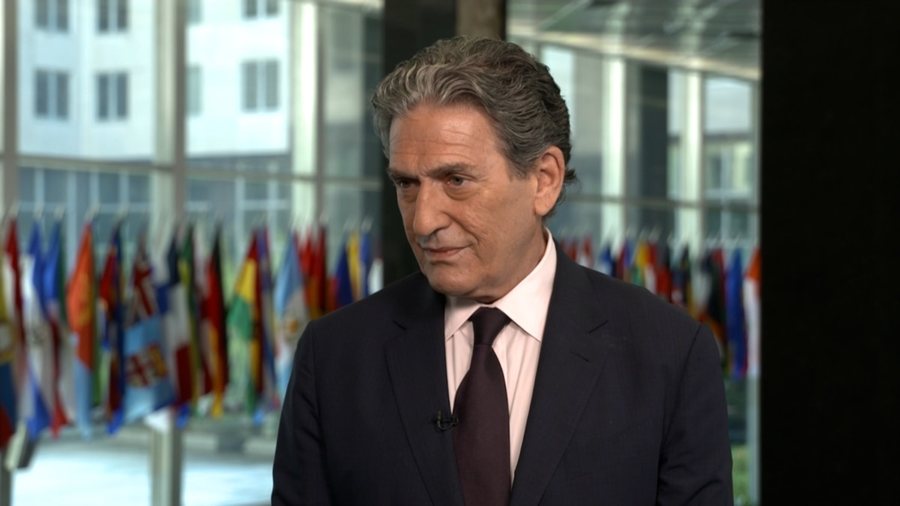
Special envoy and coordinator of the State Department's Center for Global Engagement James Rubin told VOA that it is difficult to imagine the normalization of relations between Kosovo and Serbia without recognition. The senior American official, who played an important role during the war in Kosovo, says that there are currently concerns about the way the Kosovo government is playing its role in the diplomatic aspect, not fulfilling the request for the establishment of the association. In an interview with his colleague Garentina Kraja, Mr. Rubin also talks about the concerns regarding the disinformation campaign spread by Russia and China in the Western Balkans.
VOA: Mr. Rubin, the US State Department recently announced a joint initiative with the European Union to combat Russian and Chinese disinformation and propaganda in the Western Balkans. What challenge are you facing?
James Rubin: Disinformation and information manipulation are one of the greatest threats of our age, and it has taken the West time to understand the scale of the information war that Russia and China have waged against us. Therefore we need to work harder to protect ourselves from this threat. The initiative for the Western Balkans aims to help the countries of the Balkans, those that want to join the EU, that are working to meet EU standards, to draw up procedures, policies, plans, to raise capacities, so we are drawing up what we call it the framework to combat foreign information. We have signed memorandums of cooperation with several Balkan countries to help them face this challenge.
Russia uses disinformation all over the world, but especially in the Western Balkans. They are operating through (Russian news agency) 'Sputnik Serbia', through 'RT Serbia' which unfortunately still continues to broadcast. And because many countries speak the same language in the Western Balkans, this kind of information is used, reused and manipulated.
We are trying to help the countries of the region to protect themselves against them, bearing in mind that all of them who want to join the EU must meet EU standards, and one of them is to prevent the manipulation of information in their countries. We are trying to help them get ready for this and in the process we hope that they will improve cooperation with each other.
VOA: Regional experts say that the Western Balkans is an unfinished project and that Russia is using the prevailing tensions to strengthen itself. Is the region a battleground where Russia and the West are fighting for people's minds and hearts?
James Rubin: I don't think it's about battle. The values of the West, the values of the United States, I believe, dominate in Europe and in the countries that want to be part of Europe. Unfortunately, Russia continues to try to use the problems between Kosovo and Serbia by threatening to veto Kosovo's membership in the United Nations through false claims that Kosovo may become a terrorist state. Russia uses all kinds of other forms of disinformation to deny Kosovo membership in Interpol, UNESCO and other steps.
Russia tries to foment disruption, while the United States, along with our friends and allies, are trying to overcome the terrible days of the past, while the Russians try to keep them alive.
Voice of America: Kosovo just marked the 25th anniversary of liberation and the end of the war. You played an essential role in ending that conflict. Can you share your thoughts with us? Was NATO's intervention the right decision?
James Rubin: I think there is no doubt that NATO made a strong decision to prevent possible genocide against the people of Kosovo. The operation we undertook was successful. We achieve our goals. The Serbian forces left Kosovo, Kosovo became a democratic, independent state with democratic values, a friendly country of the United States, a close partner of the United States, and the whole thing was achieved with minimal risk to the lives of Americans. President Biden was a clear supporter of the war in Kosovo and the reason why we undertook it. I am very proud of the role I played in supporting Mrs. Madeleine Albright and President Bill Clinton, to help liberate the people of Kosovo, to save them from mass murder.
But I want to make it clear that I am speaking to you today as an official of President Biden's administration, and what I did, or did not do 25 years ago, does not change what I say as an official of President Biden's administration. My comments represent the policy of President Biden's administration. I would ask for the understanding that we give to the President of Serbia, who has played a major role in Milosevic's government, but we do not raise this issue with him. We don't actually mention it to him when we meet him. But unfortunately there are people in Serbia who, whenever I speak on behalf of President Biden's administration, associate it with 25 years ago. I ask for the same understanding as we give to the president of Serbia in this regard.
Voice of America: Today, relations between the United States and Kosovo have gone through tense moments this year, and according to observers, they are at their lowest point. How do you see the current situation?
James Rubin: Qartazi ka shqetësime për mënyrën se si qeveria aktuale ka vepruar në aspektin diplomatik duke mos përmbushur (kërkesën) për krijimin e asociacionit. Por, thënë troç, jemi miq, jemi miq të mirë. Kjo është dëshmuar kur kam qënë në Kosovë, kur sekretarët e shtetit kanë vizituar Kosovën, kur Presidenti Clinton shkoi atje... populli i Kosovës dhe populli i Shteteve të Bashkuara nuk ka si të jenë më të afërt dhe nuk mendoj se ka dilemë rreth kësaj çështjeje. Por, po, në aspektin diplomatik, marrëdhëniet nuk janë aq të mira aktualisht, por kjo ndodh për shkak se çështja Kosovë-Serbi vazhdon të jetë barrë për banorët e rajonit.
Zëri i Amerikës: A ka ardhur koha për një strategji të re të Perëndimit, për një fillim të ri në dialogun Kosovë Serbi, tani që dërguarit e rinj posaçëm ende nuk janë emëruar?
James Rubin: Miku im i ngushtë Jim O’Brien është Ndihmës Sekretar i Shtetit për Çështjet Evropiane dhe i kam premtuar se nuk do të ndërhyj në punën e tij. I takon atij të vendosë, të përcaktojë politikën amerikane në Ballkan. Përgjigjen ndaj kësaj pyetje do t’ia lë atij, por dua të shtoj se tek fusha e informacionit, ku unë luaj rolin tim dhe ku Jim O’Brien dhe unë punojmë së bashku, dëshirojmë të shohim një fushë informacioni në Ballkanin Perëndimor të lirë nga dezinformimi rus, të lirë nga manipulimi kinez i informacionit dhe për këtë qeveria e Serbisë duhet të bëjë ndryshime.
Zëri i Amerikës: Cili është synimi përfundimtar i procesit të dialogut, i procesit të normalizimit? Në Kosovë Ambasadori Hovenier thotë se qëllimi përfundimtar duhet të jetë njohja e ndërsjellë. Në Serbi, Ambasadori Hill thotë se njohja nuk është kusht i BE-së si pjesë e këtij procesi. Cili është synimi përfundimtar?
James Rubin: Nuk do të dëshiroja të futesha në mes të dy ambasadorëve, por mund të them se qëndrimi amerikan është që qëllimi afatgjatë i normalizimit nënkupton njohje. Është vështirë të imagjinosh normalizimin e marrëdhënieve ndërmjet Kosovës dhe Serbisë pa njohje dhe fakti që disa shtete të tjera që janë pjesë e BE-së, nuk e njohin Kosovën, nuk ka lidhje me qëndrimin amerikan. Kosova dhe Serbia kanë probleme. Probleme duhet të zgjidhen. Ato duhet të normalizojnë marrëdhëniet. Ky është kuptimi i standardeve të BE-së. Si amerikanë ne nuk i themi Bashkimit Evropian se çfarë duhet të bëjë. Prandaj pikëpamjet e ambasadorëve amerikanë për atë mendon BE-ja nuk janë të rëndësishme. Me rëndësi është cili është qëndrimi ynë dhe qëndrimi ynë është të propozojmë që normalizimi të përfshijë njohjen e ndërsjellë të dy vendeve.
Zëri i Amerikës: Në kohën që bota është përfshira nga trazira të shumta, kur po sfidohet rendi botëror i krijuar pas Luftës së Dytë Botërore dhe kur demokracitë po sprovohen në baza ditore, cila është e ardhmja e shteteve si Kosova?
James Rubin: There is no doubt in Kosovo. I've been there. I don't see Russia and China extending their influence in Kosovo. The people of Kosovo have made great progress. I was there during the darkest days and chapters for him. I have seen it develop from a war zone with destroyed cities to a place that now looks like any other modern European city. I am not at all worried about what values the people of Kosovo will define, about the democratic values of America, or of authoritarian states that want to change the international system. There is no competition. The people of Kosovo are pro-American.
VOA: And finally, do you have anything else to add?
James Rubin: No, but I would add that it's often difficult when diplomacy stalls to appreciate the great progress that has been made. I call on the people of Kosovo to understand how much has progressed in these 25 years from a period when people's lives were in danger to a period of basic freedoms, with a functioning democracy, an improving economy and the real possibility to united with the EU that depends on them, on their own government, that now they can choose their own destiny. As an American official, we will make sure that they are able to decide for themselves. But they have to make the choice and we hope they will. / VOA


Lini një Përgjigje