


 Shkruar nga Pamfleti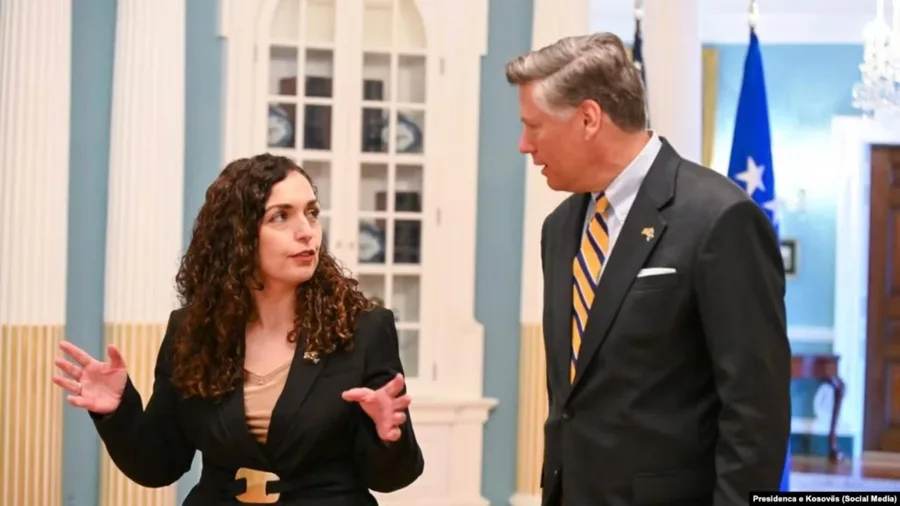
Energy, defense, and digital innovation are sectors where Kosovo-US cooperation can bring mutual benefits, but only when Kosovo streamlines its internal processes.
Economic experts explain that a stable legal and economic environment, free from bureaucracy and irresponsibility, is essential to attract American investors and guarantee their protection.
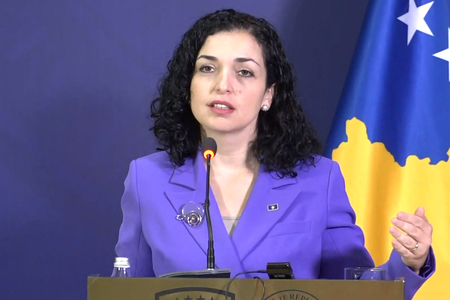
This approach also seems to coincide with a new orientation for Kosovo – at least according to the statements of President Vjosa Osmani.
During a visit to the United States last week, she said that Kosovo is very interested in a new type of relationship with the US, one that will be based more on economic interests, and she singled out energy, defense, and information technology as key areas for joint development.
Upon her return, she said she received confirmation that the United States sees Kosovo as a strategic ally.
The US Embassy in Pristina did not respond to Radio Free Europe's request to explain where the US sees the greatest potential for increasing economic cooperation with Kosovo.
But, according to Arian Zeka, president of the American Chamber of Commerce in Kosovo, the main opportunities are in defense and security, in building gas infrastructure to reduce energy costs, and in developing the digital economy, including cybersecurity and artificial intelligence.
Between potential and obstacles
He lists several reasons that, he says, make Kosovo an important strategic partner for the US and an attractive destination for investment – among them: Kosovo's geographical position, its young and educated workforce, and competitive fiscal policies.
But, despite this potential, there are also serious obstacles that could deter the interest of American investors.
Zeka emphasizes that reforms must continue, as the country's institutions are still young and the legal framework remains fragile.
This, he says, often causes inaccurate or slow decision-making, while the global environment is changing rapidly.
"Kosovo should further engage in strengthening the rule of law, in avoiding actions that could increase legal unpredictability, as well as in increasing investor protection, through improving the efficiency of the courts," Zeka tells Radio Free Europe.
Along similar lines, the president of the Kosovo Chamber of Commerce, Lulzim Rafuna, expresses concern that without deep reforms in the rule of law, education, health and other areas, the confidence of American investors will remain lukewarm.
Ai thekson gjithashtu se diplomacia ekonomike – si promovim aktiv i interesave të Kosovës në arenën ndërkombëtare – është thelbësore për të tërhequr investime dhe për të fituar besimin e partnerëve të huaj.
“Politika duhet të bashkëpunojë me Departamentin amerikan të Shtetit dhe me Shtëpinë e Bardhë, duhet ta rregullojmë imazhin e vendit, të dëshmojmë se Kosova nuk është shtet problematik në Ballkan, por shtet i stabilitetit”, thotë Rafuna për Radion Evropa e Lirë.
Përplasje narrativësh
Këtë muaj, dy institucione të rëndësishme financiare, Banka Botërore dhe Fondi Monetar Ndërkombëtar, e hoqën Kosovën nga Lista e Shteteve në Situatë të Brishtësisë dhe Konfliktit.
Kryeministri në detyrë i Kosovës, Albin Kurti, e cilësoi këtë si rezultat të “punës së vazhdueshme dhe të përkushtuar” të qeverisë së tij gjatë katër vjetëve të fundit.
Ekspertët nuk janë dakord me këtë narrativ.
Ata theksojnë se, në disa raste, vetë autoritetet kanë rritur pasigurinë dhe kanë tensionuar klimën e brendshme “me deklarata të pamatura se do të sulmohemi nga Serbia”, siç shprehet Rafuna.
Njohësi i çështjeve ekonomike, Lekë Musa, kujton se Qeveria e Kurtit aktualisht në detyrë ka refuzuar një projekt për infrastrukturën e gazit në vitin 2021, të financuar nga Qeveria amerikane, me arsyetimin se nuk ishte i favorshëm ekonomikisht.
Ai thotë se Kosova duhet të ketë një qeverisje më dinamike dhe një treg më të hapur, me më pak burokraci dhe më shumë pragmatizëm në qasjen ndaj investitorëve – “pa iluzione se ata do të vijnë vetë”.
“Kosova nuk mund t’i ofrojë shumë SHBA-së. Ajo çfarë mund të bëjë është që, sa herë të ketë një propozim të caktuar siç ishte rasti me projektin e gazsjellësit – ai nuk duhet lëshuar, por duhet materializuar”, thotë Musa për Radion Evropa e Lirë.
Me heqjen e Kosovës nga Lista e Shteteve në Situatë të Brishtësisë dhe Konfliktit, Banka Qendrore e vendit (BQK) parashikon rritje të besimit të investitorëve dhe përmirësim të perceptimit për stabilitetin institucional dhe ekonomik të saj.
Investimet e huaja në Kosovë kanë shënuar rritje, duke arritur në mbi 856 milionë euro vitin e kaluar, nga 840 milionë euro në vitin paraprak, sipas Agjencisë për Investime dhe Përkrahjen e Ndërmarrjeve.
Por, sipas ekspertëve, pjesa dërrmuese e tyre është e përqendruar në sektorin e patundshmërisë, e jo në degë që krijojnë vende të reja pune apo nxisin zhvillim të qëndrueshëm ekonomik.
Këtë e dëshmojnë edhe të dhënat e Agjencisë për Investime dhe Përkrahje të Ndërmarrjeve, sipas të cilave, vitin e kaluar, mbi 647 milionë euro janë investuar në patundshmëri, ndërsa vetëm 21 milionë në sektorin e prodhimit.
Mes angazhimit amerikan dhe detyrimeve politike
Me Shtetet e Bashkuara, Kosova ka një shkëmbim tregtar prej miliona eurosh në vit.
Sipas Doganës së Kosovës, gjatë vitit 2024, importet nga ky vend kapën vlerën mbi 106 milionë euro, ndërsa eksportet ishin dukshëm më të ulëta rreth 39 milionë euro.
Despite this trade imbalance, the US remains one of Kosovo's most important partners since the late 1990s, committed to strengthening the rule of law, economic development, building security institutions, and Euro-Atlantic integration.
To date, American aid to Kosovo has exceeded $2 billion.
Experts emphasize the importance of Kosovo being in harmony with the US global strategy, considering every step towards cooperation as an investment in security, economic development, and strengthening the country's international subjectivity.
In this context, Zeka says that the lack of full normalization of relations with Serbia continues to weigh on Kosovo's image and hinder the attraction of foreign investments, so he emphasizes that serious treatment of the dialogue and implementation of agreements should be a priority, as is constantly requested by the US.
"The American Chamber of Commerce, on more than a few occasions, has called for negotiations with the northern neighbor to be treated as a priority, so that full normalization can be achieved - as soon as possible," he says.
American diplomat Daniel Fried sees the challenge of normalization the same way, but says that Kosovo should not wait for the conclusion of this process to strengthen economic cooperation with the US. Progress can and should be made in parallel in other areas, according to him.
"I don't know what business deals there might be, but I think an aggressive approach on the part of Kosovo to develop business opportunities could work. And then, when you have some results, you promote them and show that Kosovo is a good place to do business," Fried tells Radio Free Europe.
With the mediation of the United States, Kosovo and Serbia reached an agreement in 2020 to normalize economic relations, known as the Washington Agreement.
Many points of this agreement have not yet been implemented, and Zeka emphasizes that ignoring the provisions for financing strategic projects by American financial institutions is a missed opportunity.
He adds that he would like to see a more dynamic approach from the Kosovo Government, starting with the removal of customs duties on American products and continuing with a more creative and attractive offer for US investors.
Likewise, unwavering commitment to the rule of law should be the highest priority of any government.
"This would be the best message the country could send to investors," Zeka concludes./ REL


Lini një Përgjigje