


 Shkruar nga Pamfleti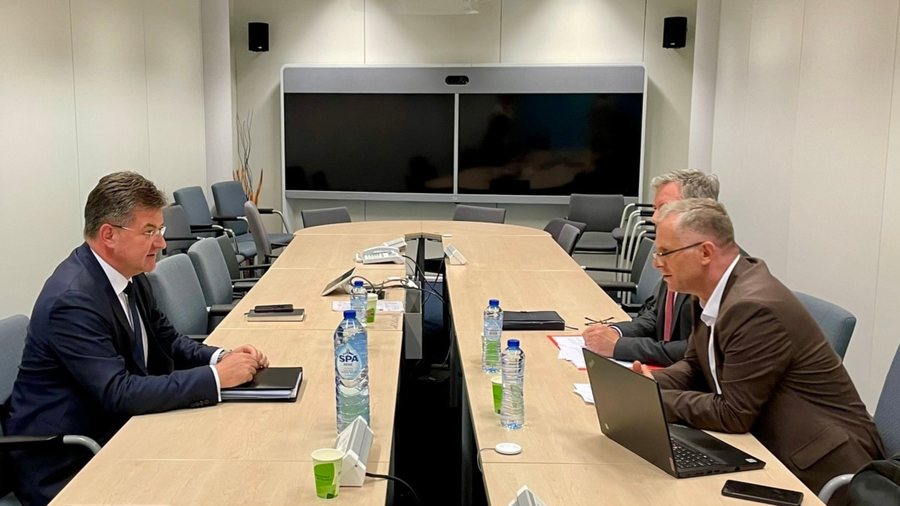
The new and fourth round in general between the chief negotiators of Kosovo and Serbia, under the mediation of the European Union, on the issue of the Serbian dinar, the use of which was banned in Kosovo in February, ended without any agreement on Thursday.
Kosovo's chief negotiator, Besnik Bislimi, said after the meeting that the Serbian side has not come up with an idea on how to handle the initial proposal of the European Union envoy, Miroslav Lajcak, "but they have presented their proposal".
"This meeting can be called a futile meeting, with no result, and perhaps as a success of the obstructionist policy of the Serbian side," said Bislimi.
Serbia's chief negotiator, Petar Petkovic, said Belgrade "did everything to find a solution".
"We came up with a constructive proposal and that proposal was appreciated by Brussels, that is, Lajcak, as a very good basis for continuing the talks," said Petkovic without explaining what his proposal contains.
"On the other hand, we have Pristina, which has come to Brussels without commenting on the EU's ideas, and this clearly shows that the other side does not want to agree on anything," added Petkovic.
The EU's special envoy for dialogue, Kosovo-Serbia, Miroslav Lajcak, met separately with Petkovic and Bislim.
Unlike the previous meetings, there was no tripartite meeting between them on Thursday.
Today's meeting was the fourth in recent times between the chief negotiator of Kosovo, Besnik Bislimi, and that of Serbia, Petar Petkovic, while the fifth in general for this issue in Brussels. All have ended without any progress.
Addressing the media after the meeting, Petkovic announced that another round of talks will be held next week.
Meanwhile, Bislimi said that the Kosovar side was told by Brussels that "this meeting should be the last meeting".
Bislimi added that "since this has not happened, we have insisted that the meeting be organized only if the parties send their proposals by Monday and if Lajcak finds that the proposals are in line with his idea".
Lajçak had said a few days ago that the purpose of this Thursday's meeting was to find "a temporary solution" for the people affected by the decision of the Central Bank of Kosovo.
On February 1, a CBK regulation came into effect in Kosovo, which prohibits the use of the Serbian dinar for making payments.
The last round of talks on this issue between Bisli and Petković, under the mediation of the EU, took place on April 4.
After that meeting, Bislimi stated that the parties still had "big differences", while Petkovic said that Kosovo did not show "sufficient will" to reach an agreement on this issue.
In the preliminary rounds of the dialogue, the chief negotiators have discussed the proposals presented by them on the issue of the Serbian dinar. Bislimi has stated that Kosovo's proposal is "constructive", which according to him, enables the financial support "to go to the final users, but without injuring at any moment the regulations of the CBK" and the legislation of Kosovo. Meanwhile, Petkovic described the Serbian proposal for the dinar as "balanced", which according to him is based on "the interests of the Serbian people in Kosovo".
With the CBK regulation, the euro has been designated as the only currency in Kosovo for making payments. The entry into force of this regulation has angered Serbia, which through its state budget sends financial aid to Serbs living in Kosovo.
The international community has asked Kosovo to suspend the regulation, in order to give citizens time to adapt to the new practice.
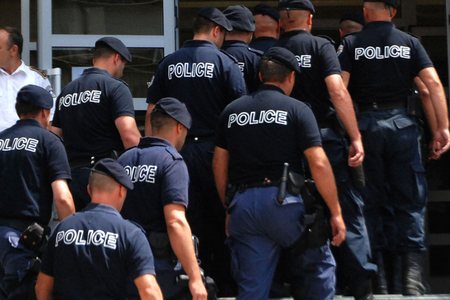
This meeting in Brussels was held a day after tensions between the two countries rose again, as Kosovo accused Serbia of blocking buses with passengers from Kosovo on its borders with Croatia and Hungary and detaining several police officers - Albanian and Serbian - among them. including a deputy director of the Kosovo Police from the ranks of the Serbian community.
Prishtina said that the blocking of citizens in Serbian territory was due to the pro-Kosovo vote in the General Assembly of the Council of Europe, an organization where the country intends to join./ REL


Lini një Përgjigje