


 Shkruar nga Pamfleti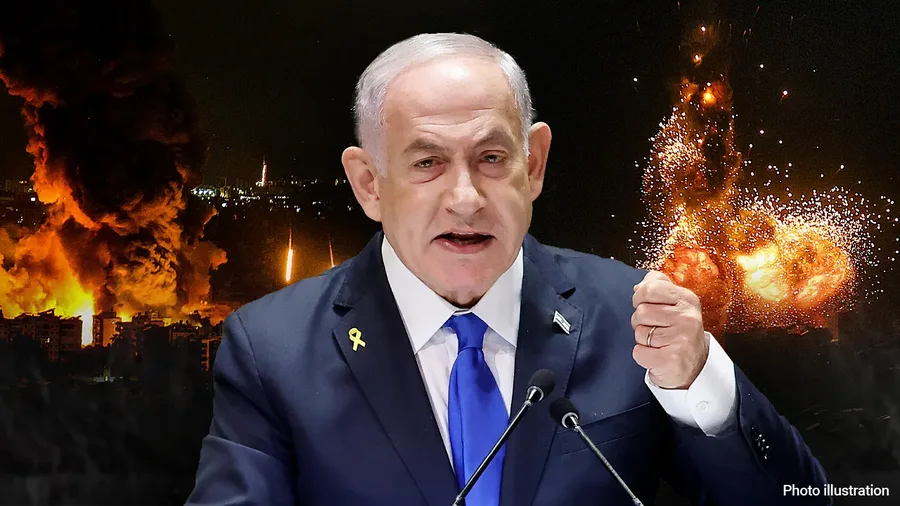
Israel's intensified strikes in Lebanon are undermining the fragile ceasefire in the region, raising tensions and calling into question diplomatic efforts, while Iran's response by blocking Hormuz signals the risk of a wider escalation.
Israel has seriously questioned the fragile ceasefire in the Middle East by launching an unprecedented air offensive in Lebanon, at a moment when diplomacy was aiming to take control of the situation.
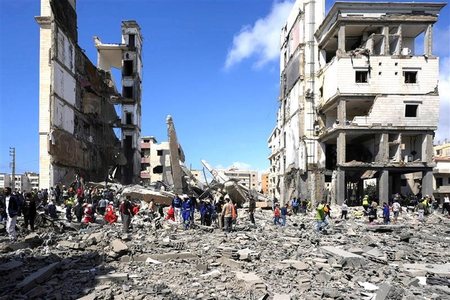
According to reports from the ground and official confirmations, the Israeli military carried out around 100 airstrikes in just 10 minutes, targeting over 60 locations across Lebanon, including areas in central Beirut. The intensity and scope of the operation make this one of the most devastating days of the conflict.
CNN reporter Heidi Pett, who was at the scene, described a chaotic situation and widespread destruction in the Lebanese capital. The strikes, she said, came without warning, at a time when confusion prevailed in Lebanon over the validity of the ceasefire. Within hours, hospitals declared a state of emergency due to the mass casualties, while authorities made urgent appeals for doctors and medical personnel.
This wave of strikes comes in stark contrast to diplomatic efforts brokered by Pakistan, which had declared that the ceasefire also included Lebanon. However, Israeli Prime Minister Benjamin Netanyahu rejected this interpretation, stating that the agreement does not apply to Lebanese territory, a stance that has been immediately reflected in practice on the ground.
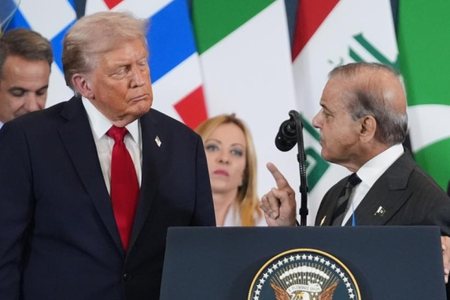
Pakistani Prime Minister Shehbaz Sharif reacted by warning that ceasefire violations "undermine the peace process," calling on all parties to show restraint and respect the two-week agreement to give space to diplomacy.
The United Nations also reacted strongly. The special coordinator for Lebanon, Jeanine Hennis, stated that the latest wave of strikes came just as hopes were growing for an end to the violence.
"This cannot continue. Neither side can achieve victory through arms ," she stressed.
For its part, the UN Refugee Agency (UNHCR) reported a rising death toll and massive damage, stressing that civilians are once again paying the highest price. Meanwhile, the head of the Norwegian Refugee Council, Jan Egeland, spoke of “shocking scenes of great destruction and many casualties,” demanding an immediate halt to military actions and the withdrawal of Israeli forces from occupied areas in Lebanon.
Analysts on the ground compare the scale of the strikes to dark historical periods, including the Israeli occupation of Beirut in 1982. For the first time in a long time, the targets were not limited to the southern suburbs of the capital, but affected wide urban areas, significantly increasing the risk to the civilian population.
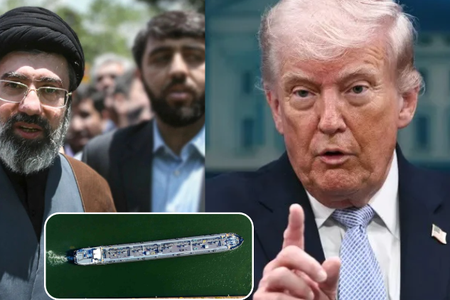
In this climate of escalation, Iran has also reacted directly, temporarily blocking the Strait of Hormuz, a key artery for global energy trade. The move immediately increased international tensions and alarmed markets, before the parties agreed to reopen it a day later. Tehran's move was interpreted as a clear signal that developments in Lebanon could have much wider regional and global consequences.
In essence, recent developments show a profound contradiction between diplomatic statements and the reality on the ground. While there is talk of a ceasefire and negotiations, concrete actions are undermining trust and increasing the risk of a wider conflict.
In this context, Lebanon has become the key point that will determine whether the ceasefire will survive or remain a formal agreement without real implementation. Israel's behavior at this stage not only calls into question its commitment to the diplomatic process, but risks leading the region towards a new cycle of escalation with unpredictable consequences. /Pamphlet



Lini një Përgjigje