


 Shkruar nga Pamfleti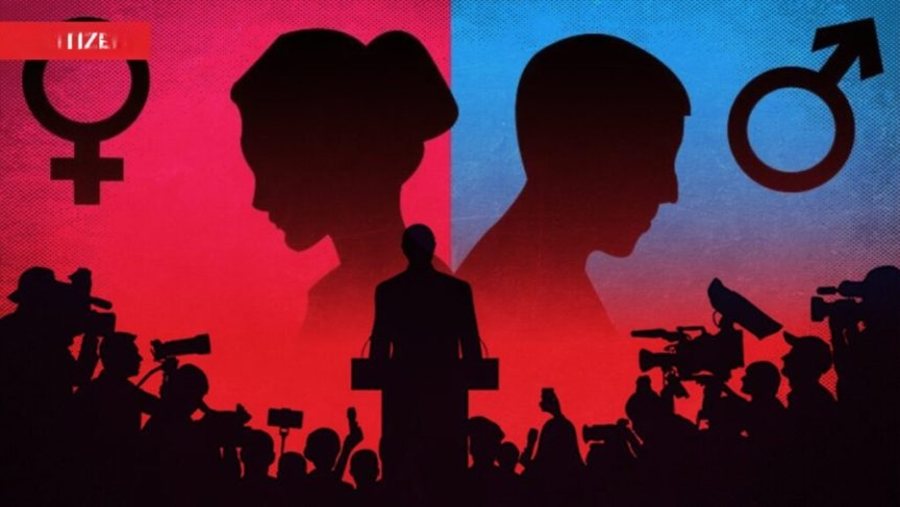
Il dibattito sulla nuova legge sull'uguaglianza giuridica non riguarda il genere, ma il potere sulla società. Dai burrnes del canone ai transgender dell'era Soros, l'Albania sta vivendo una versione ritardata di un movimento che l'Occidente ha utilizzato per sostituire le vecchie classi con minoranze controllabili...
La discussione sulla parità di genere si è trasformata in una "tempesta in un bicchier d'acqua", ma l'essenza della legge è politica, non sociale. Mira a creare nuove categorie protette, attraverso le quali il governo si legittima come moderno e progressista. L'Albania, che non ha nemmeno superato la fase dell'emancipazione civica, sta imitando meccanicamente i modelli delle società postindustriali che hanno a loro volta superato questo dibattito.
La discussione sulla legge sull'uguaglianza giuridica ha provocato una "tempesta nel bicchiere", a causa della tardiva presa di posizione dell'opposizione di Sali Berisha nei confronti della versione ufficiale difesa dalla maggioranza.
Una variante che non solo promuove la non discriminazione nei confronti delle persone che hanno un diverso orientamento sessuale, ovvero gli omosessuali, o anche coloro che vengono definiti "altri generi", ovvero né maschi né femmine, ma affronta anche il loro posizionamento nella società come categoria speciale.
Ciò significa che se lo Stato crea strutture per l'integrazione delle persone con abilità speciali, attraverso agevolazioni, sussidi e strumenti, dà anche ai "diversi generi" l'opportunità di avere la loro quota nella società.
La questione che stiamo affrontando non è poi così sconosciuta a noi come società, che non abbiamo attraversato le fasi e i fenomeni di una società occidentale liberale, dove queste questioni sono oggi alla base non solo del dibattito pubblico ma anche della politica.
L'Albania è stata una società patriarcale e conservatrice fino alla caduta del comunismo. Persino la dittatura di Enver Hoxha, pur considerandosi progressista, in realtà ha fatto molto per l'emancipazione femminile, sebbene secondo il proprio interesse, ovvero quello di creare una donna rivoluzionaria che fosse un'alleata nella lotta di classe; ha condannato le relazioni omosessuali. Ma come è sempre accaduto, in società così chiuse, gli occhi sono chiusi su argomenti specifici.
Gli omosessuali nel regime di Enver Hoxha non erano una cosa straniera, li avevamo al vertice della piramide politica, dove la gente parlava, li avevamo al vertice della cultura, dove la gente li menzionava per nome e nessuno li condannava.
Naturalmente questo status non era accettato e i VIP "gay" erano felicemente sposati, con figli e persone care, ma la Sicurezza arricchì i loro fascicoli con quanti più dettagli perversi possibile.
Con la caduta del comunismo, tutti questi personaggi apparsi negli archivi oscuri della Sigurimi, "a sorpresa" presero il comando del presidium del nuovo regime.
In politics, media, culture, science and much more. In the early years of communism, the people in the dictatorship's secret files were the elite or aristocracy of Democratic Albania.
But, it seems that this was not enough. In Albania, there was an exodus of scholars who came to hunt down the old "barbarians" of the canon. Which very quickly turned into a Western metaphor for Albanian excisionism. Endless books were written, feature films and documentaries were made, in a word, a lot of money was spent, for a number that did not exceed 40-50 people.
This did not matter as the narrative of a new gender was being created, which was finding its historical roots even in virgin societies, such as ours. Namely, women who want to become men and vice versa are a reality, even the wild.
In fact, transgender people have nothing to do with men. Because women who become men do not change sex, and no one cares what sex they have. Women pass themselves off as men for social reasons, not seeking privileges.
This conflict seems to have served as a treasure trove for a movement that began early in Western politics, when the working class 'went for the wool' and became bourgeois. It forgot Marx and began to demand free sex, free society, and everything else that was free.
It was precisely in 1968, when a very perverse mind saw that the communists, namely the workers stressed and upset by injustices, found the recipe.
By financing the great movements of freedom without limits and the politics of freedoms and not of rights. A perfidious and clever movement, since it is very easy to govern or do politics with the minorities you control, since they have no freedom. They only want their gender freedoms, nothing else, neither economic, nor social, nor social nor political.
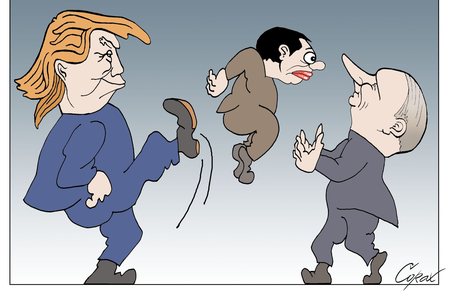
With a rounded financing, it destroys all the unions and liberal and socialist parties of the world. This has happened in the West, where in reality, gender, ethnic and other minorities have a numerical value. So they are an electorate. As in Britain or the USA, where Muslims are the most spoiled by both Trump's Maga and the extreme of Mamdan who is nothing more than a puppet of Soros.
What about in Albania?
In Albania, these minorities have no political value, but people like Sali Berisha, Edi Rama, Ilir Meta, and others are supported by their lobbies. Specifically, by George Soros. Who has been against or fought a lot, Fatos Nanon, but also other "normal" politicians in the country.
Berisha and Meta, who have today become 'pupils' of the family, do not have the people's trust because they were the first to not only be financed but also politically deflowered by this transgender lobby.
It's time for this debate to become more normal, not by clergy, but by intellectuals who know the problem well and, as a result, have an easier time finding a solution.
Ma in Albania la questione di genere non può diventare una priorità politica senza risolvere le priorità che la società occidentale ha risolto./ Opuscolo




Lini një Përgjigje