


 Shkruar nga Pamfleti
The United States has officially withdrawn from the World Health Organization, to which it is still owed $260.6 million, representing its entire mandatory contribution for the 2024-2025 fiscal year.
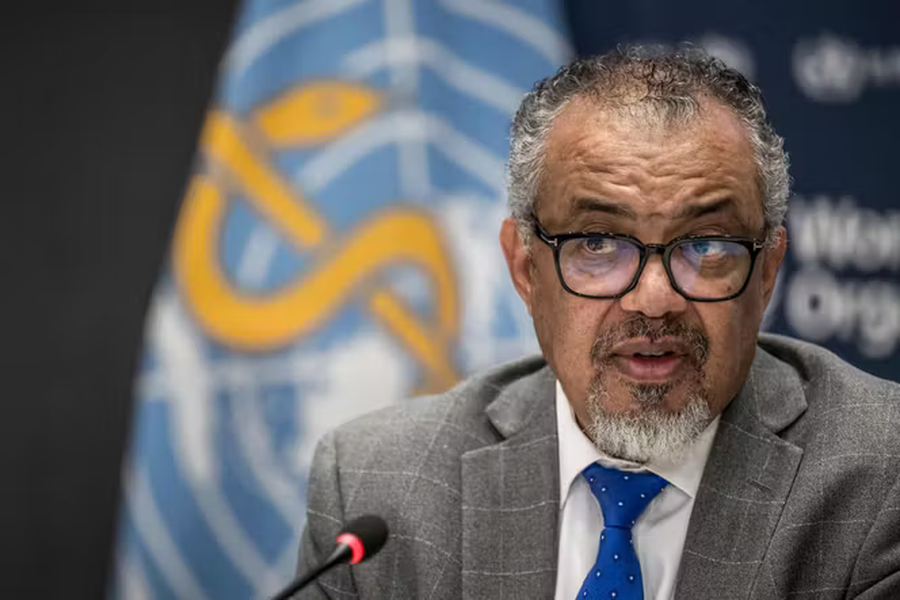
A year after announcing a sensational separation, the divorce has been finalized.
In a joint statement, US Secretary of Health and Human Services Robert F. Kennedy Jr. and Secretary of State Marco Rubio confirmed on January 22 that the United States had officially withdrawn from the World Health Organization (WHO), as President Donald Trump had announced on the first day of his term, January 20, 2025.
“Promises made, promises kept,” the two Republicans said. This decision takes the WHO into previously uncharted territory.
The WHO constitution does not provide for the possibility of member states withdrawing. This was a deliberate decision in the post-war context.
"Its drafters understood the historic fight against the international spread of disease and saw that a truly universal organization would make the world safer; that is why they did not include an opt-out clause," WHO's chief legal adviser, Steve Solomon, explained to reporters in mid-January.
However, the United States has always had a special status, since at the time of its accession, in 1948, the US Congress passed a joint resolution, accepted by the other WHO member states, which reserved to them alone among the countries the right to withdraw, according to Solomon. This right was conditional on two elements: the observance of a one-year notice period between the declaration and the effective withdrawal, and the settlement of all financial obligations. More specifically, the resolution provides that “financial obligations (…) shall be fully met for the following financial year”.
If the first condition has just been met, the second one has not.
The United States has not met its financial obligations to the UN agency and still owes it $260.6 million (€219.12 million), representing the entirety of its mandatory contributions for the 2024-2025 financial year. One issue remains a subject of debate within the WHO: does the “current financial year” include 2026?
And if so, should the contribution be calculated proportionally for the first twenty days of January or for the entire year? All these points will be discussed during the week starting Monday, February 2, at the WHO Executive Board.
Big financial hole
Në çdo rast, administrata Trump nuk ka ndërmend të paguajë.
“Shtetet e Bashkuara nuk do të kryejnë asnjë pagesë ndaj OBSH-së para tërheqjes së tyre”, deklaroi Departamenti i Shtetit në një komunikatë për radion NPR.
“Kostoja e përballuar nga taksapaguesit amerikanë dhe ekonomia amerikane pas dështimit të OBSH-së gjatë pandemisë së Covid-19 dhe që prej asaj kohe është tashmë tepër e lartë.”
Kjo retorikë e keqmenaxhimit të pandemisë është përdorur prej një viti për të justifikuar largimin spektakolar dhe u riaktivizua më 22 janar në deklaratën e përbashkët.
Problemi është se Shtetet e Bashkuara nuk janë i vetmi vend që nuk është në rregull me kontributet e veta. Vetëm në vitin 2024, 45 vende nuk kontribuuan siç kishin premtuar, duke përfaqësuar 30 % të buxhetit. Si pasojë, tetë vendeve u është hequr e drejta e votës për shkak të mospagimit dhe katër të tjera rrezikojnë ta humbasin atë në Asamblenë e Përgjithshme të ardhshme, në maj. Vetë ish-presidenti amerikan Joe Biden e la detyrën pa shlyer borxhet amerikane për vitin 2024.
Në mënyrë më të përgjithshme, tërheqja e Shteteve të Bashkuara e vendos OBSH-në në një situatë financiare jashtëzakonisht të vështirë, duke e detyruar të ulë buxhetin nga rreth 6 miliardë dollarë në 5,3, pastaj në 4,9 dhe së fundmi në 4,2 miliardë dollarë për periudhën 2026-2027. Ky objektiv është ende larg përmbushjes, pasi vetëm 85 % e burimeve janë siguruar deri tani. “Konteksti është shumë i vështirë dhe 15 % e mbetur do të jetë e vështirë për t’u mobilizuar”, paralajmëroi të mërkurën, më 28 janar, drejtori i organizatës, Tedros Adhanom Ghebreyesus.
Rreth 660 milionë dollarë mungojnë, veçanërisht për financimin e sektorit të përgatitjes ndaj emergjencave. Ndërkohë, 1 241 punonjës janë detyruar të largohen nga OBSH-ja gjatë vitit 2025 nga rreth 9 500 që ka gjithsej institucioni kryesisht në selinë e Gjenevës.
Deri tani kontribuuesit më të mëdhenj të OBSH-së, si në kontributet e detyrueshme ashtu edhe në ato vullnetare – që në disa vite përbënin deri në 22 % të buxhetit të organizatës , Shtetet e Bashkuara lënë pas një boshllëk të madh, si financiar ashtu edhe politik, që vende të tjera synojnë ta mbushin. “Kina ka shprehur gatishmërinë për të rritur kontributet e saj vullnetare, pra jashtëbuxhetore, dhe mund të bëhet një nga financuesit kryesorë të OBSH-së pas largimit të Shteteve të Bashkuara”, thekson Kelley Lee, profesore e shëndetit publik në Universitetin Simon Fraser, në Kolumbinë Britanike, Kanada.
“Kjo do t’i jepte Kinës mundësinë të ushtrojë ndikim më të madh mbi aktivitetet dhe prioritetet e OBSH-së.”
“Gabim strategjik”
Edhe Rusia, Arabia Saudite dhe India kanë filluar të pozicionohen. “Ne kemi hequr dorë nga pozicioni dhe ndikimi ynë dhe do ta paguajmë çmimin e këtij gabimi strategjik”, vlerëson Judd Walson, drejtues i katedrës së Shëndetit Ndërkombëtar në Shkollën e Shëndetit Publik Bloomberg të Universitetit Johns Hopkins, në Baltimore (Maryland).
First, the United States would likely lose access to some international surveillance systems, and therefore data on circulating influenza strains or on tracking emerging disease epidemics. “While some information can be found online, much of this data requires approval from other countries to be shared with the United States, and that seems unlikely in the short term ,” notes Kelley Lee.
As part of the new global health strategy, the United States has currently concluded bilateral agreements with about fifteen sub-Saharan African countries for the exchange of scientific data.
“History has taught us that bilateral transactional approaches to global health and security issues do not work and only exacerbate conflicts,” warns Judd Walson./ Adapted from Le Monde



Mund te hetohete prokuroria