


 Shkruar nga Pamfleti
Tirana Municipality decided to ban mortuary agencies in residential buildings

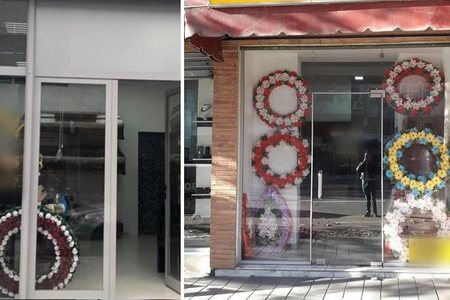
The editorial staff of the Pamphlet received a detailed complaint from a citizen of Tirana, who denounced a problem that has long weighed on the lives of the capital's residents: the conversion of the first floors of residential buildings into funeral homes. The citizen described in detail the direct impact that these businesses have on the daily life of the community, including acoustic and environmental pollution, increased traffic, violation of the ethics of coexistence, and the constant psychological stress from the presence of coffins and mourners in front of their windows.
This denunciation did not remain silent. Within a few days, the Municipality of Tirana, through the Municipal Council, adopted an official decision establishing new criteria and bans for funeral homes, stating that:
"Funeral homes should not be located in residential buildings and the activities carried out in them should not be visible to the public."
The new decision not only prohibits the operation of a funeral home inside a residential building, but also sets clear restrictions on cases where agencies have administrative offices in these buildings. According to the regulation, the display of coffins, wreaths, or other materials is not allowed, neither on the facade nor in the interior if they are visible to the public.
The decision also sets obligations for technical inspection of the premises, the number of employees, service capacities and provides for the revocation of the license in case of violations of the regulation.
What did the citizen denounce in the "Pamphlet"?
In the full message to our editorial team, the citizen emphasized that:
In some buildings in Tirana, the first floors have been converted into funeral homes without specific permits;
The activity is carried out under the protection of local leaders, in violation of existing decisions prohibiting this activity;
The presence of coffins and mourners in front of the apartment worsens the psychological state of the residents;
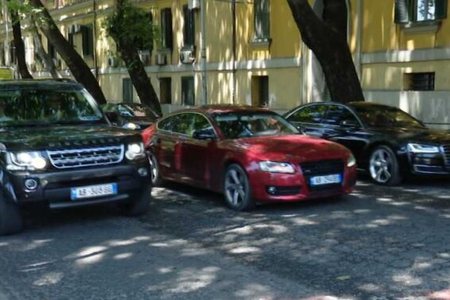
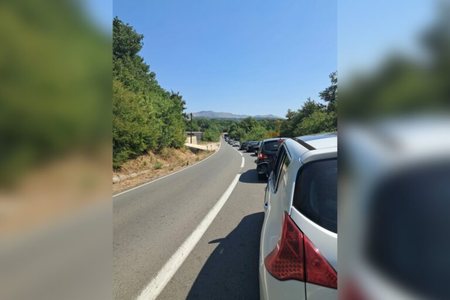
Funeral agency cars block the streets and entrances and exits of palaces;
Generators create noise and air pollution;
Residents lose the value of their properties and feel surrounded by a permanent atmosphere of mourning.
The denunciation, articulated with clarity and without rhetoric, raised a problem that had not been addressed publicly before: the emotional and physical occupation of residential spaces by an industry that should be separate from daily community life.
The decision of the Tirana Municipal Council is a clear signal to those who abuse legal loopholes and benefit from the tolerance of institutions to develop activities that conflict with the public interest.
In this case, investigative media, through a verified citizen complaint, forced local authorities to intervene with concrete actions. In this case, public pressure did not translate into a press conference or empty promises, but into a formal decision with legal effects.
According to the decision published by the Municipality, all entities that exercise this activity must adapt their activities within 6 months, otherwise their license will be revoked. It remains to be seen whether this deadline will be implemented and whether the inspections will be real or fictitious.



Lini një Përgjigje