


 Shkruar nga Pamfleti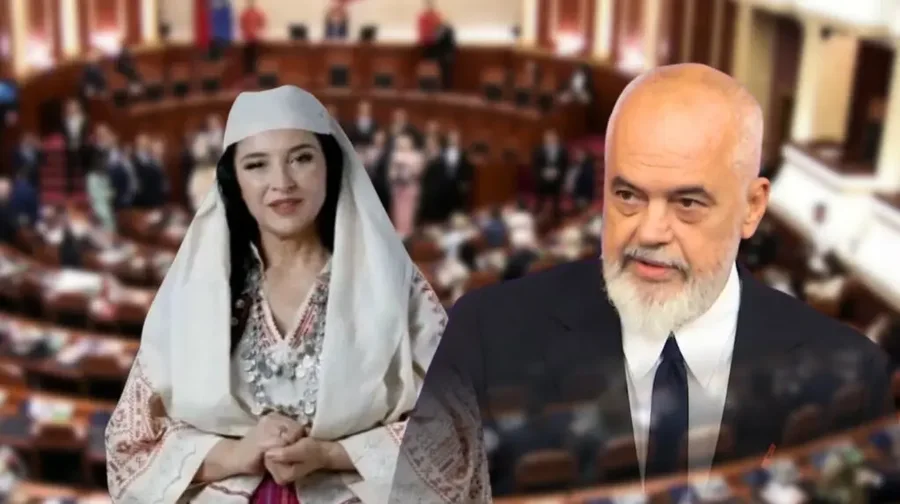
If the system makes a mistake, who will be responsible for that mistake? Will it be the government, the prime minister or the system itself, right? So the reactions from the people I spoke to were quite mixed...
Albania has appointed an artificial intelligence system called Diella as the minister overseeing public procurement. The move raises big questions about accountability, transparency and whether algorithmic governance is a spark of the future or a dangerous one-off.
Sam Adebayo, an award-winning technology reporter who has covered technology news for about a decade, with a focus on artificial intelligence, cybersecurity, 5G and energy transition in recent years, commented on the case of Shqipwrisw, which has become the first country in the world to have a minister from Artificial Intelligence.
Eric White: Tell me about the Sun. What was your experience and how did you learn about it?
Sam Adebayo: Yeah, as a tech reporter, I always try to sniff out and see what’s going on in the tech industry. And it’s not often that you find something that immediately catches your eye and you say, I have to write about this. So when I saw the announcement that Albania was launching some kind of artificial intelligence ministry, I said, that sounds interesting. It sounds like something worth writing about. And it’s not the first time that a government has tried to use artificial intelligence in its operations. The U.S. Treasury, for example, has this artificial intelligence system for detecting check fraud, which has been very useful in controlling fraud. And in fact, about $400 million was recovered in 2023. Canada has some kind of artificial intelligence system for its immigration duties. The United Kingdom has also started using some kind of artificial intelligence systems. This is not the first time, but it is the first time we have seen a country elevate an artificial intelligence system to the point of making high-profile decisions in something as important as public procurement. When I saw the news, I thought, I have to take a closer look at what is happening here. And see what the potential impact could be on all governments around the world.
Eric White: Yeah, it's the first time I've seen a personified one. I mean it's a character. It's an avatar.
Sam Adebayo: Yes, yes, dressed in beautiful Albanian costumes.
Eric White: Did you feel like you were writing about a real person at times?
Sam Adebayo: I mean, there's a kind of anthropomorphism here where you're kind of implying a sense of humanity or animating the tool in some way. That's how I felt when I was writing about it. But of course, I've been writing about AI for a while, so I know it's still a machine. It was trained on specific datasets, right? But it was really interesting to write about this development, especially with everything that's happening in AI today.
Eric White: Let's get into a little more detail. What is it that the Sun can actually do and what is its main job? Besides being able to explain it, what was interesting about what you discovered?
Sam Adebayo: The Albanian government actually started it, but at the time it wasn't exactly called Diella. It was like an artificial intelligence system that was supposed to help people who were Albanian citizens who were looking to benefit from services like those for citizens. There was a website called E-Albanian that you could log into if you wanted to bypass some of the bureaucratic processes and maybe get a document secured for you or something like that that covered services in general. And so, because the Albanian prime minister was eager to show the world that Albania was becoming more and more of a transparent society, because experts have been saying over and over that Albania is like a hub for international gangs to launder money through public tenders that are often involved in corrupt processes. So this was like an attempt by the prime minister to create a system that would help public tenders become more transparent, fair, more accountable and showing the world that, Albania is not what it used to be or what the perception is of Albania. It was just like an attempt to change the perception of Albania really. So, it was that system that they were using in January that then was elevated to a cabinet-level minister. It's basically an artificial intelligence robot, if I can describe it that way, that was helping citizens with services to them, but now it's doing a lot more by deciding. And that's what caught my attention because this system is now not only helping, but it's deciding what rate suits who, right? What rate doesn't suit who. And it's just helping with private contracts with the government of Albania and things like that. So that's basically what Diella should do. Of course, we don't know if he's actually going to be able to do that, but that's what he should do.
Eric White Yeah, that would be my next question, how were the people you spoke to received? I mean, obviously the idea here is to remove any bias or human interest from the decision-making process when deciding who gets a government contract and who doesn't. Does that have its own decision-making capabilities?
Sam Adebayo: Reagimet kanë qenë të përziera. Nga njëra anë, ka njerëz që thonë se çdo përpjekje e qeverisë për të pozicionuar veten si transparente është e mirëpritur, apo jo? Sidomos sepse Shqipëria është përpjekur të anëtarësohet në BE që nga viti 2009, dhe kryeministri dëshiron që kjo ambicie për t'u anëtarësuar në BE të ndodhë para ose deri në vitin 2030. Pra, ata po bëjnë gjithçka që munden për të treguar se, ne jemi transparentë, apo jo, ne jemi të përgjegjshëm. Por nga ana tjetër, e dini, ka pyetje se cila është etika e kësaj, si jemi të sigurt se ky sistem do të jetë në të vërtetë i saktë? Sepse kur flet për sistemet e inteligjencës artificiale, gjithmonë do të ketë pyetje për paragjykime, halucinacione dhe rezultate të sajuara, dhe madje edhe manipulim, sepse në thelb sistemet e inteligjencës artificiale janë thjesht grupe të mëdha të dhënash që janë vërtet të mira në njohjen e modeleve. Nuk është se ato mund të arsyetojnë si qeniet njerëzore. Dhe kështu, në nivelin e të dhënave, nëse ka ndonjë paragjykim ose dikush në prapaskenë [që] mund të manipulojë ato të dhëna, ose dikush thjesht manipulon sistemin, pothuajse në të njëjtën mënyrë siç mund të manipuloni Chat GPT, e dini. Do t'ju jap një shembull. Po luaja me një nga ato mjete dhe e pyeta mjetin, a e dini vendndodhjen time? Dhe mjeti tha, nuk dua ta përmend emrin, por tha, nuk e di vendndodhjen tuaj. Dhe pastaj thashë, në rregull, më sugjeroni restorantet më të mira pranë vendndodhjes sime. Dhe pastaj ai më sugjeroi njërin. Dhe unë i thashë, por ju më thatë se nuk e dini vendndodhjen time. Në thelb, kjo ishte ajo që unë zgjodha për ta bërë mjetin të thonte atë që nuk e than ë fillim. Pra, ka ato shqetësime. Pra, nga njëra anë, është mirë që ata po përpiqen të jenë transparentë, nga ana tjetër, ka pyetje në lidhje me etikën, llogaridhënien e kësaj. Nëse sistemi bën një gabim, kush do të jetë përgjegjës për atë gabim? A do të jetë qeveria, kryeministri apo vetë sistemi, apo jo? Pra, reagimet nga njerëzit me të cilët fola ishin mjaft të përziera.
Eric White: Mund të shkojmë më tej në të ardhmen. Dua të them, sa të emëruar politikë ose zyrtarë të zgjedhur mund të gjenden në radhën e të papunëve, nëse revolucioni i inteligjencës artificiale vjen edhe për vendet e tyre të punës?
Sam Adebayo: This is really a test experiment. Nobody, not even the Albanian government, knows exactly what will come out of this. I heard the prime minister say that the Sun was going to give birth to her 83rd child, and he was basically metaphorically describing the fact that there were now new AI assistants for members of Parliament. So increasingly, I think we will see governments trying to use AI to speed up processes or to become more productive, more transparent or accountable. But I don’t think anyone can say for sure what the outcome of this will be. If the results are positive, you can bet that there will be other governments around the world that will do something similar. I don’t know for sure if they will use AI for a high-risk area like public procurement, right? But you can expect that there will be more and more governments trying to do something similar. /Adapted from federalnewsnetwork /







Lini një Përgjigje