


 Shkruar nga Pamfleti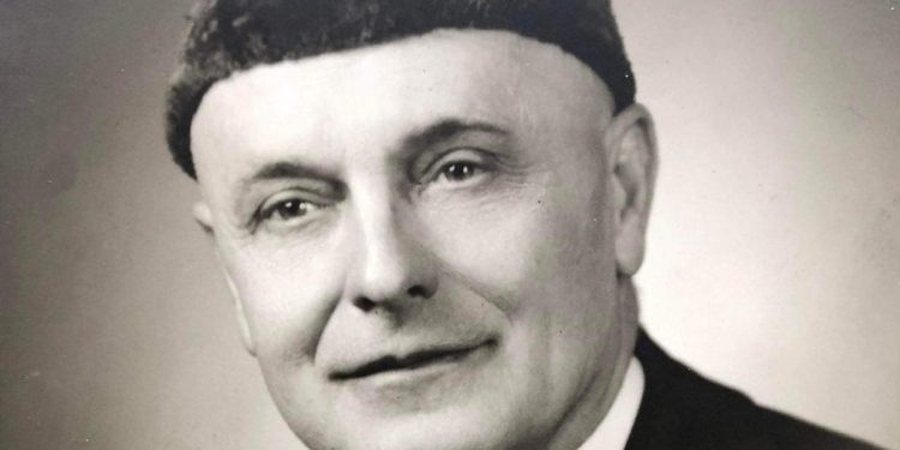
N due Progni was 7 years old when he passed away in the lap of his mother, Lulë Progni. It was a cold winter night in 1951, in the Tepelena Internment Camp, built over the former barracks of the Italian army. The family was forcibly sent from Tropoja to Tepelena, after father Gjoni, a participant in the Northern uprisings against communism, fled the country. Like the Progni family, Enver Hoxha's revenge for power sent hundreds of families, mostly women, children and the elderly, to these barracks surrounded by barbed wire, where, according to testimonies and documents, there were mass deaths due to starvation, poor conditions and diseases. Ndue's cousin, Gjelos Progni, says that the family's hopes of finding his remains are fading.
A single portrait of little Ndue was recreated by a painter based on his father's features, as the family didn't even have a picture of him to remember him by! The family had not looked for it until a few months ago, when Gjeloshi decided to make a request to find it, with the Authority for Information on Former State Security Documents, known as the Records Authority. Regarding this and others, Mr. Gjelosh, in this exclusive interview.
Mr. Gjelosh, you are familiar with the project on the progress of the process of finding and identifying missing persons during the communist regime. You have completed the survey and shared with us your experience on finding the remains of 7-year-old Ndue Gjon Prognit. Starting from this, I would like you to tell me a little about the story of the persecution of the Progni family, which then led to the death of the 7-year-old boy, Ndues?
Nduja was the only son of Gjon Progni, who was an academician, having graduated from the military school in Rome in 1932, a high functionary of the Kingdom of Zogu, performing the high functionary duties of its Gendarmerie, such as in Lushnja, Tirana , Burrel, Krumë, Tropoja and ended his career as an official, serving as the command of the Gendarmerie in the Nikaj-Mërtur area.
Gjoni, being a political opponent of the communist dictatorship, which was being installed in 1944, automatically became an enemy of the system, because Enver Hoxha refused to have political opponents and sought to eliminate them, annihilate them, in one form or another. another and one of them was John.
He was arrested by the partisan forces and imprisoned for two years and was to be sentenced by firing squad, but fortunately he escaped and returned to his homeland, took his brother's son, Marash, and escaped, joining the anti-communist organization in Yugoslavia at that time. , led by Nik Sokol. He made great resistance and effort against communism in Albania.
Pasi e panë të pamundur rezistencën e mëtejshme nëpër male kundër forcave komuniste, u larguan menjëherë nga Shqipëria dhe u vendosën në Bruksel, duke zhvilluar jetën politike bashkë me emigrantët e tjerë në diasporë, gjithnjë për t’u rikthyer e me kokën mbrapa drejt Shqipërisë, drejt vendlindjes, drejt vendit të tyre, për të shfarosur njëherë e mirë komunizmin në Shqipëri. Dhe derisa vdiqën, përpjekjet e tyre nuk pushuan asnjëherë.
Në momentin që Gjoni u largua së bashku me djalin e vëllait të tij, kë la në Shqipëri?
Gjoni la në Shqipëri djalin dhe gruan. E gjithë familja Progni, do vuante pasojat e arratisjes së tyre. Familja u internua dhe u konfiskua e gjithë pasuria, e luajtshme e paluajtshme, siç ishte komisioni i asaj kohe, duke konfiskuar të gjithë napolonat e floririt, parcela toke, shtëpi e, gjithçka tjetër që ata kishin dhe përfundimisht u internua në kampin e Beratit, pastaj në kampin e shfarosjes së Tepelenës.
Cila ishte arsyeja e vdekjes së djalit të vogël Ndue?
Të flasësh për këtë ngjarje, është shumë e dhimbshme dhe duhet t’i lutesh Zotit, për të të dhënë forcë për ta treguar. Fëmijët u ngjajnë engjëjve, janë krejtësisht të pafajshëm. Ju e dini që në kampin e Tepelenës, kanë vdekur afërsisht 800 veta, 30 fëmijë kanë vdekur brenda 24 orëve.
Aty ishte vetëm një “melodi”, “melodia” e vajit. Ka qenë një kamp i tmerrshëm. Dhimbja më e madhe është se ata janë të gjithë pa varr. I lëvizën varret tre herë dhe lëvizjet kanë qenë të qëllimshme, në mënyrë që të humbnin gjurmët. Ashtu ndodhi dhe me Nduen e vogël. Eshtrat e tij mund t’i ketë marrë lumi dhe sot ai është pa varr.
Nduja ka vdekur si të gjithë fëmijët e tjerë në Kampin e Tepelenës, për shkak të mungesës së higjienës, mungesës së ushqimit etj. Natën e fundit të tij, ka qenë në prehrin e nënës së vet, duke lënguar. Sapo policët e kampit e morën nga prehri i saj, Nduja dha shpirt dhe nuk e ndjeu më ngrohtësinë e duarve të nënës së vet.
Policët e vendosën trupin e tij, përballë me barakat te stiva me dru. Atë natë binte një shi i rrëmbyer dhe nëna Lule, e shikonte e pikëlluar trupin e birit të vet të lagur dhe të vetmuar. Në mëngjes ata e kishin marrë Nduen e vogël dhe trupin e tij, e kishin çuar pranë lumit. Shpresat për të gjetur trupin e tij janë venitur tepër dhe besoj se nuk ka asnjë shans, për t’i gjetur më.
Zoti Gjelosh, cila ka qenë kërkesa juaj, drejtuar autoriteteve përgjegjëse për gjetjen e eshtrave te Ndue Prognit dhe a keni marrë përgjigje nga autoritetet përkatëse?
Kërkesa është bërë pranë Autoritetit të Informimit të Dokumenteve të ish-Sigurimit të Shtetit, për gjetjen e eshtrave në kampin e Tepelenës. Përgjigje përfundimtare nuk kam marrë, por kemi kontakte të vazhdueshme, të cilët na informojnë se jemi në bashkërendim me Ministrinë e Brendshme edhe organe te tjera shtetërore, por deri tani nuk ka rezultat.
Cili mendoni se është problemi i vërtetë për mos gjetjen e eshtrave dhe pse e keni humbur shpresën në gjetjen e tyre?
As his death was extraordinary, very sudden. According to the legends, it is said that the cemetery was taken by the river because at that time they were buried on its edge, but the truth is not known, we are pessimistic about finding the remains of our deceased man, Ndue Progni, 7 years old.
Recently, you held a reburial ceremony for the remains of Gjon Progni, Marash Progni and the commemoration of the 7-year-old boy Ndues. What is the importance of this kind of ceremony for you and for the historical memory and the memorial that you made to Ndue, does it show that the hope of finding him is extinguished?
The reburial ceremony and memorial is a missing tribute and a revival of memory. For me, it was not a funeral ceremony, it was not a burial ceremony, it is a noble ceremony to evoke the memory of this nation and to put these figures who sacrificed everything, in the pantheon of honor, where they belong , their memory and image. Their return to the land, to their country of birth, is a strong symbolism that tries to keep alive the missing memory these 32 years, from the so-called democracy.
It was a special or multiple emotion for our family because, on the one hand, we have the same bequest, the bequest of our ancestors, who died 50 years ago, Gjoni and Marashi, the bequest which has weighed on our shoulders and our family's and became a reality. And this is an incredible emotion and some happiness for our whole family.
Along with it, the feeling of commemorating the 7-year-old boy Ndue, a great pain because his remains have not been found even after many searches that we have done as a family. The commemoration of Ndue was an event that caused many emotions and great pain./ Memorie.al





Lini një Përgjigje