


 Shkruar nga Pamfleti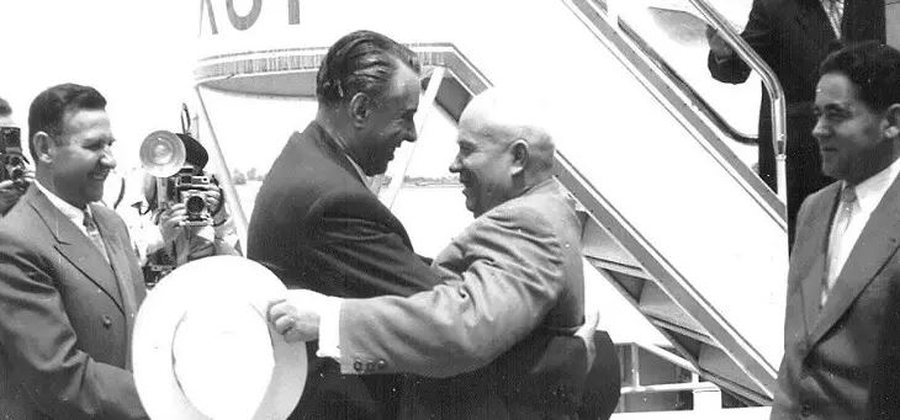
Relations between Albania and the Soviet Union were becoming increasingly frosty. It was 1960, and clashes between the leaders of the communist parties of the two countries were increasing. There were several moments on the eve of the Moscow meeting of historical importance.
On November 8, the leadership of the Communist Party of the Soviet Union distributed to all delegations, including the delegation of the PLA, a long letter that the Central Committee of the Communist Party of the Soviet Union addressed to the Central Committee of the Communist Party of China.
In this letter, the Soviets listed all the criticisms, accusations, and remarks that the Communist Party of the Soviet Union had about the leadership of the Communist Party of China.
In that letter, the ALP was not directly attacked, but all the socialist countries were listed in one place and only Albania was missing, so it did not appear as a socialist country. During this time, several meetings of the ALP delegation were held with the Soviet leadership.
Specifically, on November 8, Andropov, who at that time was the head of the Foreign Directorate of the Central Committee of the Communist Party of the Soviet Union, for relations with socialist countries, went to the villa where the ALP delegation was located and requested a meeting with Enver Hoxha.
"For the first time in an Albanian government, the 'Public Security Office', or the 'Albanian Police Directorate', began to function, where it was appointed..."/ The unknown history of the Gendarmerie school in Gjirokastër
Andropov came to announce the meeting that the leadership of the Communist Party of the Soviet Union wanted to take place between the PLA delegation and Nikita Khrushchev, to discuss the problems of relations between the two parties.
Enver Hoxha, who refused the invitation, said: "I had decided that the meeting would take place. But when I became aware of the letter that you distributed to the parties, including our party, on November 8, where Albania was not listed as a socialist country, I could not accept the invitation in any way, because this is blackmail that we could expel you from the socialist camp."
Andropov tried to justify himself, saying that this letter had nothing to do with the Albanian People's Party, but Enver Hoxha insisted on his. However, after this, on November 10, a meeting of the delegation with part of the Soviet leadership took place, where Mikoyan, Kozlov, Suslov, Pospelov and Andropov were present.
The aim was, at least as our delegation interpreted it, to coerce the ALP delegation not to raise at the meeting, that is, in the speech that Enver Hoxha was going to give, the divergences and complaints that the ALP had in its relations with the leadership of the Communist Party of the Soviet Union, and to side with the Soviet leadership. But, as things had gone, nothing was agreed upon at this meeting.
Enver-Andropov conversation in Moscow, November 8, 1960
Enver Hoxha: Today I was informed that Khrushchev has expressed his desire to meet with me tomorrow at 11:00. I had decided to respond positively to this request, but today I read the Soviet material, in which Albania does not appear as a socialist country.
Yuri Andropov: What material is this? I don't understand you. Tell me specifically which material you have in mind, where is this said?!
Enver Hoxha: This is the material of the Communist Party of the Soviet Union, addressed to the Communist Party of China (This is the 125-page letter that the Central Committee of the Communist Party of the Soviet Union addressed on November 5, 1960, to the Central Committee of the Communist Party of China, in which the Central Committee of the Communist Party of the Soviet Union, in addition to accusations against the Communist Party of China, ignored the existence of the People's Republic of Albania as a socialist country and denigrated the Party of Labor of Albania).
Yuri Andropov: What does this have to do with it, it's a letter to China, what connection does China have with Albania?
Enver Hoxha: And this finally cut off the paths of my meeting with Khrushchev.
Yuri Andropov: I don't understand you, what was said in that material about you?
Enver Hoxha: Read it and you will see.
Yuri Andropov: I have read and know that material very well, as I myself participated in its elaboration. But your statement, Comrade Enver, is a very serious statement.
Enver Hoxha: Yes, seriously. Tell Khrushchev that whether Albania will be a socialist country or not is not decided by Khrushchev, the Albanian people themselves have decided this with their wars, with their blood. The Party of Labor of Albania, which has walked and will walk on the Marxist-Leninist path, has decided this.
Yuri Andropov: I don't understand you, Comrade Enver, he is a material for China, this has nothing to do with Albania.
Enver Hoxha: I speak for my homeland, for my people, for my country.
Yuri Andropov: This is a very serious statement and for this I can only express regret.
Enver Hoxha: We will have a meeting of the parties, there our Party will express its opinion. That's it, goodbye!
Conversation of the delegation of the Albanian People's Party with representatives of the Communist Party of the Soviet Union, Mikoyan, Kozlov, Suslov, Pospelov, Andropov
Moscow, November 10, 1960
Këtë takim me delegacionin e PPSH-së, i cili ishte në Moskë për të marrë pjesë në mbledhjen e famshme të 81 partive, e kërkuan udhëheqësit sovjetikë, me qëllim që të bindnin delegacionin e kryesuar nga Enver Hoxha, për të mos ngritur në mbledhjen e 81 partive çështjet, për të cilat PPSH-ja nuk ishte dakord me ta e, veçanërisht me veprimet e tyre ndaj vendit tonë pas Mbledhjes së Bukureshtit.
I pari e mori fjalën Mikojani, i cili, duke shprehur keqardhjen për mosmarrëveshjet që kanë lindur midis Partisë Komuniste të Bashkimit Sovjetik dhe PPSH-së, akuzon këtë të fundit se ishte shkaktare e mosmarrëveshjeve, pasi nuk ushqente më ndaj Partisë Komuniste të Bashkimit Sovjetik, atë besim që ushqente më parë.
Këto deklarata vinin pas pretendimeve të rusëve se oficerët tanë nuk ishin sjellë mirë me oficerët sovjetikë në bazën ushtarake detare në Vlorë, ndaj dhe sovjetikët pyesnin se mos Shqipëria donte të dilte nga Traktati i Varshavës.
Po ashtu, thuhej se udhëheqja sovjetike dëshironte zgjidhjen e këtyre keqkuptimeve në rrugë të drejtë. Mikojani i kërkoi Hoxhës që ai t’i thoshte se ku sovjetikët i kishin gabimet dhe nga kjo, atyre nuk u ngelej qejfi dhe se kjo ndodhte kur shqiptarët bisedonin prapa shpine.
Enver Hoxha: Na thoni kur dhe ku ne kemi biseduar prapa shpine kundër jush? Ne shqiptarët e kemi zakon, asnjëherë nuk bisedojmë prapa shpine. Lidhur me bazën ushtarake të Vlorës, s’është e vërtetë ajo që thatë.
Atje ekziston një miqësi e ngushtë midis marinarëve dhe oficerëve sovjetikë e shqiptarë. Kështu ka qenë deri në Mbledhjen e Bukureshtit dhe nga ana jonë, kështu vazhdon të jetë edhe tani.
Komiteti Qendror i Partisë sonë, u ka dhënë udhëzime njerëzve tanë për të mbajtur në bazë qëndrim korrekt ndaj njerëzve sovjetikë. Por, disa nga marinarët tuaj edhe kanë goditur marinarët tanë.
Ministria e Mbrojtjes e Republikës Popullore të Shqipërisë, ka udhëzuar që këto gjëra të rregullohen nëpërmjet organizatave bazë të Partisë. Ka ngjarë diçka me një oficerin tonë të marinës dhe një kundëradmirali sovjetik, të ardhur nga Sevastopoli për inspektim, i cili kishte zakon të pinte.
Në mënyrë jo të drejtë, ai kishte kapur një oficerin tonë, shok i mirë që ka studiuar në Bashkimin Sovjetik, dhe i kishte kërkuar që ai t’i tregonte se ç’u vendos në Plenumin e Komitetit Qendror, pasi, ai thoshte se për këtë do të mbante leksione në Sevastopol, pasi atje do ta pyesnin. Oficeri ynë iu përgjigj se komunikata e Plenumit të Komitetit Qendror, ishte botuar në gazetën “Zëri i Popullit”, më 9 shtator 1960.
Më pas oficeri ynë i raportoi komandantit të tij. Shokët tuaj i hoqën veshin kundër admiralit, ai kërkoi ndjesë dhe gjithçka u rregullua. Lidhur me marrjen në dorëzim të nëndetëseve, ushtarakët tanë 2 vjet e gjysmë mësuan dhe u përgatitën në Sevastopol, u dalluan në qitje. Shtabi dhe marinarët tanë ishin përgatitur të prisnin në mënyrë solemne nëndetëset.
Në shtabin tonë është një kundëradmiral sovjetik, ne nuk e dimë ç’është ai, por kundëradmiral ai s’është. Ai tha se nëndetëset nuk mund t’ju dorëzohen, sepse nuk jemi gjoja të përgatitur. Shokët e Ministrisë së Mbrojtjes iu përgjigjën se, si është e mundur një gjë e tillë, në qoftë se duhet që ushtarakët tanë të mësojnë edhe disa muaj, mund të na e thoni.
Por vetë shtabi sovjetik ka thënë se ekuipazhet shqiptare janë të përgatitura.
Na u tha pastaj se erdhi dimri, deti ka dallgë të mëdha, shokët tanë erdhën këtu në admiraliatin tuaj, e shtruan problemin dhe morën përgjigjen, se nëndetëset do t’ju dorëzoheshin.
Por, përsëri erdhi urdhër prej njerëzve tuaj, të mos na jepen. Kur ishim në Tiranë, Ministria jonë e Mbrojtjes i bëri një letër Gorshkovit, i shpjegoi çështjen shoqërisht, kështu si jua përshkrova. Në letër thuhet se, në qoftë se duhen edhe disa muaj për përgatitjen e ushtarakëve tanë, mund të na e thoni. Por nuk është këtu arsyeja.
Mikojani: Po ku është arsyeja?
Enver Hoxha: Këtë duhet të na e thoni ju. Por nuk është kjo çështja kryesore. Le të vijmë tani te çështja e daljes nga Traktati i Varshavës, meqë në fillim folët lidhur me këtë gjë.
Mikojani: Jo, por krijohet përshtypja.
Enver Hoxha: Si krijohet përshtypja, në bazë të të dhënave të një farë kundëradmirali?! Le ta shohim këtë çështje se ka gjëra më serioze.
Mikojani: Ashtu?! Ne nuk dimë gjë.
Enver Hoxha: Si nuk e dini? Në qoftë se është ashtu, nuk është mirë që Komiteti juaj Qendror nuk ka dijeni. E dini se ne na kanë kërcënuar të na përjashtojnë nga Traktati i Varshavës? Këtë e ka bërë Greçko.
Mikojani: Ne s’dimë gjë, na e thoni.
Enver Hoxha: Do t’jua themi dhe me forcë, se është çështje parimore. Dy mareshalët tuaj, Malinovski dhe Greçko, e kanë thënë një gjë të tillë. Ju duhet ta dini.
Hysni Kapo: Në datën 22 tetor, unë ia kam thënë këtë Poljanskit.
Mikojani: Ju mund të mos më besoni, por unë nuk e di.
Enver Hoxha: Nëse e shtroni çështjen kështu, se nuk dini gjë, duhet t’ju kujtojmë se katër muaj më parë, ju kemi shkruar lidhur me ambasadorin. Përse nuk përdorët praktikën leniniste të partisë suaj e, të na përgjigjeshit?
Kozllovi: Ne do t’ju dërgojmë një ambasador tjetër.
Enver Hoxha: Tani thoni kështu, por pse s’na keni shkruar? Ne ju kemi shkruar 4 muaj më parë, por përgjigje s’kemi marrë.
Mikojani: Kemi bërë mirë që nuk ju përgjigjëm, sepse ka 15 vjet që ambasadorët tanë shkojnë e pyesin nëpër komitetet e partive, kështu ka qenë edhe në Shqipëri. A mos është ndërhyrje nga ana e ambasadorit tonë, që të pyesë kryetarin e Komisionit të Revizionimit, se ç’ndodhi në Plenum?
Enver Hoxha: Është ndërhyrje dhe krejt e palejueshme. Unë mund të them se në vendin tonë nuk ka pasur gjë të fshehtë për njerëzit sovjetikë. Ka 16 vjet që kemi ndjekur praktikën, që për vendimet dhe dokumentet me rëndësi të Komitetit Qendror të Partisë sonë, ose të qeverisë, ne ju kemi vënë në dijeni.
Why did we do this? Because we were honest, straightforward with the Soviet Union and its Communist Party. You have no right to accuse our Party of behaving badly towards the Communist Party of the Soviet Union. We were very close to our Soviet comrades, from the ambassador to the simplest specialist. All doors were open to them.
Mikoyan, Suslov: That's right, that's right.
Enver Hoxha: We think that there cannot be any other party that has behaved this way towards the Communist Party of the Soviet Union. Why did we do this? Because we considered the Communist Party of the Soviet Union as the party that, under the leadership of Lenin, made the great Socialist Revolution and first paved the way towards socialism and communism.
Before Bucharest we had disagreements, we will say them, for example, regarding Yugoslav revisionism. But we acted in such a way that nothing was understood outside. Why did relations break down after Bucharest?
What did we say in Bucharest? We expressed our position by saying that the disagreements that were raised at the Bucharest Meeting by Khrushchev are disagreements that have arisen between the Communist Party of the Soviet Union and the Communist Party of China and that the Party of Labor of Albania reserves the right to express its opinion on these matters at the Moscow Meeting. So, why was our Party attacked?
We disagree with Bucharest, but we did not do anything that would change your attitude towards us one hundred percent. First of all, your ambassador behaved in a despicable manner. We loved him. After Bucharest and especially after his return from Moscow, he began to attack us and behaved with contempt towards us. /Memorie.al/



Lini një Përgjigje