


 Shkruar nga Pamfleti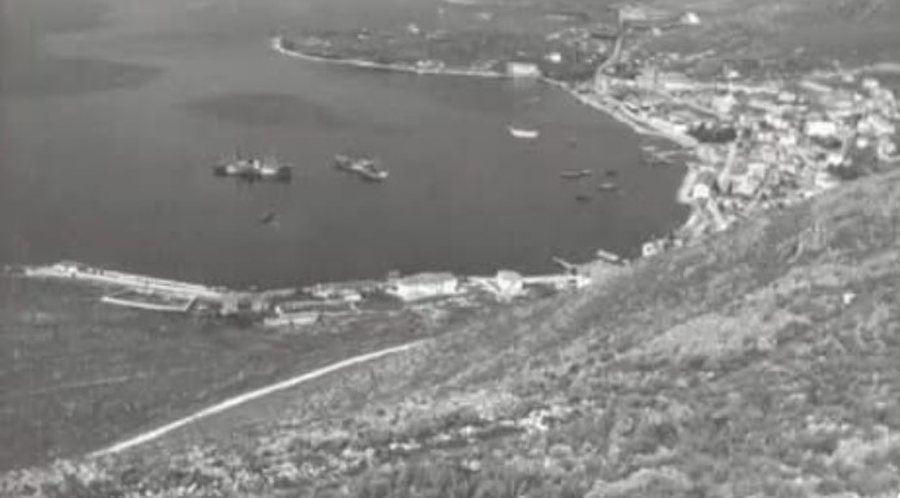
Due to the continuous political tensions between the Albanian communist government and the British government for over half a century, although times have changed, there is still a sense of oblivion about the contribution of Allied troops during World War II, not only in supporting Albanian partisans and nationalists, but also in giving their lives on the battlefields, for the liberation of two cities in Albania.
“It is true that the British participated in the battles that led to the liberation of Himara and Saranda,” says Tahir Çobani, a former partisan who is now writing a book about the events of those years. “I participated in those battles and saw British soldiers being killed,” says Rakip Beqaj, another former partisan, a member of the military formation in which he was a member, the XII Assault Brigade, which fought for the liberation of Himara and Saranda.
“But, due to the tense political relations between the Albanian Liberation Army Headquarters and the British forces envoys, cooperation in battles, especially in the liberation of Himara, was not satisfactory,” he adds. “I heard that there was a battle between the British and Germans here, during the war, but nothing more,” says Vasil Bollano, former mayor of Himara, a small coastal town 180 km. southwest of Tirana, the country’s capital.
British aid to Albania
During World War II, Albania was occupied by the Italians until September 1943 and then by the Germans until the end of 1944. To aid the Albanians' efforts in their fight against the invaders, but given that the Albanians themselves were quite politically divided, the British government at the time sent its representatives to the Partisan General Staff, led by the communists, and to the nationalists, with the aim of supporting them with military materials and food, as well as instructing their armies, which were mainly composed of volunteers.
But while the British relations with the nationalists were good, those with the leaders of the National Liberation General Staff were strained. Enver Hoxha, at that time the political leader of the partisans, who later ruled the country for nearly 45 years, did not see his political future in cooperation with the British, having on the other hand strong support for the future power from the communists in the region and especially, the Yugoslavs.
Even at the end of his life, in the early 1980s, he wrote a book called “The Anglo-American Danger to Albania,” where the British, not only “did not contribute to the Second World War,” but “they constantly sabotaged the partisan war.” This book was not only part of the memoirs of the half-century ruler, but also a guide for all historians. No one could dare to write or say anything else.
Why did Enver Hoxha deny the contribution of the allies?
Enver Hoxha does not mention in that book that 54 members of the British forces gave their lives on Albanian soil and 18 of them were killed within three days, in the battles that led to the liberation of two cities in southern Albania. So have Albanian historians. “The partisan headquarters did not want to cooperate with us,” says Colonel Davis Smiley, the British government’s envoy, first for several months in 1943, to the partisans and then to the nationalists.
“I know that the Partisan headquarters was asked to cooperate in capturing the heights and German positions, in Himara and then in Saranda, with the aim of preventing the future withdrawal of the Germans from Greece,” he says. “But they did not accept.” “We were aware of the British attack on the German positions, but we had orders not to act,” says Rakip Beqaj. “We were told that the British did not want our cooperation,” he adds, who at that time was a simple partisan.
He says that on the morning of July 29, 1944, partisan forces had taken up positions throughout the mountainous area of Himara. And they had received orders not to make any movements. “On the morning of July 29, British forces began the attack from the sea, towards the German positions on the heights. The battle continued almost all day,” says Neim Malo, another partisan who witnessed the battle.
“Sometime in the afternoon the British troops withdrew. There were also killed among them. We immediately received orders to attack. The Germans, exhausted from the battle with the British, did not resist. Thus Himara was liberated,” he adds. According to Tahir Çoban, a volunteer from the partisan forces was killed in that battle. “Six British people lost their lives in that battle,” says Smiley. Five of the British who fell in that battle are members of the Highland Light Infantry regiment, while one is from the Royal Norfolk Regiment.
Relationship strain
The failure to cooperate in the battle of Himara soured relations between the British envoys and Enver Hoxha's partisan headquarters. It was decided that in the coming months there would be another battle, in Saranda, 20 km. further south, but in cooperation between the two armies. “I was in Saranda months before this attack” – says Smiley. “I had to see the depth of the sea, the coastal area and the possibility of moving our troops there”, – he adds. According to Rakip Beqaj, in the battle for the liberation of Saranda, a joint Albanian-British commission was established to coordinate the actions between the two armies.
Plani ishte që britanikët do të bombardonin me artileri pozicionet gjermane, ndërsa partizanët do të sulmonin nga lartësitë. Më datën 8 tetor 1944, filloi sulmi mbi pozicionet gjermane që ishin nëpër kodra vërtet të vështira. Bombardimi britanik mbi pozicionet gjermane ishte i rëndë. “Madje, dy ditët e para lufta e vërtetë u zhvillua midis dy artilerive”, – thotë Beqaj; “në terren lëviznin skuadra të përbashkëta shqiptaro-britanike, që koordinonin veprimet e dy palëve në luftime”, – thotë ai. Në datën 10 tetor, Saranda u çlirua. Më shumë se 100 gjermanë pranuan të dorëzoheshin pranë britanikëve.
“Nuk e dimë në ka pasur të vrarë në këtë betejë, midis britanikëve”, – thonë tre ish-partizanët që kanë marrë pjesë në atë betejë. Por në faqen e Commonuelth War Graves Commission, thuhet se 9 pjesëtarë të forcave britanike, janë vrarë në Shqipëri, më datën 9 tetor 1944 dhe 3 te tjerë, janë vrarë një ditë më pas. Pesë prej të vrarëve janë pjesë e Royal Marines, 2 e Royal Artillery, 1 ështe Royal Engineer dhe një Sommerset Light Artilery. Tre të tjerët të vrarë një ditë më pas, janë pjesëtarë të Loyal Regiment dhe të Royal Marines.
“Mund edhe të ketë pasur të vrarë midis britanikëve, por ne nuk e morëm vesh, sepse ata sulmuan me artileri dhe lufta u bë midis artilerive”, thotë Beqaj. “Është e vërtetë që në betejën e Sarandës janë vrarë gjatë dy ditëve, dymbëdhjetë pjesëtarë të forcave britanike”, – thotë Davis. Duket se pikërisht në këtë ditë, vendoset fati i harresës së të rënëve britanikë në Shqipëri. Enver Hoxha kishte projektuar sistemin e ardhshëm, me të cilin do të sundonte vendin, ndaj nuk kishte nevojë për praninë e mëtejshme të britanikëve dhe trupave të tyre në tokën shqiptare.
Largimi
Pas një jave tensioni, trupat britanike largohen nga qyteti. “Pavarësisht nga tensioni që ekzistonte midis palëve, për shkak të luftës politike që bëhej në shtab, ata (trupat britanike) ishin shumë korrektë”, – thotë Rakip Beqaj. Një vit më vonë, më 1945, David Smiley ndërton një British Military Cemetary, në rrethinat e Tiranës. Por më 1946-ën Enver Hoxha, i prish të gjitha marrëdhëniet me amerikanët dhe anglezët. Hakmarrja e tij bie dhe mbi varrezën e britanikëve në Tiranë; ai urdhëroi prishjen e saj. Kryqet dhe mbeturinat e trupave u futën në një varr masiv, në një vend të panjohur.
Për afro 40 vjet, askush nuk foli më për ta. Vetë qeveria britanike i nderonte të rënët në Shqipëri, në një përmendore të ngritur në Greqi. Vetëm më 1993, kur komunizmi tashmë kishte rënë, pas tri vizitave të njëpasnjëshme në Shqipëri, David Smiley takohet rastësisht me një shqiptar që kishte qenë komandant i operacionit për shkatërrimin e varrezave të britanikëve. Pas vitit 1994, varrezat u ngritën sërish në periferi të Tiranës, gjithsej 54 varre, por pakkush e di se cili është shkaku i atyre varreve në Shqipëri.
“Duhet vepruar me kujdes”, – thotë Edmond Gjoka, ish-kryetar i Bashkisë së Sarandës. “Nëse është e vërtetë që edhe britanikët kanë dhënë jetën për çlirimin e qytetit, atëherë është detyra jonë të bëjmë diçka për ta”, – shton ai. “Nëse kjo ngjarje është e vërtetë, ata e meritojnë një përmendore”, – thotë Vasil Bollano, ish-kryetar i Bashkisë së Himarës. “Por duhet shumë kujdes në këto gjëra, se e dini, deri tani historia ka qenë ndryshe. Duhet kohë, punë dhe njerëz për të sqaruar të vërtetat”, – shton ai.
Ihsan Budo: Misionarët anglezë gjatë luftës
“Më kujtohet se, ndërsa dy batalione të Brigadës së 6-të Sulmuese, ishin stacionuar në zonën e Sarandës, erdhi për t’i vizituar këto forca, komisari Haki Toska. Unë e shoqërova Hakiun në të gjitha vendet ku ai shkoi. Një nga vizitat e tij ishte ajo në misionin ushtarak anglo-amerikan, që vepronte në Zonën e Parë Operative, komanda e të cilit ishte vendosur në Borsh të Sarandës. Misionarët na pritën me përzemërsi dhe me ta u zhvillua një bisedë e gjatë, që konsistoi në kërkesat tona për ndihma sa më të shpejta në armë, municione, ushqime dhe veshmbathje, për forcat e Ushtrisë Nacionalçlirimtare.
Përkthimin nga anglishtja në shqip dhe anasjelltas e bënte Hiqmet Poshi. Më pas kam pasur lidhje pune me misionin anglez dhe, konkretisht, kur organizata e partisë vendosi të godisnin rezidencat e gjermanëve në Sarandë. Më caktuan të bisedoja me anglezët, për të gjetur rrugët e bashkëveprimit, lidhur me goditjen nga ajri të bazave ushtarake gjermane. Kur shkova në Borsh dhe u thashë anglezëve se çfarë kërkonim të realizonim me ndihmën e tyre, ata e pritën shumë mirë këtë bashkëveprim.
Më thanë se u duhej një hartë ku të ishin përcaktuar objektet që do të goditeshin, si edhe pozicioni ku ishin vendosur armët kundërajrore. Menjëherë pas takimit dhe bisedës me ushtarakët anglo-amerikanë, i shkrova një letër Kiço Lazrit, ku i thosha që të bashkëpunonte me Xhorxhi Xuxin, bashkëpunëtorin tonë brenda në komandën gjermane, për të mësuar mbi vendndodhjen e objekteve që do të goditeshin. Informacionin ky i fundit do të na e dërgonte nëpërmjet ndërlidhësit tonë, Dino Halilit. Pas disa ditësh, korrieri më dorëzoi një letër që ma dërgonte Kiço Lazri.
Në të ishte edhe harta e kërkuar nga misioni ushtarak anglo-amerikan. Për çudinë time, goditja e objekteve u bë brenda pak ditësh, pikërisht më 4 maj 1944. Avionët e aleatëve bombarduan me një intensitet të madh okupatorin gjerman në befasi të plotë, duke e dëmtuar atë seriozisht. Bashkë me këtë fitore ra dëshmor në krye të detyrës, Dino Halili, pikërisht ai që kishte qenë pjesëmarrës në hartimin e asaj planimetrie, që iu dha aleatëve.
This action caused great damage to the occupier, but, unfortunately for us, one of our best friends was also killed during it. The success of this important action is dedicated to our cooperation with the allies, who were ready to help us, as well as the work of our friends who accurately transmitted the data, such as Kiço Lazri, Dino Halili and Xhorxhi Xuxi. They provided accurate coordinates for the pilots of the allied fighter aircraft”, concludes Ihsan Budo. /Memorie.al


Lini një Përgjigje