


 Shkruar nga Anja Troelenberg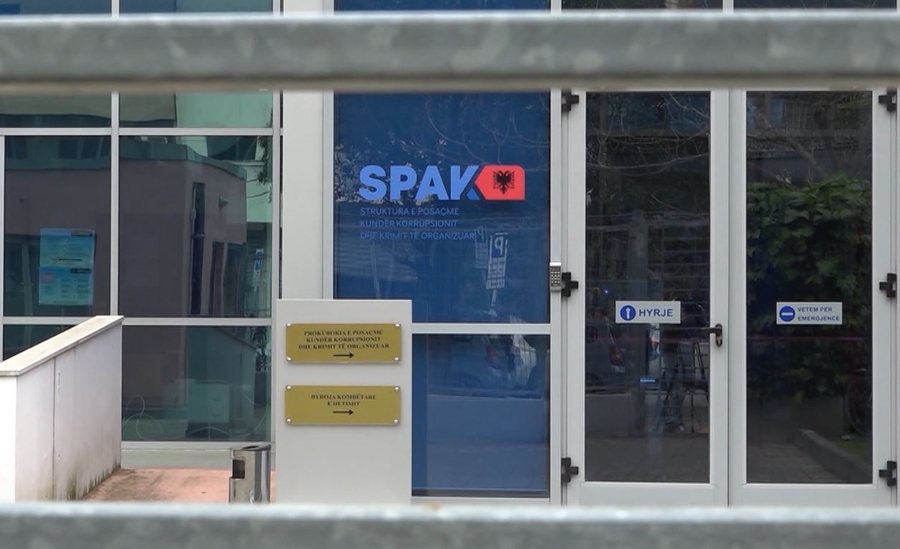
German television "MDR" has devoted an article to the situation in our country. A television journalist has come to Tirana, focusing on the fight against corruption. In the article, which you can find in full below, emphasis is placed on money laundering through towers, SPAK operations and political influence on justice.
With the aim of joining the EU, Albania has declared war on corruption. Within a very short period of time, the country reformed its entire justice system. Many corrupt judges and prosecutors have been dismissed, but some government politicians seem to remain unscathed.
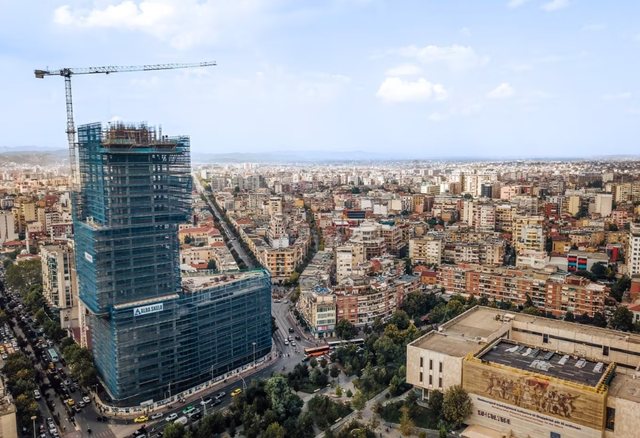
Dozens of towers are "growing" in the Albanian capital, bringing a lot of dust and noise. Large-scale public-private partnership projects are making the city grow inexorably. Ten high-rise buildings are planned or under construction in the vicinity of the main square alone. The booming construction activity suggests an economic boom, but there is another reason: construction is a popular money laundering tool in Albania.
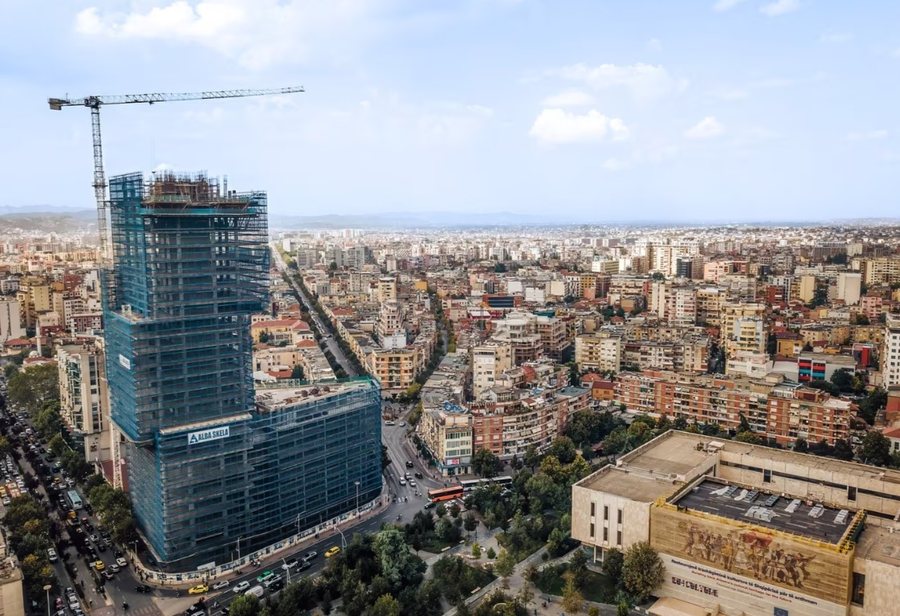
The fact that not everything is going well in urban development can already be seen in real estate prices. Despite the oversupply, prices continue to rise. A square meter in the capital now costs over 1,500 euros - a surprising amount for a country where the average monthly salary is equivalent to 500 euros. According to local media reports, at least 40,000 apartments are said to be empty. Apparently, many expensive construction projects are used to launder money - for example, by paying off construction loans with black money. The Global Initiative against Transnational Organized Crime (GI TOC) estimates that more than 1.2 billion euros were laundered in the construction sector in Albania between 2016 and 2018.
Corruption has hardly abated for years
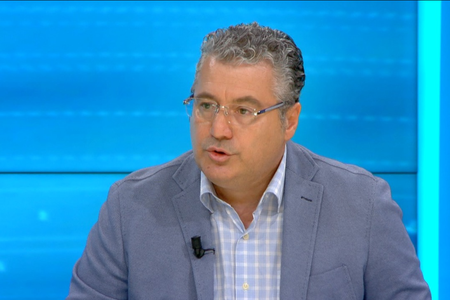
" Corruption as an act is difficult to identify because it happens in secret ", explains anti-corruption expert Arjan Dyrmishi.
In Transparency International's corruption perception index, Albania has achieved only 37 out of 100 possible points and is therefore in 98th place out of 180 countries ranked - slightly below the average in a global comparison. On par with Belarus and Argentina and, above all, unchanged for several years.
Many judges and prosecutors were fired
Vendi po bën përpjekje të mëdha për të luftuar korrupsionin. Kuvendi i Shqipërisë miratoi një reformë gjithëpërfshirëse në drejtësi në korrik 2016. Që atëherë, janë krijuar institucione të reja kundër korrupsionit dhe sistemi i zbatimit të ligjit është decentralizuar. Zbatimi i suksesshëm i reformës ishte një nga kriteret kryesore për fillimin e bisedimeve të pranimit në BE.
Thelbi i reformës është “vettingu” – kontrollimi i të gjithë gjyqtarëve dhe prokurorëve për përshtatshmërinë profesionale, rrethanat financiare dhe lidhjet e mundshme me krimin e organizuar. Çdo magjistrat kontrollohet dhe duhet t'u përgjigjet pyetjeve të një komisioni. Kushdo që nuk mund të provojë burimin e pronave apo si e ka blerë makinën e tij, do të shkakrohet.
Aq shumë gjyqtarë janë shkarkuar, saqë dy gjykatat më të larta të vendit nuk kishin më kuorum. Me ndihmën e SHBA-së dhe BE-së, u ngrit një Prokurori Speciale për të luftuar korrupsionin dhe Krimin e Organizuar, shkurt SPAK.
Hetime për korrupsion edhe ndaj politikanëve
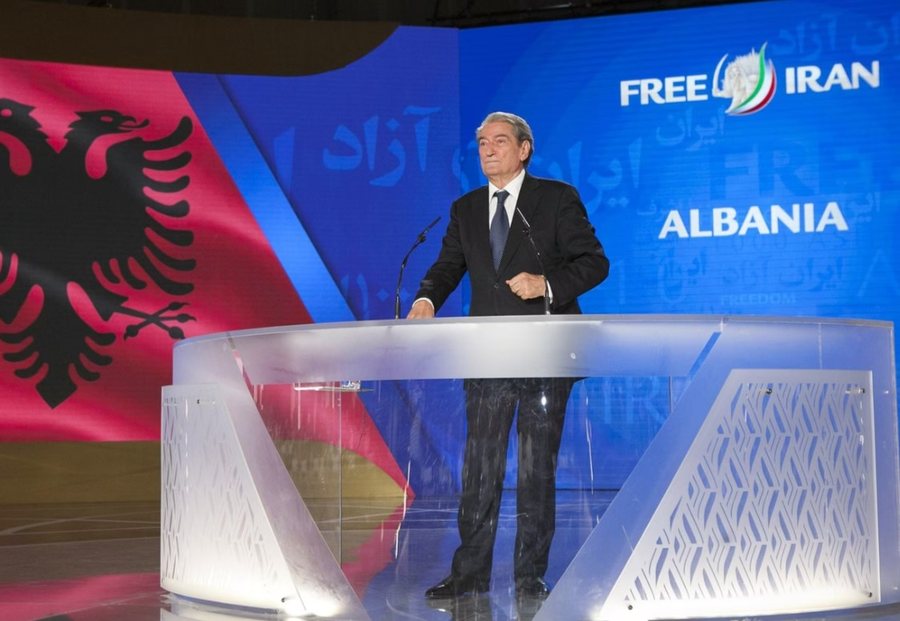
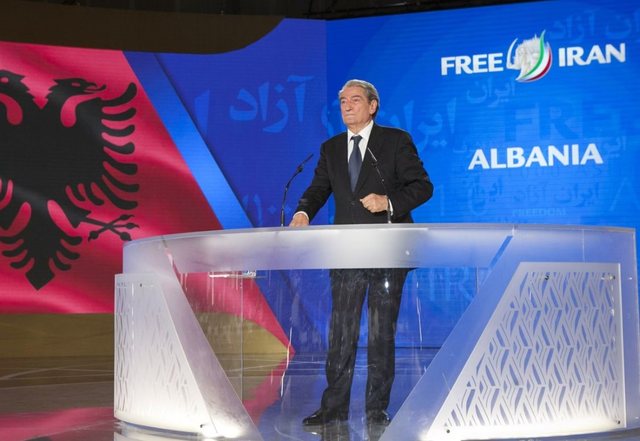
Që kur autoritetet filluan hetimet e tyre, politikanët janë vënë vazhdimisht në shënjestër të prokurorëve. Një prej tyre është Sali Berisha. Kreu i opozitës ndodhet në arrest shtëpie që prej janarit për shkak se SPAK e akuzoi për korrupsion. Më shumë se 15 vjet më parë, si kryeministër i asaj kohe, thuhet se ka privatizuar një kompleks shtetëror sportiv për interes të dhëndrit të tij. Sot ai mohon çdo shkelje dhe akuzon kryeministrin Edi Rama se ka nisur hetimet për arsye politike.
SPAK po merr masa edhe kundër politikanëve të rangut të lartë në partinë në pushtet. Tashmë janë arrestuar disa ministra. Një urdhër arresti ka edhe për ish-zëvendëskryeministrin Arben Ahmetaj. Thuhet se ai ka përvetësuar disa milionë euro që në fakt ishin të destinuara për impiantet e djegies së mbetjeve. I akuzuari është arratisur.
Disa politikanë të arrestuar dhe dëmi ekonomik që shkon në miliona euro, sugjeron se këtu ka një problem strukturor. Megjithatë, udhëheqja e qeverisë pretendon se këto janë “raste të izoluara”. Shumë ekspertë janë të kujdesshëm në komentimin e rasteve politike. Dyrmishi i drejtohet edhe një shembulli pa emër: "Së fundmi SPAK-u i konfiskoi tokën dhe pasuritë e paluajtshme një ish-shefi policie me vlerë një milion euro. Si mundet dikush i vetëm të përvetësojë shuma të tilla pa e vënë re asnjë institucion? Kjo është e pamundur!"
Popullsia e Shqipërisë mbetet skeptike
Një grua shijon diellin e mesditës në një stol parku në qendër të Tiranës. 50-vjeçarja Alketa Farasholli shprehet me maturi optimiste: “Mendoj se qeveria po bën një punë të mirë, kur shkojmë sot në zyrë ose te doktori punonjësit nuk thonë më direkt se duan lekë, ndryshimi po vjen! Ndoshta jo në thellësi, por të paktën në sipërfaqe".
Expert Dyrmishi says: "Corruption will be fought only to the extent that it does not endanger the ruling political elite". Despite his efforts to be objective, there is a hint of regret in his words. Pessimism is widespread. According to a 2022 survey, the majority of the Albanian population believes that the government is not taking the fight against corruption seriously and also that corruption has actually increased in recent years.
The population did not notice anything about the control of judges and prosecutors? "The population experienced that the staff was replaced when the government changed - but the corruption remained", says Dyrmishi. In any case, dismissed justice officials and arrested politicians are not suitable indicators to measure the success of the fight against corruption. "Success should be measured by the amounts returned to society," he adds.
And maybe it is still too early for a final decision, because according to the expert: "As for the fight against corruption, we are currently seeing only processes, but still no results." / Adapted "Pamphlet" from " MDR "




Lini një Përgjigje