


 Shkruar nga Pamfleti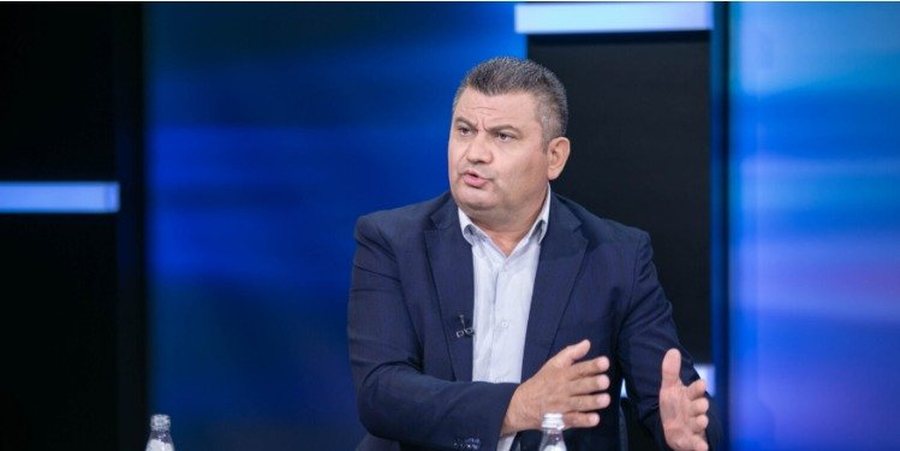
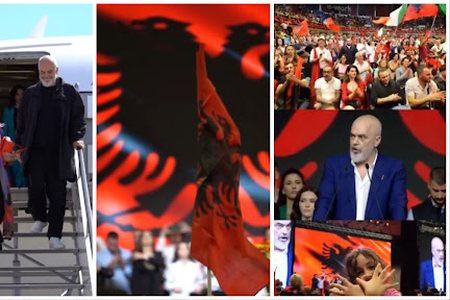
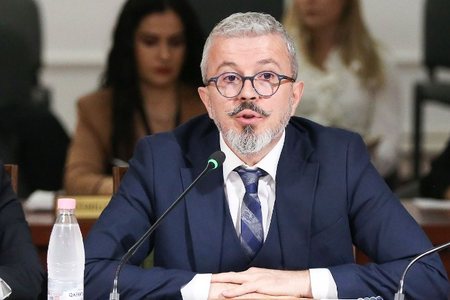
Journalist Mentor Kikia has commented on the last two meetings of Prime Minister Edi Rama with Albanian immigrants in Greece and Italy.
He said that Rama's tour with the Albanian diaspora is a preparation for the next election campaign, announcing an electoral campaign different from the past.
Kikia said that these meetings also serve as a test to understand where the Albanian diaspora is in relation to their political attitudes.
"As prime minister, it is his duty to meet even to talk about the problems that the citizens of his country have who live outside the territory. What is clear is that more than half of the population lives abroad and the number is growing. Every prime minister would have the duty to go to the countries where they live to show them that the motherland exists.
If we look at it in the political dimension, I consider it as part of the anteroom of the campaign for the next elections, but in this context a new approach that heralds a different campaign for the 2025 elections.
The vote of citizens living abroad has been on the table of Albanian politics regularly. I can't remember how many tables I've been to where everyone unanimously agrees that the diaspora vote should be. There is a confusion with the right, they have it, but they have to come to Albania to vote. What is recognized as a right is the opportunity for the state to allow them to vote where they are like any country in the world.
All parties agree, but they haven't had the courage to put it into law, let alone build the infrastructure. First, I think that Albanians abroad try to be bullied with the elements of nationality to turn them into patriots. By teasing them into the feeling of the homeland, they experience the guests who have come to them as the people who have brought the homeland to where they are.
These are forms of communication, but beyond that I think that here we are in a kind of testing to understand where the diaspora is in relation to their political attitudes. The strongest demand for the diaspora vote was made by the opposition because it thinks that the people here are counted by patronageists. Someone sells the vote for help, someone falls prey to blackmail, etc. Those outside do not sell the vote, they are not interested in jobs, etc. The opposition has a perception that they will vote for overthrow, but this has never been tested", he told "News 24".


Lini një Përgjigje