


 Shkruar nga Pamfleti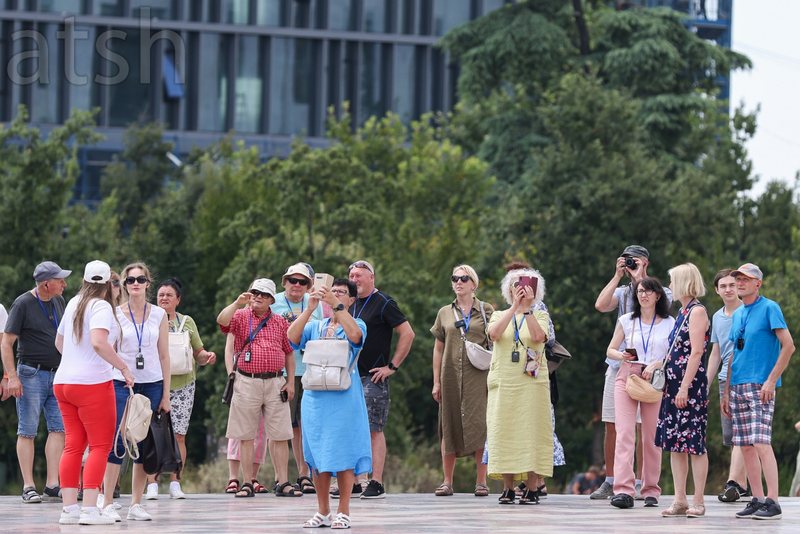
Autumn cultural tours managed to compensate for the decline in summer tourism, keeping this year once again at the top for the number of foreign visitors. By October, Albania had welcomed 11.1 million tourists, a figure that shows growth, albeit moderate.
Despite the numbers, businesses in the sector are not satisfied. Revenues are lower than expected and tourism operators attribute this to a clear change in the tourist profile: today, young people who come inspired by social networks and who aim to spend minimally predominate.
Tourism operators do not expect any surprises for 2026. It is seen as a natural continuation of this year. What is in question is sustainability. To guarantee this, concrete measures must be taken to improve the infrastructure in tourist areas, guarantee water and energy supplies, and improve service.
Almost at the end of the year, businesses in the tourism sector cannot clearly say whether 2025 was a year of success or decline.
Tour operators claim that in terms of visitor numbers, this year remains good, with a moderate increase that has come as a result of spring and autumn cultural tours.
In relation to the income generated, businesses in the sector are skeptical. The typology of tourists, mainly young, looking for experiences but without spending much, has brought less income for them. This result comes as an effect of a "marketing" that you cannot control.
It is the virality of videos on social networks that has convinced a good portion of tourists that Albania is an experience to try and, above all, very cheap, and it is they who have sought the cheapest options possible.
Accommodation was dominated by apartments or hostels, while consumption was dominated by shopping at supermarkets or fast food outlets. Of course, this does not apply to all tourists, but this was the predominant typology.
The balance has been made by tourists coming on cultural tours and senior citizens from Western Europe, who do not see the experience of Albania as a "check-in" but as a period of relaxation with more choices from the tourist offer.
There are tourists, but they are thrifty, the progress of 2025
By the end of October, 11.1 million foreigners visited Albania. At least, this was the figure reported by the Ministry of Tourism, Culture and Sports, with a 7% increase compared to January - October 2024.
This year is likely to record a somewhat lower growth than the previous year, but in total to exceed the 11.7 million visitors recorded by the end of 2024.
Despite a higher number of foreign arrivals, consumption has been weaker, leaving less money in the economy.
In terms of visitor numbers, we are at the expectations we had, meaning that this year would be the same as 2024. Perhaps the summer season could be considered a little weaker. They were low-cost tourists who chose Tirana, rural areas, and agrotourism.
"A characteristic of this summer season was the decline in quality tourists, that is, those who pay more and require more services. There was a decline in this group compared to 2024," says the President of the Albanian Tourist Union, Rrahman Kasa.
The change in tourist typology seems to be directly related to the form that influenced the choice of these foreigners to come to Albania, and most of them referred to social networks.
The virality that our country gained on social networks, which was initially associated with natural beauty, good food, and cheap prices, seems to have turned into a boomerang that has attracted more and more "savers" in a kind of "race" for the cheapest experience.
"It's not that we didn't have tourists this summer. Maybe we had the same or more, but what made the difference is the typology of the tourist."
This is a new typology dominated mainly by young people who prefer to spend little and create experiences.
"They are looking for cheaper alternatives. This age behaves like this everywhere, not just in Albania," claims Arben Çipa, from "Sipa Tours".
Autumn corrects summer, cultural tours increasingly popular
While summer presented a bleak situation for tourism, spring and now autumn improved the tourism balance of the year.
Tour operators say that this period has been a positive one and foreigners are increasingly preferring to visit the most culturally important cities in an organized manner, usually over one-week periods.
"Autumn is very good. There is a steady increase and many groups coming with organized cultural tours. Likewise, there are also many individual tourists who spend little and choose to stay in AirBNBs."
Cultural tours have been more sustainable. They are tourists who also spend a little more and choose to stay up to seven nights, moving around and exploring different places.
They visit the North, namely Valbona and Theth, visit historical places such as Berat and Gjirokastra and also stop in Saranda. So far we can say that the numbers are satisfactory”, – underlines Mr. Kasa.
The same trend is confirmed by Mr. Çipa, who, among the autumn months, singles out September, which made a difference for the balance of sand and sea tourism.
Cultural tours, especially concentrated in October and November, remain at satisfactory levels.
"A mix of independent tourists, meaning those who come individually, and tour operators who bring visitors on cultural tours in an organized manner has been noticed."
"The latter have had a satisfactory pace and even today, now that we are in November, the figures for cultural tours remain at good levels," he claims.
Nga shërbimi te mungesa e ujit dhe infrastruktura, pikat ku duhet të reflektojmë
Gjatë këtij viti, shërbimi në sektorin e turizmit ka vijuar të shfaqë presionin që sjell mungesa e fuqisë punëtore të thjeshtë, por sidomos asaj të kualifikuar.
Z. Çipa shprehet se shërbimi te ne mbetet ende elementar.
Ai gjykon se ndoshta viti tjetër do ta gjejë më të përgatitur sektorin sepse po rekrutohen vazhdimisht punonjës të huaj.
“Ndoshta mund të evoluojmë pak në shërbim, pasi pjesën më të madhe të stafit po e marrim nga jashtë dhe kjo do të na bëjë të mundur që të përmirësohemi disi, por duhet të vihet theksi te profesionistët e sektorit që janë pika kyçe”, – nënvizon z. Çipa.
Gjatë këtij viti, për rajone të ndryshme në vend, problemet ishin të theksuara dhe në shërbime bazë, të cilat për zonat turistike janë të pakonceptueshme.
Ndër to renditet mungesa e ujit në zonën e Golemit, mungesa e energjisë në disa zona, djegia e mbetjeve në Vlorë. Për z. Kasa këto janë elemente që përkeqësojnë vlerësimin e përgjithshëm turistik të Shqipërisë.
“Problem kryesor ka qenë mungesa e shërbimit. Turistët kanë pasur rezerva për këtë dhe nuk kanë nguruar ta shprehin si ankesë qoftë tek agjencitë e tyre, qoftë në biseda.
Kur ti paguan një dhomë me çmimin 300-400 euro është e pakonceptueshme që të të duhet të presësh 20 minuta për një kafe që është gjëja më e thjeshtë.
Problemeve të tjera ne u kemi dhënë zë vazhdimisht. Kryesisht ankesat janë për kantieret e ndërtimit që mbeten hapur gjatë sezonit.
Pra subjektet ndërtojnë fare pranë strukturave akomoduese dhe kjo e kthen pushimin në një stres për turistët.
Zhurmat që shkakton ndërtimi orar pa orar, inertet por edhe pamja që kanë objektet e papërfunduara nuk është aspak mikpritëse për syrin e një turisti dhe nuk të jep përshtypjen që je në një zonë turistike”, – nënvizon z. Kasa.
Viti 2026 pa surpriza, pritet të ketë të njëjtën ecuri si viti aktual
Viti 2025 pritet të mbyllet me një bilanc pozitiv për hyrjen e të huajve në Shqipëri, ku rritja pritet të jetë më e zbehtë se ajo e vitit paraardhës.
Operatorët turistikë shprehen se edhe për vitin tjetër nuk presin ndonjë surprizë, çka do të thotë se ecuria e sektorit pritet të mbetet pozitive, por ritmet e rritjes më të ngadalta.
Edhe tipologjia e turistit pritet që të mbetet e njëjtë me atë të këtij viti duke qenë se kryesimin e marketimit po e mbajnë rrjetet sociale.
Turizmi i organizuar do të dominohet sërish nga polakët teksa ai individual nga Kosova dhe Italia, edhe pse këto dy grupe po tregojnë luhatje herë pas here.
Duhet të shohim me kujdes këto tendenca, sepse shqiptarët e Kosovës dhe italianët janë dy grupet më të mëdha të turizmit të paorganizuar, kurse polakët më të mëdhenjtë në turizmin e organizuar dhe gjasat janë që kështu të mbetet tendenca edhe vitin tjetër.
Franca, nga ana tjetër, edhe pse me tendencë në rritje ka numër të vogël turistësh. Izraeli është një tjetër treg që ka pasur rritje. Janë të paktën 100 mijë turistë që kanë ardhur nga ky vend nga prilli e deri në tetor.
"The idea is that there is still interest for Albania, but we need to reflect and make our own corrections so as not to lose ground. The chances are that 2026 will be the same as 2025," says Mr. Kasa.
Even for Arben Çipa, the expectations are the same for next year, both in terms of income and the type of tourist./Monitor



Lini një Përgjigje