


 Shkruar nga Pamfleti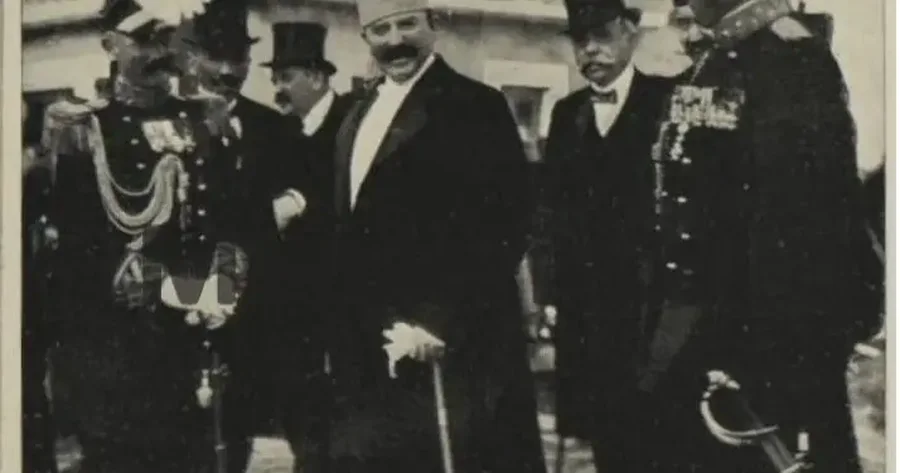
Esat, the son of Ali bey Toptan, was born in Tirana around 1860. His brother, Gani bey, was four years older. Since childhood, he was distinguished by his bad and hot-tempered character. His older brother was no less so and their father was the first victim of their bad character. One day they covered him with a mat soaked in oil and threatened to burn him. In fact, Ali bey was not mentally well. When he grew up, Gani bey behaved in Tirana like a real cub, instilling terror among his friends and enemies.
At a certain point, he was forced to flee to Greece, to escape the persecution of the Ottoman government: this was the beginning of his career, after Abdyl Hamit, alarmed by this escape, to which he attached political importance, withdrew him to Constantinople and inserted him into his bodyguard battalion.
In Constantinople, Gani Bey showed very little scruple and led a dissolute life; a rivalry arose between him and Xavit Bey, son of the Grand Vizier of that period, Halil Fuat Pasha, and Gani Bey was murdered one evening in Pera, by a person named Hafiz Pasha, a friend of Xavit Bey, mentioned above. This murder remained unpunished, which suggests that Abdyl Hamit Bey had grown tired of his favorite.
Esat had grown up in Tirana and had expanded his sphere of influence, which allowed him to free himself from rivals (the Jella family) and increase his wealth by means that were always illegal. After finding the means to willingly place himself in the service of Hafiz Pasha, governor of Durrës (not to be confused with his namesake, the murderer of Gani), he was appointed mayor of the Tirana district, a position that allowed him to go too far in his actions without being punished. Around 1895, he was appointed by the Sultan, commander of the Gendarmerie of Ioannina. This position cost him 1,500 Turkish liras, which were paid to Marshal Dervish Pasha.
What he had done illegally in Tirana, he began to do openly and officially in Ioannina. Dervish Pasha was at that time all-powerful in Istanbul. Ganiu was the Sultan's favorite and Esati could allow himself, without punishment, everything, although this position was both profitable and dangerous. He inaugurated in Ioannina the era of the use of gangs of Cubans, who replaced 30 mounted gendarmes, whom he put back into work, after receiving 25 Turkish liras from each.
During the Greco-Turkish War of 1897, he plundered all the cattle, both small and large, that he found, and after arriving in Ioannina as governor-general of Osman Pasha, he gave his affairs a greater boost, going so far as to take bribes, even of 20 francs, stealing the money of ordinary people, whom he threatened with exile, poking his nose into administrative and judicial matters, and profiting from everything.
It is impossible to make a list of his evil deeds, thefts and robberies. Among other things, we can mention: he managed to rob the monastery (Tekhe) of Peshtan (Përmet district); he robbed 900 Turkish liras from Baba Ahmeti, the head dervish of the Tekhe of Kostan; 640 liras from Baba Abedini, the Dervish of the Tekhe of Frashëri; 1200 liras from the brothers Xhelal and Mehmet bey Këlcyra, 200 liras from Abaz bey Vasiari.
After the murder of his brother Gani, Esat, thinking that he was in danger, sent to Constantinople his servant named Haxhi Mustafa, born in Kruja, who killed Xhavit Bey, in the middle of the Gallata Bridge. The murderer was arrested, tried and imprisoned, but was treated very leniently; in prison, he was a minor chief and a short time later he was released and appointed guard in the Ministry of Justice. From this it is assumed that Hamit Bey was pleased with the suppression of Xhavit.
Esati, although known by all as the real author of the murder, was not mistreated at all. But, little by little, his relations with the general government of Ioannina, Tatar Asman Pasha, became strained, also due to a scandal that occurred between the two. Esati was transferred to Shkodra, still with the duty of chief of the gendarmerie. This was an occasion for the tyrant to dictate to his fellow countrymen, since he resided in Tirana, instead of residing in the city of Shkodra, the capital.
Also, the strength he had gave him the opportunity to wreak havoc against those he did not like, those who could fight against his power, or who through their wealth could disturb him. It was precisely in this period that his power truly began in Tirana and Durrës, because, while persecuting honest people, at the same time he protected bad people and demanded from them the sharing of the illegal benefits that the latter could achieve; this was his way of guaranteeing public security, just as he had done in Ioannina.
The change of the Turkish regime, in 1908, found Esat in his post in Shkodra and with the fame of a despotic man, loyal to Abdyl Hamit and his way of administration, so he could not have good relations with the people of the new regime and had to be fatally exiled.
Por heroit tonë nuk i mungonte aspak shkathtësia: ai shkoi shpejt në Selanik, ku ndodhej selia e Komitetit Bashkimi dhe Progresi; thuhej se xhonturqit e kishin dënuar me vdekje, por 500 lira turke, qëndrimet e përulura dhe premtimet e rrema i dhanë atij mundësi të hynte në shërbim të shefave unionistë, të cilët e përkrahën dhe e ndihmuan të merrte mandatin e deputetit të Sanxhakut të Gjirokastrës për Parlamentin Osman.
Esati, i cili dikur ia detyronte madhështinë e tij Abdul Hamitit, këtë herë duhej të mbështetej te armiqtë e Sulltanit. Pra ai e kishte vendin në Dhomën Osmane, duke mos marrë asnjëherë pjesë në të, duke mos dashur të luajë asnjë rol si deputet shqiptar dhe që shqetësohej tepër pak për mbrojtjen e interesave të kombit të tij; ai mbajti më tepër një qëndrim servil me padronët e kohës, deri në atë pikë sa u caktua nga këta të fundit si anëtar i delegacionit që do t’i njoftonte Abdyl Hamitit rrënimin e pushtetit të tij.
Esati njihej atëherë si një nga shefat unionistë dhe këto marrëdhënie të mira vazhduan për sa kohë që këta të fundit kishin pushtetin; dhe kur xhonturqit filluan të dobësohen, kur partia kundërshtare, e quajtur liberale, dukej se po korrte sukses, Esati e ndryshoi menjëherë kampin, duke u shprehur armik i Talatëve, i Xhavitëve dhe i Xhahidëve. Pikërisht në këtë çast nacionalistët e rinj shqiptarë hynë në lidhje me të në Kostandinopojë: ai premtoi ndihmën e tij për lëvizjen anti-turke që zhvillohej në Shqipëri (fillim i vitit 1912).
Megjithatë. mbasi ia njihnin karakterin dinak dhe oportunist, nacionalistët u treguan të kujdesshëm dhe nuk u bazuan plotësisht në fjalën e tij. Kur shqiptarët, të cilët dolën fitimtarë në Shkup, arritën ta detyronin Dhomën të shpërbëhej dhe përgatitën formimin e qeverisë liberale të Myftar Pashës. Esati u emërua komandant i rezervistëve në Shkodër dhe me këtë detyrë, ai mori pjesë në luftën kundër serbo-malazezve, që rrethuan qytetin e Shkodrës (1912-1913).
Komandant i forcave të Shkodrës ishte koloneli Hasan Riza Bej (më parë quhej Hasan Riza Pasha). I konsideruar inteligjent e i paanshëm, dhe duke e kuptuar se shqiptarët (të mërzitur nga regjimi turk) do t’i ndihmonin malazezët, ai hartoi projektin për të ngritur flamurin shqiptar në Kështjellën e Shkodrës, me qëllim që të gruponte shqiptarët dhe t’i bënte ata të marshonin kundër agresorit sllav, ose të paktën për të siguruar asnjanësinë e tyre.
Në fakt, pavarësia e Shqipërisë u shpall në Vlorë (28 Nëntor 1912) dhe ishte fjala të bindeshin malësorët (malësorë të rrethinave të Shkodrës), se çështja e këtij qyteti ishte çështje e tyre. Në çastin kur Hasan Rizai do ta zbatonte këtë projekt dhe se ishte gati të merrej vesh me malësorët, ai u vra në mbrëmje përpara shtëpisë së Esat Toptanit, tek i cili ai sapo kishte qenë për darkë. Vrasësi ishte Osman Bali, shërbëtor dhe njeri besnik i Esatit.
Për të shpjeguar këtë krim, duhet ditur se Hasan Riza ishte një kundërshtar i komitetit “Bashkim e përparim” dhe se ai donte të vinte kandidaturën e tij në Bagdad si deputet liberal. Nga ana tjetër, shefi i shtatmadhorisë së tij, nënkoloneli Kiameran ishte, së bashku me disa oficerë të tjerë, një fanatik unionist; Esati donte të shpëtonte nga Hasan Rizai, për ta zëvendësuar vetë atë dhe Kiemerani ishte i kënaqur të hiqte qafe një armik të partisë së tij; Esati dhe Kiamerani u morën vesh deri në fund, domethënë deri në kapitullimin e qytetit, gjë që ndodhi në vitin 1913.
Thuhej se Shkodrës i mungonin ushqimet por, nga ana tjetër, të rrethuarit ishin paralajmëruar se serbët që mbanin të rrethuar qytetin, në bashkëpunim me malazeztë, sapo ishin larguar: pra ata ndodheshin përballë forcash të reduktuara dhe, për më tepër, Mbretit Nikita i ishte dorëzuar ultimatumi i Fuqive të Mëdha për ta hequr ai vetë rrethimin.
Esati, pra, kishte shumë mundësi ta zgjaste rezistencën edhe për disa ditë, por ai parapëlqeu të kapitullojë duke u mjaftuar të shpëtojë nderin e tij ushtarak. Por qysh nga ajo periudhë ka pasur zëra se gëzimi i Esatit kishte shkaqe të tjera nga ato të “Ndereve” ushtarake dhe se një shumë prej 600.000 frangash iu dha nga malazezët.
Gjithashtu, Mbreti Nikita e princi Danillo, e ndihmuan në ambiciet e tij personale; po ditën e kapitullimit të qytetit, malazeztë përhapën zëra se Esati e kish shpallur veten Mbret i Shqipërisë. Megjithatë Esat bej Toptani u mjaftua. në fillim, të tërhiqet në Tiranë, me ushtarë dhe topa që i solli nga Shkodra. Ai kënaqej me përfitimet dhe intrigat që thurte, duke përkëdhelur pasionet e ulëta, fanatizmin fetar të klasës reaksionare dhe duke mos u sprapsur përpara asnjë premtimi, përballë asnjë mjeti terrorizimi.
Por, pak nga pak, u përvijua qëndrimi i tij: ishte e qartë se ai ishte nxitur nga sllavët dhe grekët, duke u premtuar të parëve Shkodrën dhe të dytëve, Shqipërinë e Jugut. Ai nuk gjente në vend shumë përkrahës, por përdorte forcën që i siguronin shqiptarët e Dibrës dhe të Ohrit, rajone që ishin aneksuar së fundi nga serbët dhe të cilëve u premtonte çlirimin e vendit të tyre. Premtim mashtrues që merrte një ngjyrë të vërtetë nga diskutimet e serbëve, të cilat linin të shpresohej për evakuimin e Dibrës dhe Ohrit në rastin kur Shqipëria do të njihte Esat Pashën.
Për më tepër, duhet nënvizuar se mbasi afro 50 fshatra ndërmjet Dibrës dhe Ohrit u shkatërruan nga serbët – tetor 1913- Esati gjeti një pretekst më shumë për arratisjet e tij në Tiranë dhe në rrethinat e saj. Duke e ndjerë veten të fortë nga kjo mbështetje, Esati e shpalli veten të pavarur nga qeveria provizore e Vlorës. Rusia pa dyshim mbështeste Esatin dhe Italia nuk vonoi ta tërhiqte atë në sferën e saj, me shpresën për t’ia kundërvënë Austrisë dhe për të kundërshtuar ndikimin e kësaj rivaleje….!
…He declared himself for the first time when the issue of the Empire erupted. It is known that, after Greece did not want to obey the decisions of the London Conference and evacuate Southern Albania (Korça and Gjirokastra), it used a criminal comedy called autonomous Epirus, which cost Albania 300 villages burned and reduced to ashes by the Greeks. The South requested reinforcements with weapons and troops, and Esat cynically refused them.
The goal pursued was obvious. It was about protecting the Greeks, weakening Albania, reducing it (especially the southern provinces, which had recognized him as the chief of the gendarmerie and were very opposed to him) and achieving imposition on the small central Albania. But a short time later, Esat's betrayal took on an even more serious character, when his complicity in the riots that took place in the vicinity of Durrës was recognized.
He was then arrested and would have been tried and sentenced, had it not been for the intervention of Italy, which took him to its defense and removed him from the hands of the authorities. Baron Aliotti, the plenipotentiary minister of Italy, ordered that he be taken on an Italian ship; before leaving Albania, Esati pledged, swearing in writing, never to set foot in Albania again.
But after Prince Vid left Albania, this oath was forgotten by Esat; he went from Rome to Greece and Serbia and with a force recruited in Serbian territory, he appeared in Durrës. His first action was to go to the prince's palace, to sever the connections established by the international commission and to wreak havoc with the precious objects that were there, objects that are for the most part still in Geneva today, in the house that Esat had rented there.
Esat was struggling in Durrës, where he was surrounded by the population, who would have forced him to leave the city and Albania, if it were not for the Serbs who came to his aid, who unblocked him, gave him the troops and the necessary sides to impose themselves on the Albanians. The tyrant took advantage of this power to take revenge on his enemies - thirty people were executed and many were killed: among them we mention Koxhati, the prefect of Durrës, who had been invited by Esat to his house. /Memorie.al








Lini një Përgjigje