


 Shkruar nga Pamfleti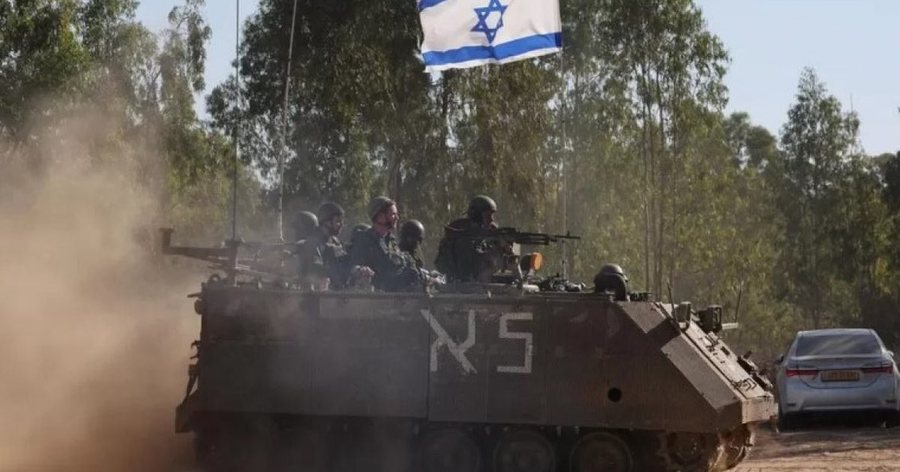
Israel's leaders have declared that Hamas will be wiped off the face of the earth and that the Gaza Strip will never be the same again.
"We have set two goals for the war: to eliminate Hamas by destroying its military and governance capabilities and to do everything possible to bring the hostages home," Israeli Prime Minister Benjamin Netanyahu said as Israel ramped up ground operations. in Gaza.
Operation Iron Sword was launched in response to the killing of more than 1,400 Israelis by Hamas gunmen, while Israel's prime minister has said the army is fighting "for our right and the right of future generations to live in security." in our homeland".
The goal to end the rule of Hamas has also been approved by the US Secretary of State, Antony Blinken, BBC reports . Israel's goals seem far more ambitious than anything the military has planned in Gaza before and could take months. But are they realistic and how can they meet these expectations? Entry into the Gaza Strip involves urban house-to-house fighting and carries great risks for a civilian population of more than two million. Officials in Hamas-run Gaza say more than 9,000 people have already been killed and hundreds of thousands more have been driven from their homes.
The Israel Defense Forces (IDF) are tasked with rescuing 239 hostages, held in unknown locations across Gaza. "I don't think Israel can dismantle every member of Hamas, because it's an extremist Islamic idea," says military analyst Amir Bar Shalom of Israel Army Radio. "But you can weaken it as much as you can so that it has no operational capability."
Weakening Hamas may be a more realistic objective than total dismantling. Israel has already fought four wars with Hamas and every attempt to stop the rocket attacks has failed. An IDF spokesman said the main goal was to stop Hamas from having the military capacity to "threaten or kill Israeli civilians". Michael Milstein, head of Tel Aviv University's Palestinian studies forum, agrees that destroying Hamas would be very complicated. He says it is too much to pretend you can root out the idea that embodies Hamas - the Muslim Brotherhood offshoot that has influenced Islamic movements around the world.
In addition to the 25,000 members of Hamas' military wing, it has another 80,000 to 90,000 members who are part of the social welfare infrastructure, or Dawa, he says.
Land invasion is fraught with dangers
The military operation is at the mercy of several factors that can disrupt it. Hamas's armed wing, the Izzedine al-Qassam Brigades, is reportedly highly prepared for an Israeli offensive and could use its notorious and extensive network of tunnels to attack Israeli forces.
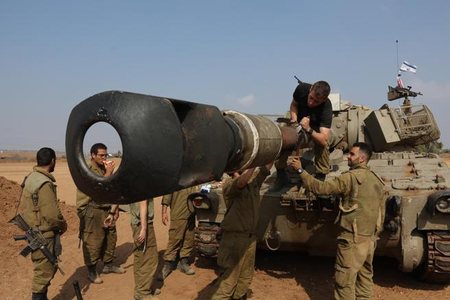
In 2014, Israeli infantry battalions suffered heavy casualties from anti-tank mines, snipers and booby traps, while hundreds of civilians died in fighting in a northern neighborhood of Gaza City. Once again, the number of civilian casualties has increased since the expansion of ground operations on October 27, and the IDF has lost a large number of soldiers during the fighting. Israelis have been warned to prepare for a long war, and a record number of 360,000 reservists have been called up for duty.
The question is how long Israel can continue the campaign as international pressure mounts for a ceasefire, with water, electricity and fuel supplies cut and the United Nations warnings of an unfolding humanitarian catastrophe. "The government and the military feel they have the support of the international community - at least Western leaders. The philosophy is 'let's mobilize, we have plenty of time,'” says Yossi Melman, one of Israel's leading security and intelligence journalists. But sooner or later he believes Israel's allies will intervene if they see images of starving people. Pressure will also increase as civilian casualties continue to mount.
"It's very complicated because it takes time and the US administration won't let you stay in Gaza for a year or two," says Michael Milstein.
Many of the hostages are Israeli, but there are also a large number of foreign nationals and dual nationals among them, meaning that several other governments – including the US, France and Great Britain – have interests in the operation and their safe release.
Israeli President Isaac Herzog has said that Israel's top priority is to bring the hostages home. But French strategic specialist Colonel Michel Goya believes the IDF has a direct choice, either sparing the lives of the hostages or going to "do as much damage to Hamas as possible". Shocking pleas from families of those held captive by Hamas are increasing pressure on Israel's leaders as Hamas' political leader in Gaza, Yahya Sinwar, has said they are willing to exchange all hostages for the thousands of Palestinian prisoners being held. in Israeli prisons.
Such an agreement is unlikely to be reached. In 2011, Israel exchanged more than 1,000 prisoners for the release of a soldier, Gilad Shalit, held by Hamas for five years. Jahya Sinwar was among those released and is now their leader in Gaza.
The neighbors are watching closely
Ajo që mund të ndikojë gjithashtu në kohëzgjatjen dhe rezultatin e një ofensive tokësore është se si reagojnë fqinjët e Izraelit. Kalimi kufitar i Egjiptit, Rafah me Gazën është bërë një pikë qendrore humanitare për furnizimet që hyjnë në Gaza. Qindra mbajtës të pasaportave të huaja dhe disa nga të plagosurit janë lejuar të largohen, por të tjerë kanë mbetur përtej kufirit.
“Sa më shumë të vuajnë qytetarët pas fushatës ushtarake izraelite, aq më shumë presion do të ketë tek Egjipti, për t’u dukur sikur nuk ua ka kthyer shpinën palestinezëve”, thotë Ofir Winter i Institutit të Studimeve të Sigurisë Kombëtare të Izraelit. Por, kjo nuk do të shtrihet në Kajro duke lejuar një kalim masiv të palestinezëve në veri të Sinait. Presidenti Abdul Fattah al-Sisi ka paralajmëruar se çdo përpjekje për të zhvendosur banorët e Gazës në gadishullin Sinai do t’i shtyjë egjiptianët të “dalin dhe të protestojnë”. Mbreti Abdullah i Jordanisë ka folur gjithashtu për një “vijë të kuqe” rreth çdo përpjekje të mundshme për të dërguar refugjatët palestinezë drejt shtetit jordanez. “Nuk ka refugjatë në Jordani, nuk ka refugjatë në Egjipt”, pohoi ai.
Cili është fundi i Izraelit për Gazën?
Nëse Hamasi do të dobësohej ndjeshëm, pyetja është se kush do ta zëvendësonte atë. Izraeli tërhoqi ushtrinë dhe mijëra kolonë nga Rripi i Gazës në vitin 2005 ndërsa nuk e ka ndërmend të kthehet si një forcë pushtuese. Presidenti amerikan, Joe Biden thotë se “do të ishte një gabim i madh”. Një vakum pushteti do të krijonte gjithashtu rreziqe shumë serioze dhe Milstein paralajmëron se rreziku i zgjidhjes së një problemi është në gjetjen e dhjetë të rejave. Ofir Winter beson se një ndryshim në pushtet mund të hapë rrugën për kthimin gradual të Autoritetit Palestinez (PA), i dëbuar nga Gaza në vitin 2007.
PA aktualisht kontrollon pjesë të Bregut Perëndimor, por është e dobët atje dhe bindja e saj për t’u kthyer në Gaza do të ishte shumë e ndërlikuar. Antony Blinken ka thënë se do të kishte “më shumë kuptim që një PA efektive dhe e rigjallëruar” të drejtonte Gazën, megjithëse një numër vendesh të tjera në rajon mund të marrin pjesë në “rregullime të përkohshme” që mund të përfshijnë agjenci ndërkombëtare.
Kombet e Bashkuara drejtuan përkohësisht Kosovën pasi forcat serbe u tërhoqën në vitin 1999, por Izraeli i beson shumë pak OKB-së. Një opsion tjetër mund të jetë krijimi i një administrate, të drejtuar nga kryebashkiakët, fiset, klanet dhe organizatat joqeveritare të Gazës, me përfshirje nga Egjipti dhe SHBA, PA dhe shtete të tjera arabe, thotë Michael Milstein. Vetë presidenti i Egjiptit nuk ka treguar interes për kontrollin e Gazës, por ka theksuar se nëse “një shtet palestinez i çmilitarizuar do të ishte krijuar shumë kohë më parë përmes negociatave, nuk do të kishim tani luftë”.
Gaza's destroyed infrastructure will eventually have to be rebuilt to the way it was after previous wars. Israel will want even tighter restrictions on "dual-use goods" entering Gaza that can have both a military and civilian purpose. And there have been calls for an expanded buffer zone along the fence with Gaza providing greater protection for Israeli communities. Whatever the outcome of the war, Israel will want to ensure that a similar attack never happens again.




Lini një Përgjigje