


 Shkruar nga Pamfleti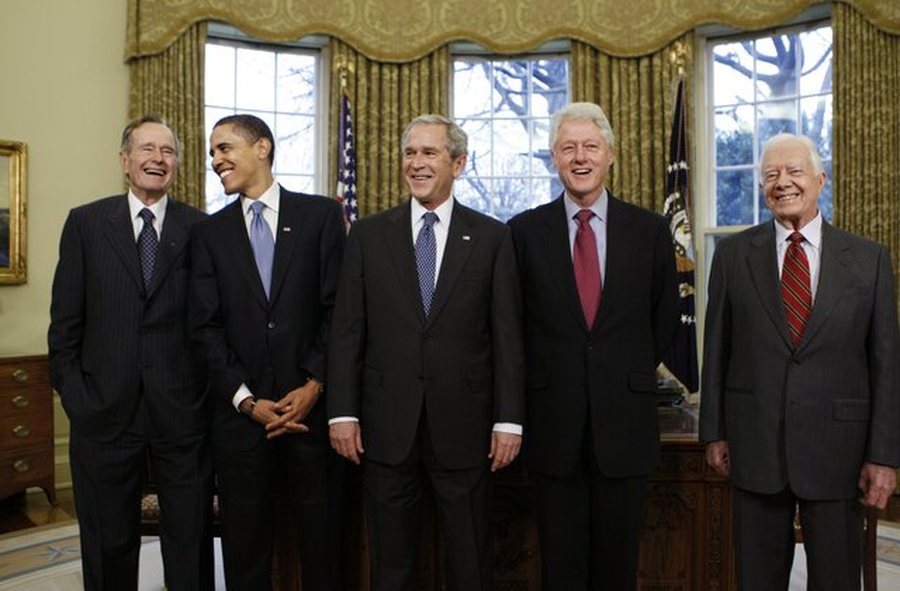
The world's confidence in the capacity of Western liberal democracies to craft policies and find agreements to address these critical challenges would be significantly higher if the US were still capable of bipartisan leadership. But at a time when Republicans in Washington are undermining the very foundations of electoral politics, that seems highly unlikely.
In December 2003, nearly 9 months after the start of the Iraq War that would define his legacy once and for all, then-US President George W. Bush was asked whether his administration's policies were in line with with international law.
"I don't know what you are talking about in terms of international law. I'd better consult with my lawyer," he said jokingly. Bush's disastrous military adventurism illustrated very clearly the importance of international norms and institutions, as well as the consequences of ignoring them.
Sadly, we seem to have forgotten this lesson again. Since the end of World War II, the United Nations has been the cornerstone of the rules-based international order. While many other international agreements deal with issues such as chemical weapons, biological warfare and regional stability, the UN is entrusted with the primary role of maintaining global peace and stability.
And what made it effective, at least for a while, was the support of the world's liberal democracies, and more importantly, the unwavering commitment of Democratic and Republican administrations in the United States. Certainly, the US has for some time displayed a double-standard behavior regarding some aspects of the international order, as evidenced by its long-standing refusal to join the International Criminal Court.
For the most part, however, it has adhered to global regulation, despite the enormous political and economic power it gained after World War II, which allowed it to do whatever it wanted unilaterally.
Everything changed with the Bush administration's decision to invade Iraq, a sovereign country, in the face of fierce international opposition, and without the approval of the UN Security Council. By doing so, the US severely damaged its credibility and undermined the global rules-based system, and provided many African and Latin American countries with a credible reason not to condemn Russia for its invasion of Ukraine.
Edhe India ka mbajtur një qëndrim neutral ndaj Ukrainës, duke përfituar nga sanksionet ekonomike të udhëhequra nga SHBA për ta blerën naftë ruse me një ulje të madhe të çmimit, pavarësisht thellimit të lidhjeve midis Kremlinit dhe Kinës, rivalit kryesor gjeopolitik të Indisë.
Teksa demokracitë liberale po përpiqen të arrijnë disa marrëveshje të mëdha ndërkombëtare për të adresuar sfidat e mëdha politike, ekonomike dhe sociale të shekullit XXI – sidomos ndryshimet klimatike dhe migracionin masiv – ato duhet të përballen me trashëgiminë e mosbesimit dhe ndarjes që la pas Lufta e Irakut.
Sidomos adresimi i presioneve të ardhshme migratore, do të jetë i pamundur të arrihet pa marrëveshje ndërkombëtare dhe pa bashkëpunimin e vendeve me të ardhura më të ulëta në Jugun Global. Për shembull, popullsia e Afrikës pritet të dyfishohet deri në vitin 2050.
Për të shmangur një kombinim toksik të paqëndrueshmërisë politike, luftës dhe mjerimit ekonomik të përkeqësuar nga klima që mund të prekë qindra miliona njerëz në të gjitha rajonet më të cënueshme të kontinentit, demokracitë liberale të Evropës duhet të përdorin inovacion shtetëror, ndërhyrjen e sigurisë dhe një ndihmë të madhe për nxitjen e zhvillimit ekonomik.
Pa masa të tilla, vendet e Evropës Perëndimore mund të përballen me një valë masive emigracioni, e cila në mënyrë të pashmangshme do të sillte sfida sociale serioze, dhe që do të nxiste më tej forcimin e politikave populiste.
Megjithatë, aktualisht duket se strategjia kryesore e Evropës për trajtimin e emigracionit të paligjshëm është të shpresohet që perspektiva e vdekjes në Detin Mesdhe ose Kanalin Anglez do t’i frenojë azilkërkuesit.
Por siç e tregon përvoja e kohëve të fundit e Mbretërisë së Bashkuar, masa të tilla edhe pse shumë popullore në tabloidët e krahut të djathtë, nuk adresojnë shkaqet themelore të problemit. Ndërsa vendet evropiane përballen me plakjen e popullsisë dhe një rënie të numrit të njerëzve në moshë pune, është gjithnjë e më e dukshme nevoja për një politikë të ndjeshme ndaj emigracionit që merr parasysh nevojat afatgjata të vendeve.
Vendosja e ekuilibrit të duhur midis lehtësimit të emigracionit të nevojshëm dhe kufizimit të numrit të njerëzve që hyjnë ilegalisht, do të jetë një nga sfidat përcaktuese të Evropës gjatë dekadave të ardhshme. Kjo çështje po e dominon tashmë debatin politik, duke pasur madje fuqinë për të rrëzuar qeveritë, siç bëri së fundmi në Holandë, dhe duke nxitur forcimin e ekstremistëve të krahut të djathtë.
Por duke pasur parasysh sfidat demografike të kontinentit, garantimi i shërbimeve publike thelbësore dhe ruajtja e rritjes ekonomike, do të kërkojë pranimin e shumë më shumë emigrantëve sesa do të preferonin Marine Le Pen e Francës dhe Nigel Farage i Britanisë së Madhe.
Kërcënimi ekzistencial i shkaktuar nga ndryshimet klimatike, nxjerr në pah nevojën emergjente për të kapërcyer hendekun e besimit midis vendeve të zhvilluara dhe atyre në zhvillim.
Në këto kushte, komuniteti ndërkombëtar duhet të gjejë konsensusin se si të reduktojë emetimet e gazrave serë në atmosferë, dhe të sigurojë që ata që janë më të prekur nga efektet e ngrohjes globale – vendet me të ardhura të ulëta që janë më pak përgjegjëse për krijimin e tij – të mos ngarkohen me një barrë disproporcionale.
The world's confidence in the capacity of Western liberal democracies to craft policies and find agreements to address these critical challenges would be significantly higher if the US were still capable of bipartisan leadership. But at a time when Republicans in Washington are undermining the very foundations of electoral politics, that seems highly unlikely.
Many of America's current internal political divisions were widened by the Iraq War. While presidents like Franklin Roosevelt, Harry Truman and Dwight Eisenhower showed that effective leaders can make the world a safer and better place, even in the face of great adversity, the Bush presidency showed that the opposite is just as true./ Taken by "Project Syndicate"




Lini një Përgjigje