


 Shkruar nga Pamfleti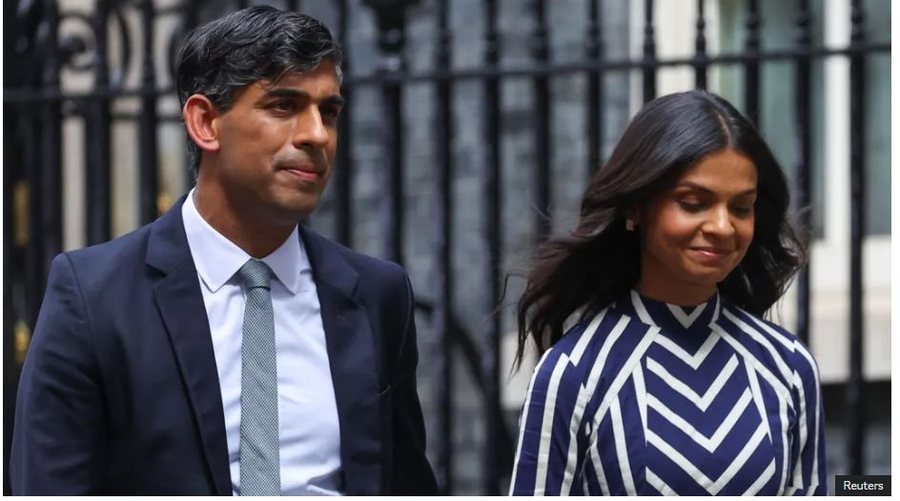
Scandals rocked the party in an unpleasant way, from block parties to allegations of sexual misconduct to a mini-budget that contributed to rising interest rates. An election betting saga was the cherry on top.
The Conservative Party was used to being almost the Manchester City of politics. A winning blue car for so long that some of its key players barely remember anything else.
But the generation that produced conservative prime ministers in four consecutive elections has reached its end. Many conservatives, winners and losers alike, are almost speechless and still processing it.
One told me that they were simply "not coherent". Now a reflection is starting on what went wrong with their tactics and leadership. When I talk to conservatives, certain themes come up again and again.
Some feel that Labour's policy offering was not drastically different from theirs, but feel that the choice was made more around perceptions of "competence". They have had five leaders and prime ministers in less than 10 years.
Seismic events, from Brexit to Covid to multiple leadership contests, have split the party into ideological factions. Some conservatives spent more energy plotting to take each other down than dealing with the opposition and never made things right.
Scandals rocked the party in an unpleasant way, from block parties to allegations of sexual misconduct to a mini-budget that contributed to rising interest rates. An election betting saga was the cherry on top.
When I asked former Whip boss Sir Mark Spencer during the campaign whether the party had behavior problems, he mentioned that other parties also had to suspend MPs for poor behavior - which is true - but admitted that it had become too regular.
Then there was the undoubted desire for change – a word Labor used in its campaign. The cost of living, NHS waiting lists and small boats were all issues that voters brought to the doorstep - and they felt they were getting worse, and not getting better.
Nigel Farage's late return to the fray meant the latter issue became a particular thorn in the Tories' side, with some right-leaning voters switching to UK Reform demanding tougher immigration policies and higher taxes. low.
The rhetoric and policies that sought to win them back alienated some more centrist Tories, who left the party for Labor or the Liberal Democrats, leaving the Tories stuck in the middle. This was a more comfortable change for some centrists who did not think they could vote Labor under Jeremy Corbyn.
Did these circumstances mean that defeat was inevitable? Most conservatives I spoke to described the result as "not unexpected," but some felt its scale could have been moderated. There were avoidable blunders – like Rishi Sunak leaving D-Day commemorations early.
While Boris Johnson was also prone to gaffes, some of his fans felt that Mr Sunak did not charm voters in the same way. The former prime minister was still shouting 'Boris! Boris!' at an eleventh hour rally to try to get the campaign going.
There is still lingering confusion among some as to why Mr. Sunak decided to call the election in July. Their campaign guru, Isaac Levido, had argued for a later date - hoping that by then there would be more "measurements" to demonstrate that their policies were having an impact.
A flight of asylum seekers heading to Rwanda, for example, or an interest rate cut. But he lost that argument. And the Conservatives had little evidence in their armory of some of their policies working when they went to the polls.
The risk of the alternative, argued the critics of Mr. Levido, was that more bad news could be on the way for the Tories – more Channel crossings this summer, more offenders being released due to prison overcrowding, failing universities.
But from politics and identity, what else could the Conservatives have done? This is where their focus will be now as the search for the reasons for the party's defeat begins. /BBC/




Lini një Përgjigje