


 Shkruar nga Pamfleti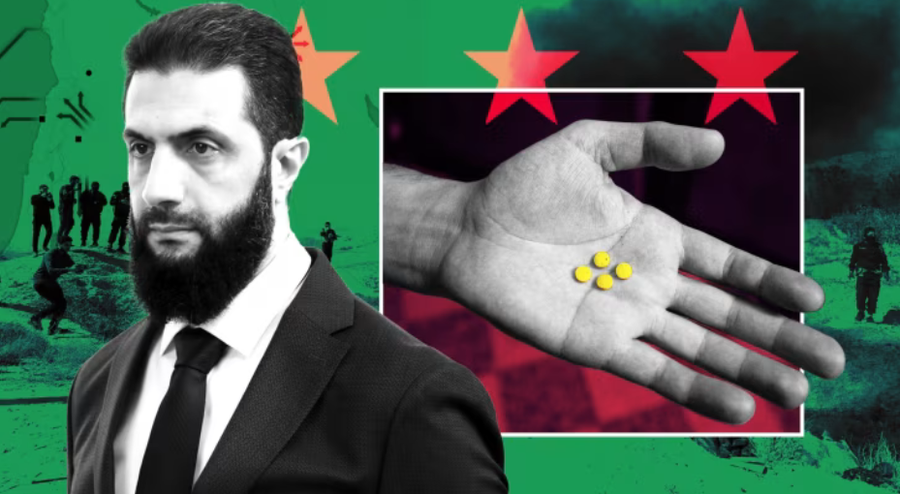
Demand for Captagon has not waned: the cheapest pill sells for 30 cents in Damascus, while higher-quality versions fetch up to 30 times as much.
Following the fall of Bashar al-Assad's regime, Syria is facing a new battle: eradicating the trade in Captagon (synthetic amphetamine), the stimulant drug that became a symbol of the regime's power and finances.
Under the Assad regime, Captagon production had turned the country into one of the world's largest narco-states, funding the civil war with billions of dollars and involving the army and pro-regime militias.
Ahmed, a former Syrian soldier, tells how he used the capsules to survive the fall of Damascus, saying the drug gave him the energy to face the rebels. Now, with Captagon gone, crystal meth is the alternative to continue social and nightlife life in Damascus.
Although Ahmed still occasionally takes a pill in Damascus nightclubs, Syria has seen an unexpected turn since December, an all-out war on drugs.
"Syria became a major factory for Captagon. And today Syria is being cleansed of it, by the grace of God Almighty," al-Sharaa declared in Damascus' Umayyad Mosque shortly after taking power.
The results have been swift. Production and trafficking have dropped by up to 80%, according to drug dealers, law enforcement, regional officials and researchers, while authorities have dismantled drug labs in former regime strongholds and destroyed millions of pills.
Demand for Captagon has not waned: the cheap pill sells for 30 cents in Damascus, while higher-quality versions fetch up to 30 times as much in Jordan, Saudi Arabia and the United Arab Emirates.
Anti-narcotics forces face corruption within their ranks and skilled smugglers, using drones, rockets and remotely controlled balloons to transport the pills to the border with Jordan.
Meanwhile, citizens and former soldiers like Ahmed face a lack of addiction treatment services: Syria has only four treatment centers, most of which offer only a two-week period of drug withdrawal. The high prices of Captagon have pushed many users to more dangerous drugs, exacerbating the health crisis.
Ahmed concludes: "Despite all that we have been through, the government cannot completely stop us. Drugs will always find a way to survive."
Dr. Ghamdi Faral, director of Ibn Rushd Hospital, which houses an addiction center in Damascus, said it was "not at all enough to address the scale of the problem in Syria."
According to him, the state can barely afford this in its current state. Ghamdi also said that, with the shortage of Captagon causing prices to rise across the country, many users have turned to cheaper and more dangerous substitutes, such as crystal methamphetamine.
This includes Ahmed, whose use of crystal methamphetamine led to the replacement of several teeth. While the drug's effects were more intense, he preferred to use Captagon, which he now uses more to party than to survive military conscription./ Adapted from the Financial Times.



Lini një Përgjigje