


 Shkruar nga Pamfleti
Over time, Iran's influence appears to be growing. The longer the war drags on, the higher the costs become for Trump, increasing the likelihood that he will be forced to accept a less favorable deal.
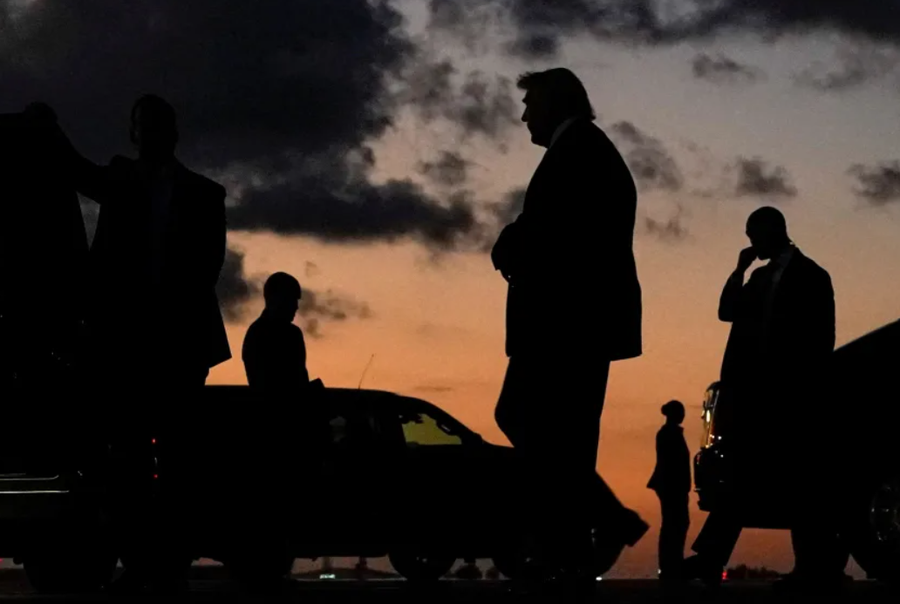
Donald Trump likes to tell Ukraine that it has no “cards” in its devastating war with Russia. But the US president is facing growing questions about the strength of his game in the war with Iran.
On the surface, the United States, with a population more than three times that of Iran and the most powerful military and economy in the world, has an overwhelming advantage in the balance of power. Add to that Israel’s tested military and vast intelligence apparatus, and the conflict looks uneven.
But Iran, by turning its few areas of advantage into painful pressure points for the US and forcing its citizens to face dire consequences, has done more than survive. Some analysts believe it has seized the strategic initiative.
A month later, the war has devolved into a contest for influence. Trump may have more power, but achieving a clear victory will likely require accepting a level of political and economic damage that he seems unwilling to bear.
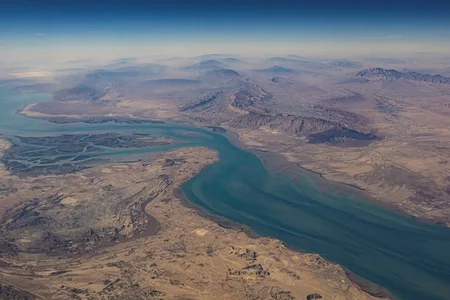
Iran cannot defeat the US and Israel, but it has played its strongest card by closing the Strait of Hormuz, a key point for energy exports, holding the global economy hostage and increasing political costs for the US.
The strategic weakness that undermines U.S. military superiority was highlighted during a White House press conference. Press Secretary Caroline Leavitt cited Iran’s willingness to allow 20 additional tankers to pass through the Strait as a victory for “the president’s diplomacy.” However, that figure remains far below the pre-war average of more than 100 ships per day, according to data from the U.N. Trade and Development.
The reality for Trump is that the US has the military power to open the Strait. But such an intervention would give Iran a propaganda victory if it were to hit or sink an American ship. Such an operation could also require ground troops, increasing the risk of American casualties and the domestic political costs.
The same limitations apply to other options, including an intervention on Kharg Island, the main hub of Iran's oil exports in the Persian Gulf. Trump has said he might aim to control Iranian oil, but such a move would not guarantee Tehran's capitulation and could further escalate the conflict.
Meanwhile, Trump claims that diplomacy is taking place behind the scenes, despite denials from Iran, while simultaneously threatening to use force to force Tehran to negotiate.
The deployment of thousands of US Marines and more than 1,000 airmen to the region has raised concerns about escalation. "This is far from a standstill. It seems almost certain that an escalation phase is approaching," said Ian Bremmer.
Trump has previously warned that in the absence of a deal, the US could “totally destroy” Iran’s energy infrastructure, including power plants, oil wells and Kharg Island. Such an action would trigger immediate Iranian retaliation against targets in US-allied countries in the Persian Gulf, as well as severe consequences for the global economy.
The threat of an economic crisis and rising oil prices has also influenced US policy decisions. The administration has taken unusual steps, such as temporarily easing sanctions on Iranian ships, to avoid rising prices.
On the other hand, the US diplomatic offer to Iran remains limited. The list of 15 demands for a deal includes conditions that Tehran considers unacceptable, including tight restrictions on its missile program and the removal of control over the Strait of Hormuz.
The White House continues to view the conflict primarily through a military lens, as the reported death toll continues to rise. “It’s no wonder that the remaining elements of the regime are becoming increasingly eager to end the destruction and sit down at the negotiating table,” Leavitt said.
However, this picture does not fully match the reality on the ground. Although it does not have military superiority, Iran has managed to use the closure of the Strait to create disproportionate influence, causing energy crises in various regions of the world.
The prolonged conflict is also having consequences for US allies in the Persian Gulf, who are struggling to transform their economies. Even limited strikes by Iran could impose huge economic costs.
Over time, Iran's influence appears to be growing. The longer the war drags on, the higher the costs become for Trump, increasing the likelihood that he will be forced to accept a less favorable deal.
However, the long-term survival of the Iranian regime remains tied to the lifting of sanctions. Time, on the other hand, is putting pressure on the US administration.
"If this ability is lost, incentives for de-escalation will be replaced by incentives for escalation," said Trita Parsi.
Ultimately, influence in a war is only valuable if it translates into strategic victory. Both the United States and Iran retain significant advantages, but using them requires caution. Failure to offer a way out could lead the parties, and the world, toward an escalation with dire consequences./ CNN



Lini një Përgjigje