


 Shkruar nga Pamfleti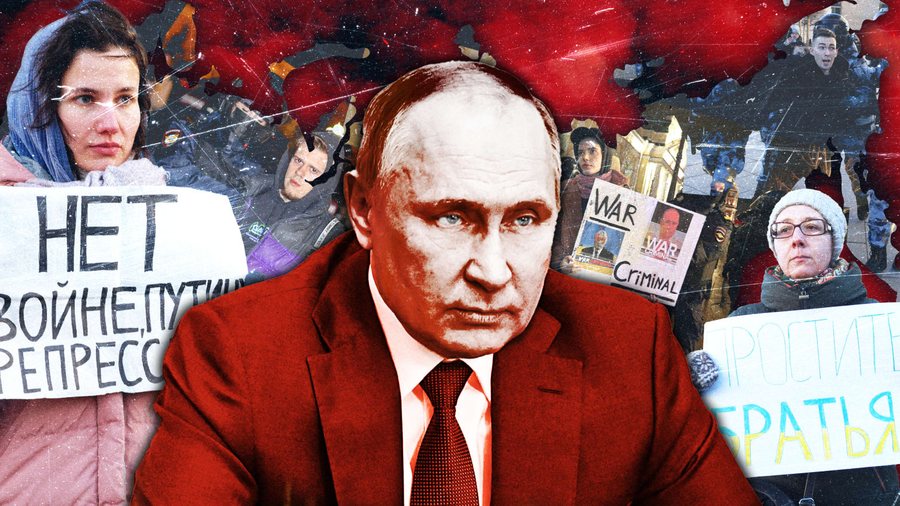
The recent attempted coup in Russia proved that no matter how much world leaders hate Vladimir Putin, they don't want the Russian president to be suddenly ousted...
Reactions to a warlord's failed coup showed how Western countries value Russia's internal stability more than the immediate fall of its autocratic leader.
The recent coup attempt in Russia proved that no matter how much world leaders hate Vladimir Putin, they don't want the Russian president to be suddenly overthrown.
The resulting volatility is not worth the risk. The possibility of post-Putin chaos in Russia is a key factor for many countries, from adversaries like the United States to Russia's partners like China.
It's a complicated calculation, especially for the United States. The Biden administration has taken many steps, including imposing economic sanctions, which may be weakening Putin in the wake of his war on Ukraine. But Washington has repeatedly insisted it does not support regime change in Russia, another nuclear power.
For now, the lack of a clear successor, or the possibility that a violent warlord like Prigozhin could take over, leaves too many uncomfortable variables to lay the groundwork for Putin's ouster, according to two current US officials.
"The United States has no interest in instability within Russia that has the potential to spill over into Europe. Regime change that occurs through a chaotic and violent process is also more likely to produce another authoritarian leader who could possibly be worse than Putin," said Andrea Kendall-Taylor, a former US intelligence official specializing in Russia and autocracy.
Two US officials who deal with Russia policy said the Biden administration considered questions about the stability of the Russian state as it crafted its response to last weekend's brief rebellion.
While it is rare for the United States to call for regime change in another country, the Biden administration also wants to be extra careful not to feed Putin's longstanding narrative that America is behind efforts to topple him.
As the rebellion unfolded, President Joe Biden and his aides kept their public comments limited and quiet. They referred to the crisis as an "internal matter" for Russia. European countries and other allies against Russia took similarly cautious approaches.
China - which has promised a "borderless" partnership with Putin's regime - remained silent as the crisis unfolded. Beijing then issued a statement that spoke in part to its concerns about avoiding chaos in a neighboring country.
The security of Russia's massive nuclear arsenal in the event of a Kremlin power struggle is a major concern of the international community. But so is the potential rekindling of frozen conflicts in countries like Moldova and Georgia. There are also concerns that a collapse of Putin's government could fuel separatist movements within Russia.
The current US preference to avoid direct demands for regime change comes as past US attempts to cheer or militarily assist coups resulted in violence and long-term failure, Egypt, Iraq and Afghanistan being examples.
There is a belief that apparent US support for a coup would undermine the credibility of grassroots efforts to topple a dictator. Plus, the ability of the United States or the West to predict or even lead such events is much more limited than many might believe.
In Putin's case, an open American call for his removal could push him deeper into Ukraine and increase repression there, although despite what the US says, the strongman has long believed that Washington is tries to push him away.
Në një moment jashtë skenarit në mars 2022, Biden tha për Putinin: " Për hir të Zotit, ky njeri nuk mund të qëndrojë në pushtet ". Shtëpia e Bardhë më pas iu desh të kalonte ditë të tëra duke këmbëngulur se Biden nuk po bënte vërtet thirrje për ndryshim regjimi.
Në vazhdën e rebelimit të ndërprerë, zëdhënësi i Këshillit të Sigurisë Kombëtare të Shtëpisë së Bardhë, John Kirby, ka thënë se Shtetet e Bashkuara besojnë se i takon popullit rus të përcaktojë se kush është lidershipi i tyre.
Qeveritë që kanë marrë një pozicion neutral në përplasjen Rusi-Perëndim për Ukrainën – si India, Brazili dhe Afrika e Jugut – kanë shmangur kryesisht komentet e drejtpërdrejta mbi rebelimin.
Udhëheqësi turk Rexhep Tajip Erdogan, i cili vetë hodhi poshtë një përpjekje për grusht shteti dhe është përpjekur të qëndrojë i përzemërt me Putinin, foli me liderin rus gjatë krizës së fundit dhe u theksua se askush nuk duhet të përfitojë nga ajo që ndodhi në Rusi.
Prigozhin ka këmbëngulur se Putini nuk ishte objektivi i rebelimit të tij Përkundrazi, ai donte të rrëzonte udhëheqjen e ministrisë ruse të mbrojtjes, me të cilën kishte grindje. Por Putin doli kundër marshimit të armatosur të Prigozhin. Dhe pas një revolte njëditore, Prigozhin u tërhoq dhe ra dakord të shkonte në mërgim në Bjellorusi për të shmangur akuzat për tradhti kundër tij dhe forcave të tij mercenare të Grupit Wagner.
Rusia, teorikisht, ka rregulla të trashëgimisë nëse Putini, le të themi, vdes natyrshëm ndërsa është në detyrë. Megjithatë, duke pasur parasysh se sa shumë sundimi i Putinit e ka shtrembëruar sistemin kushtetues rus, është e mundur që njerëzit që konkurrojnë për ta trashëguar atë do të injorojnë rregulla të tilla.
Thënë kështu, përveç liderëve të opozitës të internuar apo të burgosur , nuk ka figura serioze që e stilojnë veten hapur si alternativë ndaj Putinit në Rusi tani për tani.
Ndërkohë Putini tani pritet të konsolidojë pushtetin e tij edhe më tej, qoftë edhe vetëm për të provuar se është i vendosur në krye. Disa analistë argumentojnë se ai përfundimisht mund të dalë më i fortë . Të tjerë thonë se revolta e mercenarëve është fillimi i fundit për Putinin.
Either way, some foreign affairs practitioners, including former British Prime Minister Liz Truss, are urging the world to better prepare for a possible Russian breakup state./ Adapted "Pamphlet" from "Politico "


Lini një Përgjigje