


 Shkruar nga Pamfleti
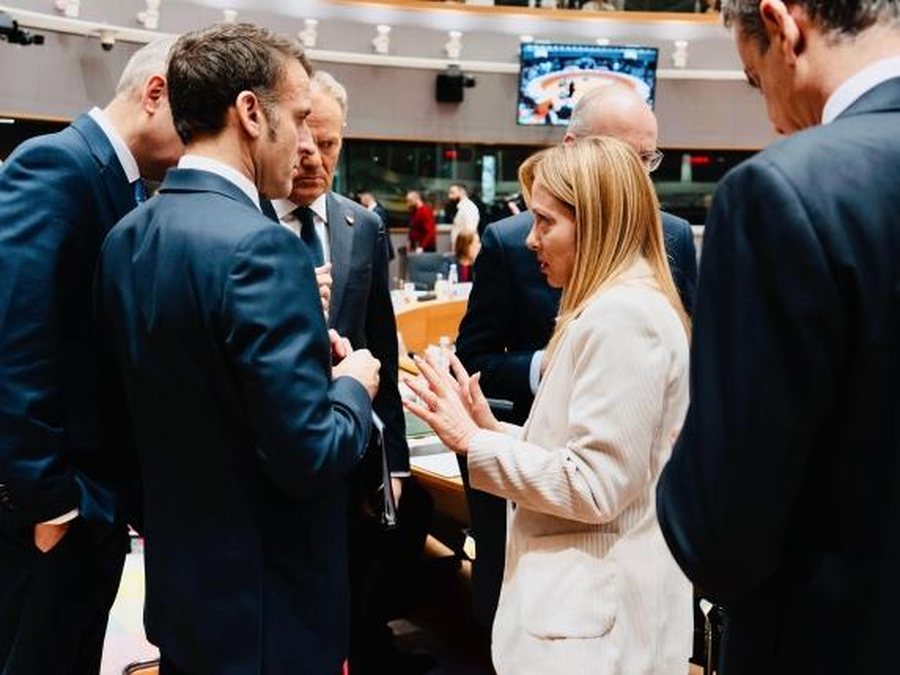
Meloni and the 19 hours of negotiations in Brussels: the double victory, the care of Merz and the 'alliance' with the Belgian Prime Minister
At 4:00 a.m., after a 19-hour marathon of discussions in Brussels, many of them without mobile phones, at the tables where leaders decided the fate of European politics, Giorgia Meloni appeared before reporters under the “Lantern” for a few brief statements. No triumphant tone, no excessive show. But a slight smile betrayed satisfaction: “reason has triumphed,” she said. It was a clever way of saying she had won, without saying it out loud.
And in fact, she was the silent winner of this summit. Italy – Germany: 2 to 0. Meloni managed to block two important objectives of Berlin: the trade agreement with the Mercosur countries and the decision to use frozen Russian assets to finance aid to Ukraine.
Germany, through Merz's CDU and Commission President Ursula von der Leyen, insisted that the agreement with Latin America not be postponed and that 210 billion euros of Russian assets be put at the service of Ukraine. But the opposite happened.
Although clear in its diplomatic success, Meloni's line is: we have won, we do not need to overdo it. No attack on Berlin. Fratelli d'Italia deputies praised the Italian position, but without mentioning Germany, which remains a strategic partner in the EU. Two losses for Berlin, which were clearly highlighted in the Belgian media, but which Rome chose to pass over in silence, three days before the leaders' dinner at the German Chancellery.
Meloni preserves Coldiretti and avoids clash with the League
With the Mercosur blockade, Meloni faced the revolt of Italian farmers, who protested in Brussels. Coldiretti remains an important electoral nucleus for the Italian government, and Minister Francesco Lollobrigida knows this very well. Through a phone call with Brazilian President Lula, which disrupted the signing agenda that Von der Leyen was expecting, Meloni strengthened the direct link and stopped alternative narratives.
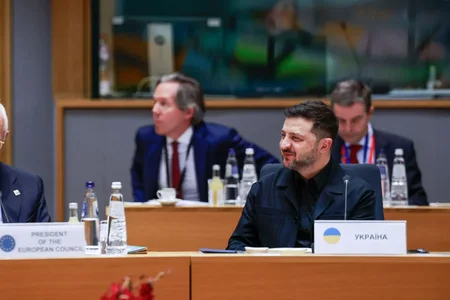
Behind the scenes, another diplomatic card was played: an unusual alliance with Belgian Prime Minister Bart De Wever, who blocked the use of Russian assets. Meloni supported him in this line, along with several other countries such as Italy, Bulgaria, Malta and the Czech Republic, which resisted all night. Meanwhile, Orban and Fico worked behind the scenes to sabotage any scenario that could irritate Moscow.
EU diplomatic sources told Politico that Meloni did not speak at all during the first half of the summit, a deliberate strategy. But in the end, the deal was reached. She did not speak, but she won.
A loan of 90 billion euros was approved, a compromise that does not risk tensions with the League, as the decision is not expected to pass in Parliament. Another "silent" achievement for Meloni, who knew how to navigate between European interests and domestic accounts. /Adapted from "Corriere Della Sera"




Lini një Përgjigje