


 Shkruar nga Pamfleti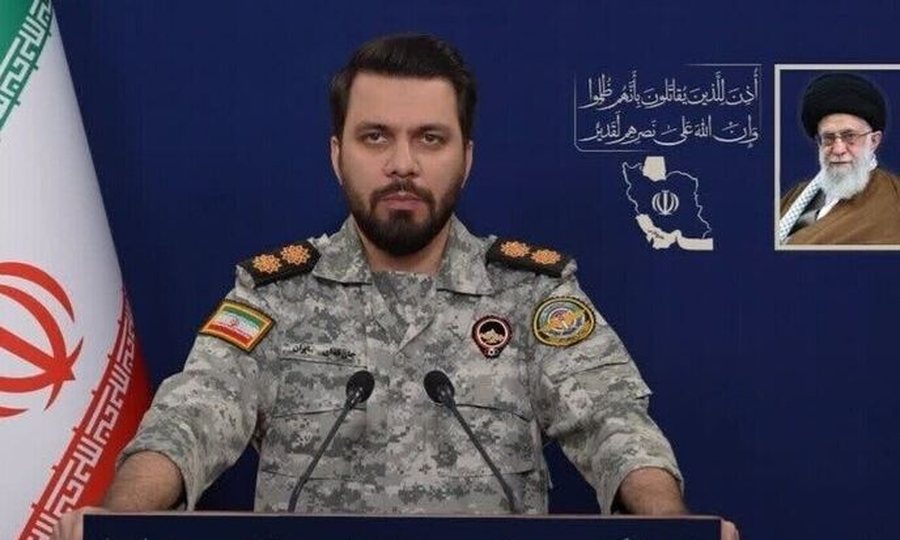
Tensions rise after seizure of Iranian ship; uncertainty over future of US-Iran negotiations
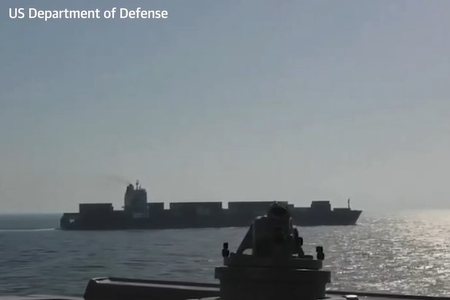
In a climate of complete uncertainty over the future of negotiations between the United States and Iran, following the seizure of an Iranian-flagged ship by American authorities, Tehran is warning of retaliatory measures in various forms.
An Iranian parliament member declared that Iranian ships are not obliged to respect the naval blockade imposed by the US, describing it as "worthless".
"From our perspective, this blockade is worthless and we do not consider ourselves bound by it. For this reason, our ships pass through and ignore this blockade," Mohammadreza Mohseni Sani told the Iranian news website Didban Iran.
The member of the parliamentary committee on National Security and Foreign Policy also referred to the Islamic principle of reciprocity, stating: "we will apply Qisas to any American we capture."
He added that he is not optimistic about reaching any agreement with the United States and accused Washington of violating the ceasefire.
What is Qisas?
Qisas is a legal term in Islamic law that means “retaliation” or “proportionate punishment,” similar to the biblical principle of “an eye for an eye.” It applies in cases of murder or physical injury and gives the victim’s closest relatives the right to seek the execution of the perpetrator, or to choose financial compensation (diyah) or forgiveness.
Other statements about retaliatory measures
The Iranian Joint Military Command "Khatam ul Anbiya" stated that retaliatory measures will follow for the latest attack on the Iranian ship, which it described as an act of piracy by the US.
These developments constitute another indication of the escalation of the situation. Both sides appear to be trying to keep the possibility of diplomatic dialogue open, while at the same time using harsh rhetoric that increases the risk of a new cycle of clashes.
Three key elements of the situation
First, there is uncertainty regarding the positions and statements coming from both sides. There is no clear and consistent position, due to the fragile and sensitive nature of the situation.
Second, time is a critical factor, as the end of the declared ceasefire period approaches, increasing the possibility of a new escalation.
Third, the situation is characterized by the complexity of the issues at stake, including regional security, Iran's strategic role in the Strait of Hormuz, and the numerous points of disagreement that prevent the achievement of a diplomatic solution between the two countries.




Lini një Përgjigje