


 Shkruar nga Pamfleti
A document presented by influential figures close to Putin predicts the invasion of Ukraine, the collapse of the European Union and the rise of Russia as a Eurasian superpower after the use of nuclear weapons.
“Russia’s latest nuclear provocations show that the still-young debate on Europe’s role in nuclear deterrence can no longer remain purely conceptual ,” write Aylin Matle and Andras Racz, from the German Association for Foreign Policy (DGAP). For the two authors, these constitute “clear signals from Moscow to Ukraine and the West that the Kremlin is prepared to use nuclear weapons if it feels seriously threatened.”
Their analysis is based on several developments: increased weapons testing in May, public speeches by the Russian elite, and a published congratulatory message from the Kremlin, in which Vladimir Putin addresses one of his generals. According to Matle and Racz, NATO and the European Union should be on alert, the danger comes from both Putin and US President Donald Trump.
In his message to the commander of the Strategic Missile Forces after the tests, Putin praised in detail the superiority of Russian nuclear capabilities over Western ones, the authors write.
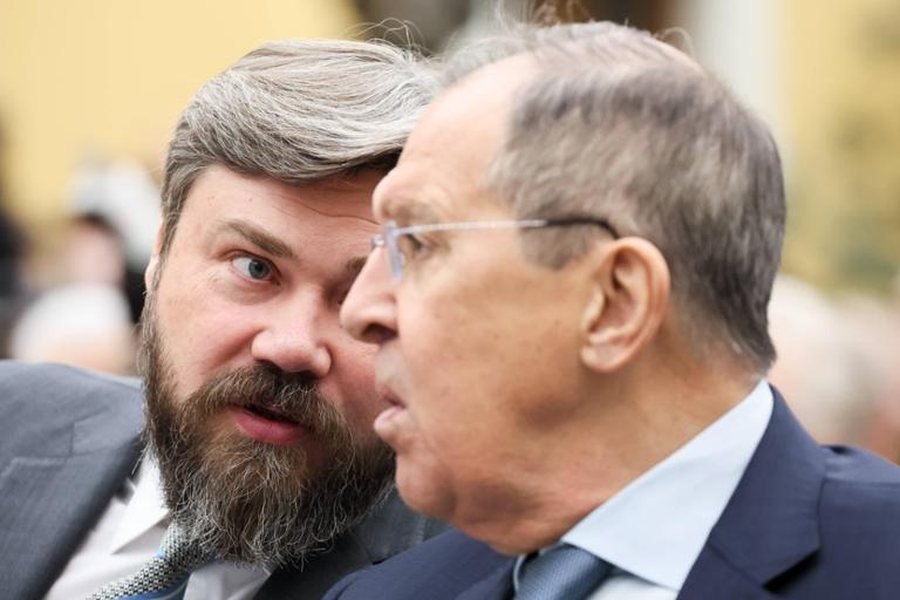
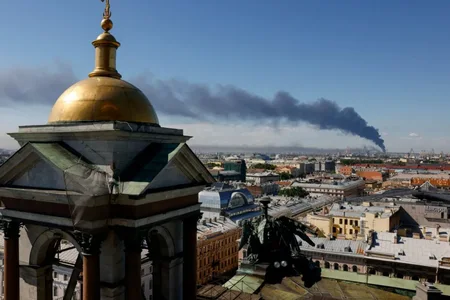
“We are doing everything we can” is also the motto of one of the three current scenarios with which the Russian elite sees the country’s future. These scenarios were presented at the International Economic Forum in St. Petersburg by Konstantin Malofeyev. The influential Russian oligarch, former investment banker and now owner of an ultraconservative television channel, includes in this “everything we can” even a nuclear attack on Western alliances. About a year ago he gave a shocking interview to the German newspaper Die Zeit.
“It would be better if the European Union died,” he declared at the time. A stance he seems to still hold today. According to him, only one scenario ends positively for Russia: one that involves a nuclear attack on Europe.
A less belligerent scenario, called the "inertia scenario," according to Meduza magazine, would maintain the dominance of the United States and China, while Russia would continue to live in existential fear.
In the worst-case scenario, Russia would lose the war in Ukraine. Ukraine would join Western alliances, a military bloc would be created on the basis of the European Union, and, ultimately, Russia would be “colonized” and “completely lose its sovereignty,” Meduza writes.
All three scenarios take place in the period 2036–2050.
Skenari në të cilin Rusia triumfon parashikon që Rusia të përdorë armë bërthamore në vitin 2036, të pushtojë Kievin dhe Odesën dhe në fund të nënshtronte Ukrainën.
“Ose përmes aneksimit, shndërrimit në shtet tampon, ose përmes krijimit të një ‘shteti të ri sllav lindor’ në territorin e saj”, shkruan Meduza. Më pas Bashkimi Evropian do të shpërbëhej.
Në vitin 2050, Rusia do të ishte në gjendje të garantonte “sigurinë dhe drejtësinë globale”, sipas Malofejevit.
Rusia e re do të formonte një qendër euroaziatike fuqie mbi bazën e “Trinisë së popullit rus”, një treshe e përbërë nga presidenti Vladimir Putin si sovran laik, aktivisti ortodoks-nacionalist Kirill Frolov dhe ushtria: autokraci, ortodoksi dhe kombësi. Përveç Malofejevit, si autorë të këtij vizioni përmenden edhe Aleksandër Dugin, filozof i konsideruar i ekstremit të djathtë, dhe guvernatori i Vologdës, Georgi Filimonov.
“90 sekonda para mesnatës”
Komiteti i Shkencës dhe Sigurisë i revistës amerikane Bulletin of the Atomic Scientists paralajmëroi që dy vjet më parë se bota ndodhet ende “90 sekonda para mesnatës”.
Komiteti “i lë të pandryshuara akrepat e Orës së Fundit të Botës, pasi tendencat ogurzeza vazhdojnë ta shtyjnë botën drejt një katastrofe globale”, thuhet në deklaratën e tij.
Autorët Hans Kristensen dhe Matt Korda vlerësojnë se Rusia ndodhet në “fazën përfundimtare të një modernizimi disa dekadash të forcave të saj strategjike dhe jostrategjike bërthamore”, duke zëvendësuar armët e epokës sovjetike me sisteme më moderne. Kjo përputhet edhe me stërvitjet që Rusia zhvilloi gjatë muajit maj. Si veçanërisht domethënës dhe serioz ata konsiderojnë një fjalim të Putinit në fund të vitit 2020.
Putin shtyn Rusinë drejt një gare të re armatimesh
“Është absolutisht e papranueshme të rrimë duarkryq. Shpejtësia e ndryshimeve në të gjitha fushat që kanë rëndësi për forcat e armatosura është sot jashtëzakonisht e lartë. Nuk është thjesht e shpejtë si Formula 1, por supersonike. Mjafton të ndalesh për një sekondë dhe menjëherë mbetesh pas”, deklaroi Putin. Në të njëjtin fjalim ai shpalli atë që sot duket se përcakton veprimet ruse:
“Së pari, është e nevojshme të mbajmë armët tona bërthamore në gatishmëri të lartë luftarake dhe të vazhdojmë zhvillimin e të gjithë komponentëve të triadës bërthamore. Kjo është me rëndësi themelore për garantimin e sigurisë sonë kombëtare dhe ruajtjen e baraspeshës strategjike në botë”, deklaroi Vladimir Putin para drejtuesve të lartë të partisë dhe ushtrisë.
Matla dhe Racz kujtojnë testet e fundit të gatishmërisë së forcave bërthamore ruse, të zhvilluara më 19–21 maj, testet e dyta të këtij lloji vetëm gjatë atij muaji.
Megjithëse ata nuk shohin një kërcënim të menjëhershëm ushtarak, propagandisti i Kremlinit Konstantin Malofejev duket se mendon në terma afatgjatë, për një periudhë prej dhjetë vjetësh.
According to them, the current belligerent rhetoric constitutes a continuation of a threat that has existed almost since the beginning of Western support for Ukraine.
In fact, this rhetoric has continued for as long as the West has grown tired of the constant warnings of a destroyed Europe.
Trump's threat and Tomahawk missiles
However, the threat remains present, and it is possible that Russia's technical capabilities will increase over the next decade.
Even after a defeat in the Ukraine war, Russia could launch a new offensive. The Russian military may have learned lessons from the current experience.
History shows that from a catastrophic defeat an even more destructive war can arise.
Moreover, Konstantin Malofeyev continues to idealize the bipolarity of the Cold War and considers Europe irrelevant. At the end of 2025 he declared to Die Zeit: “because Russia and the USA are the only nations that can destroy the world with their weapons. If these two countries do not agree, it does not matter what other countries want.”
According to the authors, this is exactly what should wake up European countries, especially now that Donald Trump has decided not to proceed with the deployment of Tomahawk missiles in Germany.
Matle and Racz argue that this very conventional weaponry in the heart of Europe would have served as an important deterrent against Putin's ambitions. According to them, NATO could have threatened Russia's "nuclear support architecture," including strategic air bases and command centers. They add that Germany currently lacks the capabilities to adequately respond to the Russian missile threat.
However, the current rhetoric from St. Petersburg gives Western economic and military alliances about ten years to make up for their military disadvantage.
Even if Konstantin Malofeyev, like Dmitry Medvedev, may be considered by some as a propaganda figure with no direct political influence, the Russian elites and the country's political leadership should treat him as a concrete threat.
This is also emphasized by Jonas Schneider and Torben Arnold from the German institute Stiftung Wissenschaft und Politik (SWP): "more important than these military capabilities is the fact that Vladimir Putin has demonstrated politically that he is willing to accept high costs and risks to achieve his objectives through the use of force." /Adapted from Pamphlet by Fr.de/



Lini një Përgjigje