


 Shkruar nga Pamfleti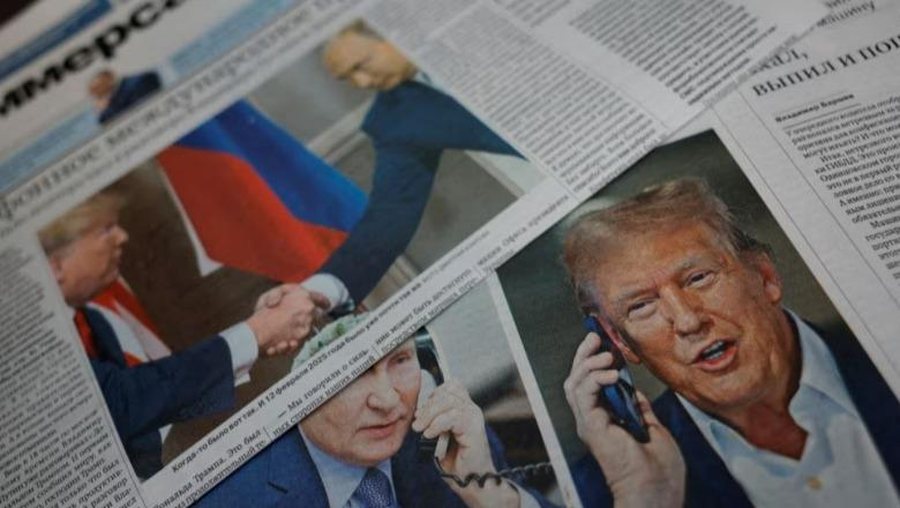
President Donald Trump is pushing for a peaceful resolution to Russia's now three-year-old full-scale war in Ukraine. VOA examined several different approaches recently put forward by think tanks aimed at achieving a lasting peace to the conflict.
Maximum pressure strategy
A plan by the Center for European Policy Analysis (CEPA), titled "How to Win: A Seven-Point Plan for Lasting Peace in Ukraine," calls for "a maximum pressure strategy to bring Russia to the negotiating table in good faith."
The plan proposes that the United States and its allies:
· "They should provide immediate material support to Ukraine without conditions, aiming to tire the Russian military and thereby improve Ukraine's negotiating position."
· "Sanctions should be increased on Russian financial institutions and energy sector entities, frozen Russian assets should be used to support the defense and reconstruction of Ukraine, and secondary sanctions should be imposed to intensify economic pressure not only on Russia, but also on the authoritarian regimes of China, Iran, and North Korea."
CEPA says that "Ukraine and Europe" should be engaged in peace talks with Russia, that the United States should support "a European-led coalition of the willing" to implement a "ceasefire line with an international force," and that "European allies should make sustained and as rapid progress as possible toward Ukraine's membership in the European Union."
One of the report's authors, Catherine Sendak, a senior fellow at CEPA for transatlantic defense and security, told Voice of America's Ukrainian service that the United States should enter into talks with Russia only by "providing Ukraine with the strongest possible tools" and using its toughest "diplomatic tools."
She added that the issue of Ukraine's possible NATO membership should not be included in talks with Russia. "Discussing this with a non-NATO country ... I don't think it's helpful for any negotiations," Ms. Sendak said, noting that it would give Russia "veto power, if you will, over ... the selection of members to join, or not, the alliance."
Negotiation tactics
Josh Rudolph, a fellow at the German Marshall Fund and head of the Transatlantic Democracy Working Group, worked on policies with Russia and Ukraine on the National Security Council during President Trump's first administration.
Last month, he offered policy recommendations to the current administration of President Trump on ending the conflict in Ukraine.
Among them:
"Approach [Russian President Vladimir] Putin from a position of strength. While Putin seemed tough and capable early in (President) Trump's first term, his mistake in Ukraine has left him in a weakened position. As the dominant partner in this relationship, (President) Trump, not Putin, can set the negotiating terms."
"Know when to walk away. A vital moment in the negotiations will come when Putin refuses to make major concessions. (President) Trump must be prepared to walk away."
“Combine sanctions with lower oil and gas prices. The best way to make Putin understand that pressure in Ukraine would spell disaster for his rule is to put financial pressure on Russia… By taking advantage of his warmer relations with Saudi Arabia compared to those of [former President Joe] Biden, (President) Trump should supply the fossil fuel market, which would make sanctions sustainable, cause shortages in the Russian war machine, and generate risks to political stability in Moscow.”
Rudolph also recommended “fully” arming Ukraine; giving it “all $300 billion of Russia’s frozen assets”; making Europe “pay more for weapons” and providing 100,000 troops as “peacekeepers”; allowing “American companies to rebuild Ukraine”; and inviting Ukraine to join NATO if Russian President Putin refuses to accept “reasonable” terms of a peace deal.
Rudolph told VOA that President Trump could convince those skeptical in the United States about continuing to arm Ukraine that doing so as part of a peace deal would benefit American workers.
"He can tell them, OK, now we have a good deal, it's secured by rare earths, it's ended the war, and to keep it in place, we're going to have to provide a continuity of supply of American-made weapons, which, by the way, create all these American jobs and facilities and factories in the states" governed by Republicans.
Seeking economic benefits
In a report titled “Dollars and Worldview: America’s Interest in a Ukrainian Victory,” Elaine McCusker, Frederick W. Kagan, and Richard Sims of the American Enterprise Institute examined the cost of ending support for Ukraine, concluding that it would lead to Ukraine’s defeat and Russia’s advance further into Europe, forcing the United States to increase its presence in Europe.
Among the report's conclusions:
"Supporting Ukraine in its victory against Russia is in the best interest of the United States."
"Një botë në të cilën Rusia mbizotëron do të ishte më e rrezikshme dhe më e shtrenjtë për Amerikën - duke kërkuar një rritje të vlerësuar prej 808 miliardë dollarësh në shpenzimet e mbrojtjes gjatë pesë viteve".
“Në të kundërt, një angazhim shumëkombësh i shtuar dhe i përshpejtuar ndaj Ukrainës dhe përfundimi i luftës në një afat të afërt do të rezultonte në një Ukrainë të gjallëruar dhe të lirë, me një ushtri të sapo-modernizuar dhe të sprovuar nga betejat dhe një bazë industriale të zhvilluar, e cila do të ndihmonte në stabilizimin e Evropës”.
Në një intervistë për Zërin e Amerikës, Frederick Kagan tha se një fitore ruse në Ukrainë do të ishte një fitore për Iranin, Kinën dhe Korenë e Veriut, duke inkurajuar tendencat aventuriere në rajonet e tyre përkatëse dhe do të lejonte Rusinë të rindërtonte ushtrinë e saj duke marrë burime shtesë njerëzore dhe materiale nga brenda Ukrainës.
Një marrje e Ukrainës nga Rusia do të dërgonte një valë refugjatësh në Evropë, duke destabilizuar më tej kontinentin, tha Kagan.
“Kanë kryer mizori mbi popullsinë ukrainase në zonat që pushtojnë. Do të prisja që kjo do të përkeqësohej sa më shumë që lëvizin rusët në perëndim dhe sa më shumë të lëvizin në zonat më të vështira tradicionale anti-ruse, pro-perëndimore të Ukrainës perëndimore. Tmerret do të jenë të papërshkrueshme”, parashikoi ai.
Ai tha se rritja e ndihmës për Ukrainën do ta kthente atë në një brez mbrojtës për paqen dhe sigurinë evropiane – një vend me një ushtri të sprovuar nga beteja dhe industri ushtarake në zhvillim të shpejtë – duke mundësuar kështu që Shtetet e Bashkuara të përqëndrohen në rajone të tjera.
Përqasja e rrugës së mesme
"Projekti 2025 i Tranzicionit Presidencial" i Fondacionit Heritage përfshin rekomandime politike në lidhje me luftën Rusi-Ukrainë.
Materiali vë në dukje se lëvizja konservatore amerikane është e ndarë mbi Ukrainën - njëra palë mbështet Kievin, tjetra favorizon largimin - dhe projekti ofroi një rrugë të mesme.
Ndër rekomandimet e Projektit 2025:
“Në lidhje me Ukrainën, përfshirja e vazhdueshme e SHBA-ve duhet të paguhet plotësisht; e kufizuar tek ndihma ushtarake (ndërsa aleatët evropianë trajtojnë nevojat ekonomike të Ukrainës); dhe të kenë një strategji të përcaktuar qartë të sigurisë kombëtare që nuk rrezikon jetët e amerikanëve”.
“Pavarësisht pikëpamjeve, të gjitha palët pajtohen se sulmi në Ukrainë (i urdhëruar) nga Putini është i padrejtë dhe se populli ukrainas ka të drejtë të mbrojë atdheun e tij. Konflikti ka dobësuar rëndë forcën ushtarake të Putinit dhe ka dhënë një shtysë për unitetin e NATO-s dhe rëndësinë e tij për vendet evropiane.
“Presidenti i ardhshëm konservator ka një mundësi që shfaqet një herë në një brez për të sjellë zgjidhje për tensionet e politikës së jashtme brenda lëvizjes dhe për të hartuar një rrugë të re përpara që njeh Kinën komuniste si kërcënimin përcaktues ndaj interesave amerikane në shekullin e 21-të”.
James Carafano, a national security expert at the Heritage Foundation and head of the defense and foreign policy team, told VOA that it is in the United States' interest to have a free and independent Ukraine that can defend itself.
“So the practical question is, can a united Europe defend itself, and the United States defend Europe, if Ukraine is invaded by Russia? Having made that clear - are we... better off with the Russians on the other side of Ukraine? And the answer is 'absolutely.'” / VOA



Lini një Përgjigje