


 Shkruar nga Pamfleti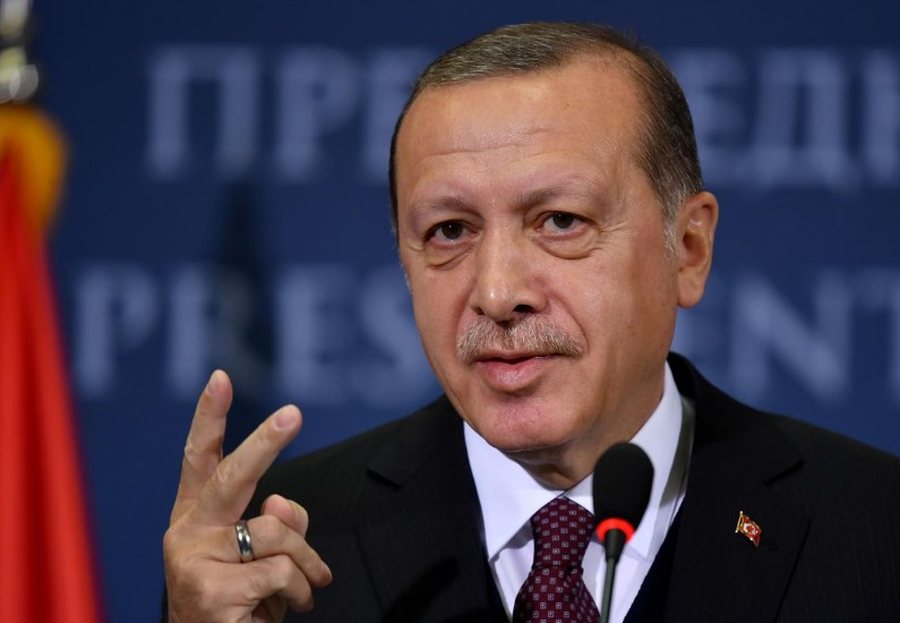
Turkey's economy has improved, but its foreign policy has become a real mess.
For many countries, a 10% decline in the dollar value of the currency in less than five months would be cause for alarm. For Turkey, this is nothing. After years of reckless lending and spending, the country's new economic team, appointed after President Recep Tayyip Erdogan's election victory in May, is putting things back together.
The central bank, which previously fueled inflation, has raised interest rates by 31.5 percentage points since June. Economic growth has slowed as a result, but the inflation forecast has improved. Prices in November were 62% higher than a year ago, but the monthly rate of inflation has been falling, from 9% in July and August to over 3% in recent months. The Turkish lira, which lost nearly 30% against the dollar in the first half of the year, continues to depreciate, but much more slowly.
Things have improved in other areas as well. Turkey's new interior minister, Ali Yerlikaya, has launched a belated crackdown on organized crime. The evening news regularly shows footage of police commandos breaking down doors and arresting suspected drug lords, arms dealers and human traffickers, many of them foreigners. Ironically, this has exposed Turkey's role as a magnet for crime syndicates from the Balkans to South America.
Although Turkey's economy has improved, its foreign policy has become a real mess.
Turkish democracy shows no signs of improvement. Many of Erdogan's political opponents are still in prison, particularly Kurds, journalists and civil society activists. But the economic reforms have won cautious praise abroad. This is how relations with Greece have improved, highlighted by Mr. Erdogan's visit to Athens on December 7. In a report in late November, the European Commission and the bloc's foreign policy chief recommended opening talks with Turkey on an improved customs union to replace the one created in 1995. EU leaders will discuss it during a two-day summit starting on December 14.
But the reformist current faces three major obstacles: Erdogan's strongman instincts, his pact with Turkey's nationalists, and his government's relations with Russia and Hamas.
Relations with America, which improved this summer after Turkey pledged to lift its veto on Sweden's NATO membership, are once again cold. Erdogan initially blocked Sweden's membership to pressure the country to go after Kurdish residents whom Turkey considers terrorists. He is doing this now to get an ironclad guarantee from America to sell Turkey 40 new f-16 fighter jets.
On December 6, Erdogan suggested that Turkey's parliament and the US Congress move together, with one assembly ratifying Sweden's NATO membership while the other signs the $20 billion f-16 deal, but the Americans seem uninterested.
Erdogan and his Justice and Development party may eventually realize they have nothing to gain by keeping Sweden on ice and put accession to a vote, possibly before Christmas. But they may also decide to keep moving the stakes, further eroding Turkey's standing in NATO and with America.
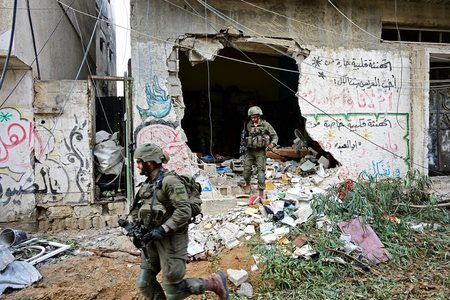
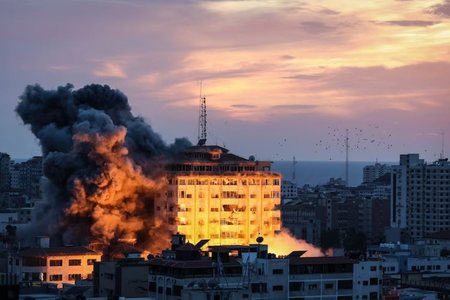
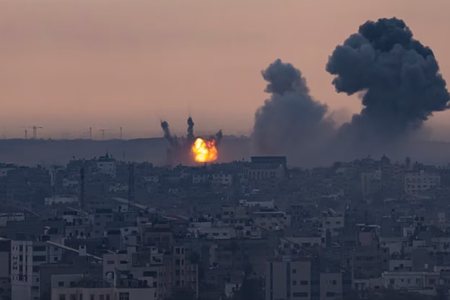
Bloodshed in the Middle East could further poison Turkey's relations with the West. Many Turks are seething over America's support for Israel's bombing of Gaza. Meanwhile, in much of Europe and America, Turkey's government has come under fire for its ties to Hamas. Brian Nelson, a senior US Treasury official who visited Istanbul last month, said he was "deeply concerned" about the group's ability to raise funds in Turkey. Erdogan stands by Hamas, which he calls a "liberation group" and not a terrorist organization. On December 6 he warned that Israel would "pay a very heavy price" if he tried to kill members of Hamas based in Turkey. A few months ago, a visit by Erdogan to the White House indicated a good relationship, but his embrace of Hamas has eliminated that.
The EU and America are also increasingly concerned about Turkey's business relations with Russia. Western officials have pleaded with Turkey to stop turning a blind eye to companies selling dual-use goods to Russia that can be used to make weapons. Exports of such products, mainly through intermediaries in the Caucasus and Central Asia, rose to $158 million in the first nine months of 2023, compared with an average of $28 million before Russia's invasion of Ukraine.
Turkey's economy is not out of danger yet, but it is on the right track. After a long hiatus, foreign portfolio investors are starting to make a comeback. But long-term investors will not return as long as Erdogan raises new problems with the West. Politics in Turkey must follow the direction of the economy./Adapted "Pamphlet" from "The Economist"



Lini një Përgjigje