


 Shkruar nga Pamfleti
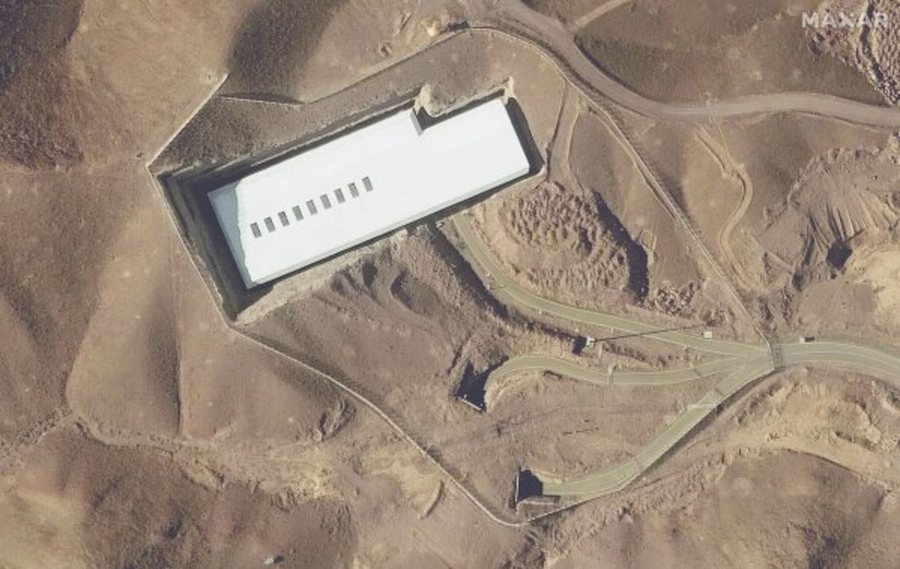
If the Iranian nuclear facility were to be damaged or destroyed by a US attack, it would likely lead to a limited release of radiation in the immediate area, but would not have the same catastrophic consequences as bombing a nuclear reactor.
Kelsey Davenport, Director for Nonproliferation Policy at the Arms Control Association, said that if the bombs were able to penetrate Fordow, it would likely lead to limited radiation from the enriched uranium stored at the facility, but it is unlikely to cause significant and widespread environmental health contamination.
She explained that an attack on a site where uranium hexafluoride gas is stored - the material that goes into the facility's centrifuges - would create "chemical toxicities" and low-level alpha radiation, which would likely be localized to that site.
Davenport said it would likely be manageable if people wear the proper protective equipment. Behnam Ben Taleblu, senior director of the Iran program and a senior fellow at the Foundation for Defense of Democracies (FDD), also described the potential harm as a chemical hazard.
" There's no major risk of radiation spreading at Fordow because the enriched uranium is fresh. It would be localized around the site, and since it's also buried underground, I don't know how much of it would be released. Bombing a reactor is a whole other ballgame ," explained Scott Roecker, Vice President for Nuclear Materials Safety at NTI.
Davenport said he believes it is "extremely unlikely" that Israel would bomb a nuclear reactor, an action that "would be a clear violation of international law."
" You risk a reactor meltdown, widespread radiation and environmental contamination, devastating for the region," she said.








Lini një Përgjigje