


 Shkruar nga Jan Puhl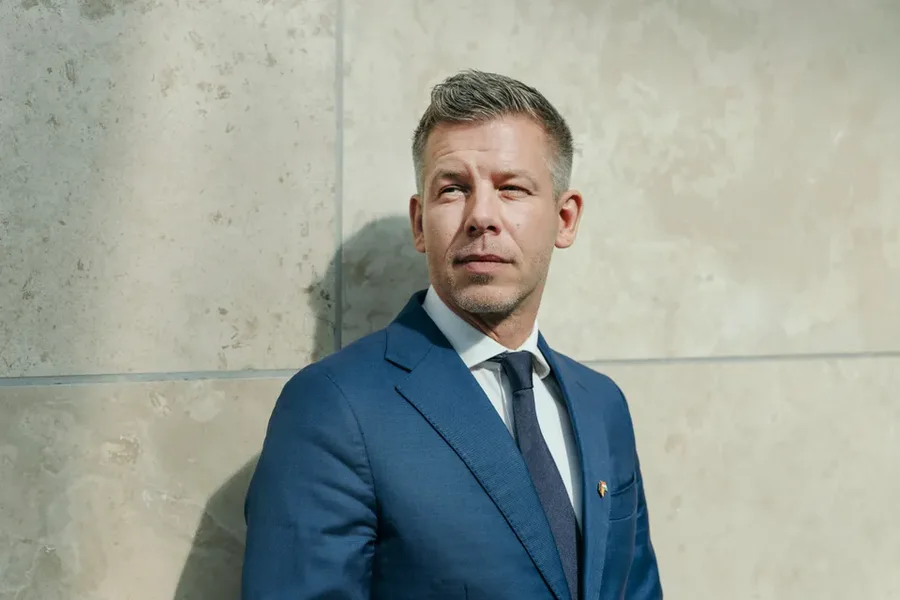
After 16 years under Viktor Orbán, many believed that democracy in Hungary was dead. But Péter Magyar challenged the system from within and achieved a historic victory. In this interview, the new Hungarian prime minister talks about the regime's overthrow, dealing with its legacy, and the country's new direction.
Péter Magyar, born in 1981, was part of Viktor Orbán's power apparatus until two years ago. He was even married to Orbán's justice minister. He then broke away from the long-time ruler and launched a nationwide campaign.
In the April 12 elections, he and his Tisza party won convincingly. Hungarians rewarded his stance against corruption and arbitrary rule with a parliamentary majority of more than two-thirds. In this interview, Hungarian Prime Minister Péter Magyar says that to gain voters' trust, you have to go to them, look them in the eye and listen to them.
-You started your journey two years ago as an unknown political figure and now you have managed to defeat Viktor Orbán, the longest-serving leader in the EU, a leader who destroyed democracy in his country. Was there a single moment when you thought: This could work?
In fact, I had no intention of entering politics. I was once a member of Orbán's Fidesz party, but then I broke away from the system. In February 2024, I gave an interview to the online media outlet Partizán.
It was seen by almost 3 million people, which really surprised me. A month later I organized a protest against corruption and cronyism. 50,000 people came. Three weeks later there were 200,000. Maybe that was the moment.
-Yet Orbán's people controlled most of the media and the state apparatus...
I have always been very skeptical about whether it was possible to win against such a regime, especially with a majority like the one we achieved. But I only became truly optimistic in the second half of 2025.
-How do you explain that after 16 years the climate suddenly changed against the system?
The reasons are many. Hungarians are very patient, but they love freedom. There were a lot of lies, a lot of corruption, a lot of propaganda. And after so many years, we emerged, a force outside the system, who sincerely wanted to win and who said: We will work with honesty and transparency, we will protect our citizens.
-Orbán won the previous elections with very polarizing slogans against Brussels or immigrants. Most recently, he also mentioned an alleged threat from Ukraine. Why did voters no longer believe these narratives?
People get used to constant propaganda and eventually understand. Propaganda only works when it contains a grain of truth. We managed to show that Orbán's claims had no basis in reality.
Fundi i një regjimi vjen kur njerëzit nuk kanë më frikë prej tij, madje kur fillojnë të qeshin me të. Pikërisht kjo ndodhi edhe në Hungari. Motoja ime që në fillim ishte: “Mos kini frikë!”. Edhe dy vjet më parë thosha se pushteti i Orbánit dukej shumë më i fortë sesa ishte në të vërtetë.
-Çfarë mësimesh mund të nxjerrin demokratët në vende të tjera nga suksesi juaj në përballjen me autokratët?
Nuk besoj se ekziston një recetë universale. Ne thjesht punuam me ndershmëri dhe shumë përkushtim. Politika ka të bëjë me njerëzit. Që votuesit të të besojnë, duhet të shkosh tek ata, t’i shikosh në sy dhe t’i dëgjosh.
Gjatë fushatës vizitova mbi 700 qytete e fshatra. Në disa vende shkova 5 ose 6 herë. Isha më shumë në rrugë sesa në shtëpi. Të tjerët menduan se mjaftonin rrjetet sociale dhe televizioni. Por kjo nuk është e mjaftueshme.
-Si po reagon tani aparati i pushtetit i poshtëruar? Orbán në thelb e kishte kapur shtetin; besnikët e tij ndodhen në çdo hallkë të pushtetit...
Vendi ynë ishte një shtet i marrë peng. Ka ende shumë besnikë të tij në sistem. Për shembull në Këshillin e Mediave. Por edhe presidenti i Gjykatës së Lartë dhe prokurori i përgjithshëm janë njerëz të Orbánit. Pra sigurisht që kemi hasur rezistencë.
Por këtë e prisnim. Këta njerëz duhet të largohen. Ata e tradhtuan shtetin e së drejtës, demokracinë dhe popullin hungarez. Askush prej tyre nuk reagoi kur gjyqtarë, gazetarë, artistë apo qytetarë të thjeshtë u fyen dhe ndaj tyre u shpif.
As kur Orbáni i quajti kritikët e sistemit “parazitë” që duhej të shtypeshin. Njerëzit nuk votuan për një ndryshim të thjeshtë qeverie, por për një ndryshim sistemi.
-Ju keni kërkuar që një sërë figurash të fuqishme besnike të Orbánit të japin dorëheqjen vullnetarisht, madje edhe presidenti Tamás Sulyok…
U përpoqëm të ishim shumë korrektë. Ai mund të largohej me dinjitet. Nuk e bëri këtë, me gjasë nën presionin e Orbánit. Ata po përpiqen të pengojnë ndryshimin e sistemit, ndoshta për të mos lejuar zbardhjen e krimeve: mashtrime dhe përvetësime me vlerë miliardash. Është ironike të shohësh ata që për 16 vjet dobësuan shtetin e së drejtës, tani të pretendojnë se po e mbrojnë atë. Ne kemi një shumicë të paprecedentë, mbi dy të tretat, dhe mund të ndryshojmë kushtetutën. Populli na votoi për të bërë një shkëputje të plotë nga e kaluara. Na duhen njerëz dhe rregulla të reja, si dhe rikthimi i balancave dhe kontrollit institucional.
-A ekziston rreziku që, me një shumicë kaq të madhe, të bini në tundimin e qeverisjes autoritare?
Unë kam propozuar kufizimin e mandatit të kryeministrit në tetë vjet dhe kjo vlen edhe për mua. Do të ndërmarrim hapa të tjerë për të parandaluar abuzimet me pushtetin si ato të 16 viteve të fundit.
-A keni frikë se do të vazhdojë polarizimi i shoqërisë?
We want to reunite the nation. It was not a battle of “Hungarian against Hungarian”, but of Orbán’s system against the people. We must face the past, but those responsible must first apologize and be held accountable. Orbán has not done this either.
He is not participating in parliament. He does not want confrontation with the people. When the public campaign of hatred and propaganda ends, it will be easier to unite. I hope that in October we will celebrate the 70th anniversary of the 1956 Revolution in a more united country.
-Orbán has been criticized for his pro-Russian policies. Will Hungary support sending aid to Kiev?
We want good relations with all neighboring countries. There are Hungarian minorities in every neighboring country. Over 100 thousand Hungarians live in Ukraine alone. For example, they are not allowed to use their language in the administration or kindergartens.
We are in negotiations on this issue. If the protection of minorities is guaranteed, and I am optimistic, I will meet with President Volodymyr Zelensky and we will open a new chapter with Ukraine. But we will not send weapons or troops.
-Will you support the EU sanctions packages against Russia?
If there is consensus in the European Union, we will certainly support the sanctions. As Orbán ultimately did, despite his domestic rhetoric./ Adapted from "Pamfleti" by "Der Spiegel"


Lini një Përgjigje